Iron-air batteries could redefine AI data center power—but at what cost?
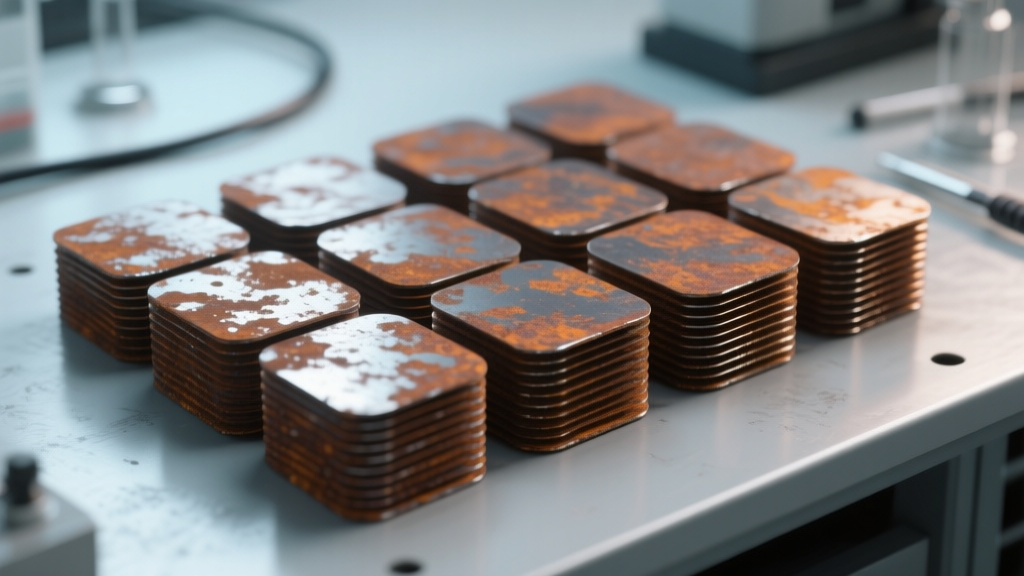
A single Form Energy iron-air battery module, with rust-based cells visible through a transparent casing, set against a neutral grey background, with📷 Photo by Tech&Space
- ★12GWh iron-air battery deal targets AI’s energy hunger
- ★Multi-day storage vs. lithium’s limits for data centers
- ★Crusoe bets on Form Energy’s tech for AI workloads
AI data centers don’t just need power—they need predictable power. A 12GWh supply agreement between Form Energy and AI infrastructure developer Crusoe is the largest known deployment of iron-air batteries to date, targeting a problem lithium-ion can’t solve: multi-day storage without degradation. Unlike lithium’s 4–8 hour sweet spot, Form’s rust-based tech promises 100+ hours of discharge, a critical edge for AI workloads that can’t afford grid fluctuations or blackout risks.
The math is brutal. Training a single large language model can spike a data center’s power draw by 20–30x for days. Lithium-ion banks would require prohibitive overbuilding to handle such surges, while iron-air’s lower energy density becomes irrelevant when the priority is duration, not portability. Crusoe’s bet hinges on one assumption: that AI’s energy curves will only get more volatile, and the grid won’t keep up.
Yet the deal’s silence on timelines and costs is telling. Form’s pilot projects in Minnesota and Georgia have faced delays, and iron-air’s round-trip efficiency (~50%) lags behind lithium’s 90%+. For Crusoe, the tradeoff may be worth it—but only if the alternative is curtailing AI operations during peak demand.
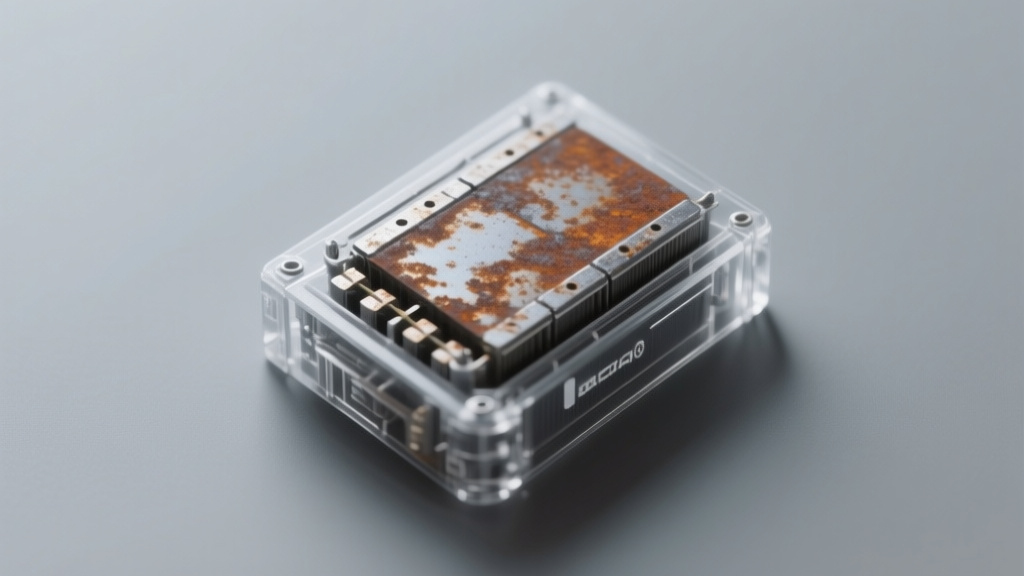
A photorealistic 3D render macro shot of the rust-colored iron-air battery electrode plates, stacked like thin metallic wafers on a lab workbench.📷 Photo by Tech&Space
The real-world gap between battery specs and AI’s relentless uptime demands
The broader industry is watching for cracks in the economics. Iron-air’s upfront costs are higher, but its 20-year lifespan with minimal degradation could flip the TCO equation for always-on AI infrastructure. Competitors like ESS Inc. (flow batteries) and Ambri (liquid metal) are racing to prove similar long-duration claims, yet none have locked a deal this large. The real test isn’t just technical—it’s whether Crusoe’s customers will accept the premium for resilience over raw efficiency.
Regulators are the wild card. AI data centers are already facing moratoriums in power-strapped regions. If Form’s batteries let Crusoe sidestep grid constraints, it could set a precedent for how hyperscalers negotiate with utilities. But if deployment lags or performance falters, the industry may double down on lithium + diesel backup—the devil it knows.
For now, the deal is a calculated gamble on a simple idea: AI’s energy problem isn’t about how much power, but when it’s available. Iron-air’s value proposition collapses if grid storage improves faster than AI’s hunger grows.