Ukraine’s drones: Can they outfly DJI without China’s chips?
Ukraine’s drones: Can they outfly DJI without China’s chips?📷 Published: Mar 22, 2026 at 12:00 UTC
- ★The Pentagon wants drones without Chinese dependency
- ★Specs are not the same as logistics
- ★The real battle is fleet maintenance

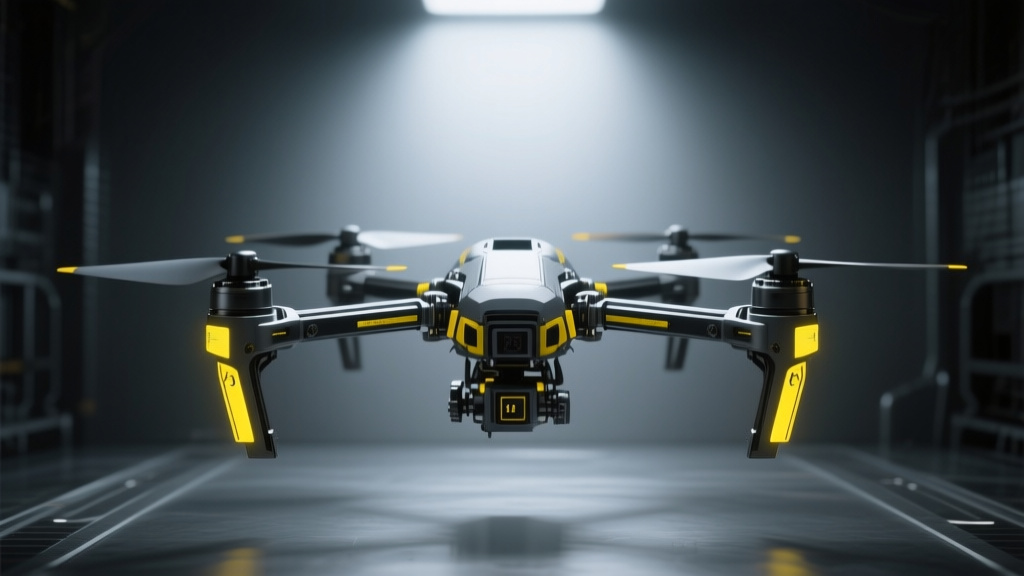
The Pentagon’s pick of Ukrainian drones is less about an exotic supplier and more about whether military hardware can survive without Chinese components in its supply chain. TechRadar and Army Recognition frame the Shrike 10 Fiber and F10 as winners in a program that wants a non-Chinese option. That is a political signal, but it is also a very practical test of procurement, maintenance, and logistics.
On paper, the specs sound solid enough. The Shrike 10 Fiber looks like a serious fixed-wing package, but a drone is not purchased because it flies once in a controlled test. In military robotics, the real value only appears when the system can be produced, serviced, and returned to the field without drama. DJI’s enterprise ecosystem exists because hardware is only part of the story; the rest is service, software, and a supply chain that actually holds together.
The phrase “non-Chinese” is also not the same as “problem-free.” The NDAA already closed the federal door on DJI, but the real risks in drones often come from software, not only from chips. RAND has long argued that drone security depends on the flight stack, the links, and the operating habits as much as on the hardware itself. If the Ukrainian systems rely on open-source or hybrid software, the real question becomes how well they hold up once data, interference, and wartime logistics all hit the same platform.
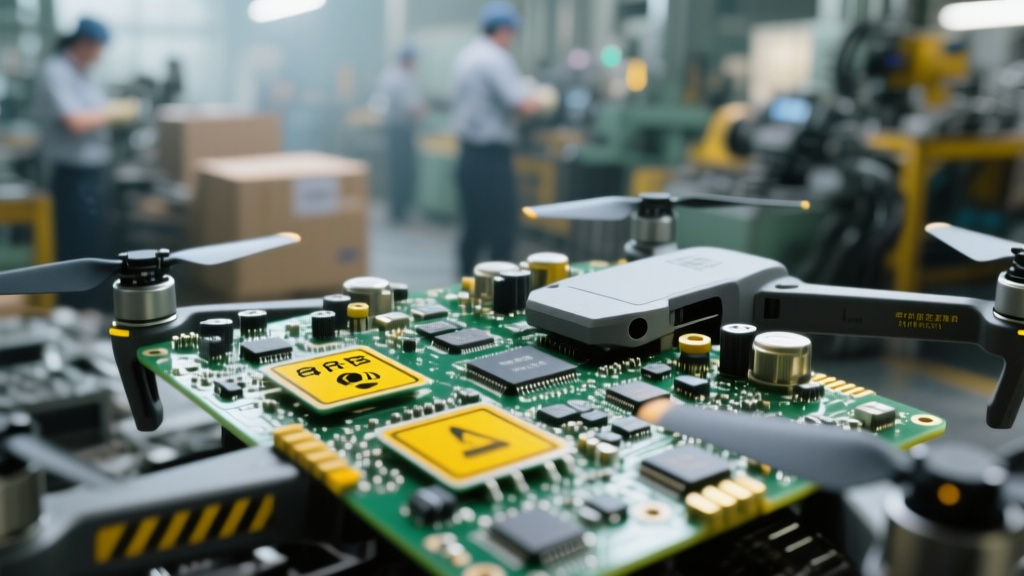
A non-Chinese label is not the same as a reliable system📷 Published: Mar 22, 2026 at 12:00 UTC
A non-Chinese label is not the same as a reliable system
The most realistic near-term use case is not a wholesale replacement for DJI across the board. It is targeted deployment where Chinese components are politically or operationally unacceptable: special operations, critical infrastructure inspections, and counter-drone scenarios where supply assurance matters more than absolute price. But even there, the support question remains: who repairs the fleet, how quickly do spare parts arrive, and what happens when the manufacturer is thousands of kilometers away?
That is why this story is much less glamorous than geopolitics and much more important. The winner will not be the one with the best PDF or the loudest slogan, but the one that can keep drones flying after the hundredth unit. That is the real difference between a political decision and an operational product, and military procurement is full of moments where that difference is noticed too late.