Roadrunner Robot📷 Published: Mar 28, 2026 at 24:10 UTC
- ★Wheels and legs solve different terrain
- ★The demo hides durability and service
- ★Deployment needs more than clever mechanics

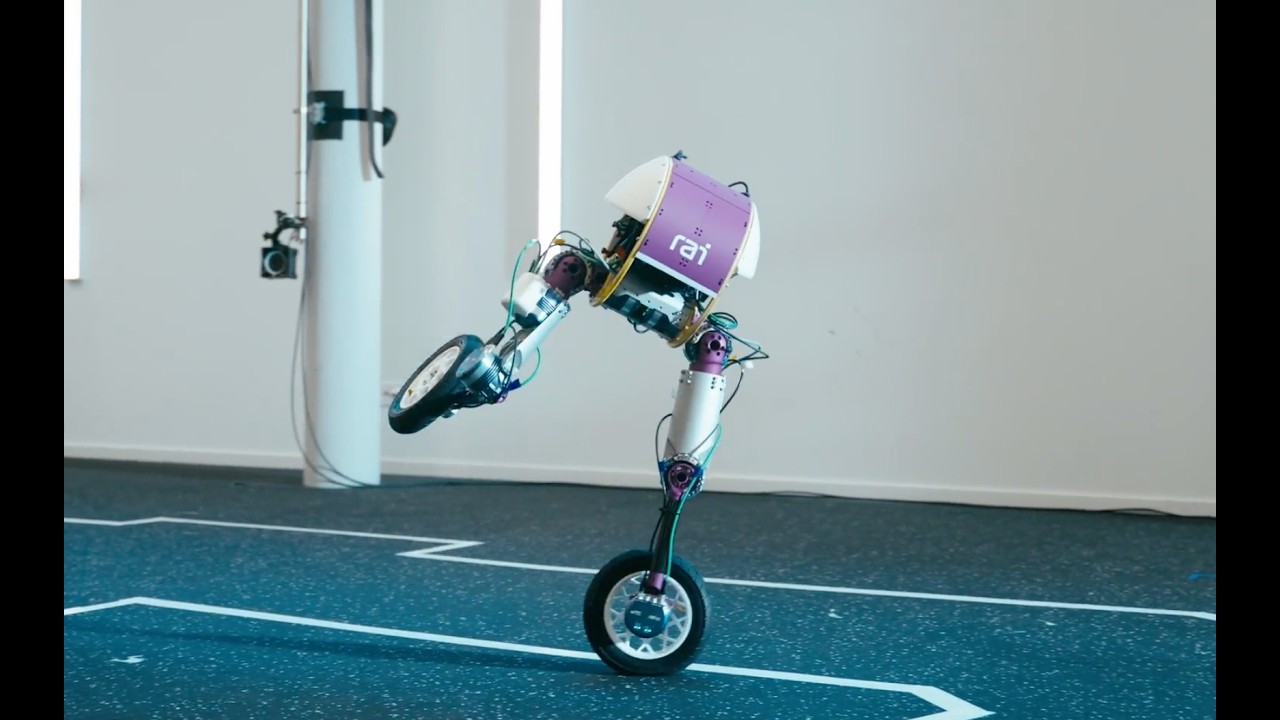
Roadrunner is interesting because it tries to combine two movement logics in one machine: wheels for speed and legs for obstacles. That is useful when a robot has to leave the lab and move through spaces that are not perfectly flat, predictable, or clean. In that sense, the concept makes sense because one kind of mobility rarely covers every case.
But a demo is not the same as a working tool. The video shows how convincingly the platform can look in a controlled setting, but it says nothing about energy use, service intervals, or how sensitive it is to small balance errors. Those are the things that usually decide whether a robot ends up in a pilot or in a production system, not how good it looks on flat ground.
The RAI Institute should be clearer about the real limits: payload, autonomy, and how quickly the platform can switch movement modes. RAI Institute and IEEE Spectrum can sell the idea, but industry will only care about what happens after the first thousand cycles. If Roadrunner wants to be more than an interesting wheel-leg hybrid, it needs to show that the hybrid design solves more problems than it creates.

Hybrid mobility is only the first step📷 Published: Mar 28, 2026 at 24:10 UTC
Hybrid mobility is only the first step
The biggest challenge is reliability. Hybrid systems are almost always more complex than single-function ones, which means more joints, more sensors, and more places for something to fail. If the robot has to survive a warehouse, the better score will come from hours without intervention, not from motion aesthetics.
That is why these projects are often shown in video form and less often with numbers. Real deployment needs maintenance intervals, replacement parts, dust tolerance, and behavior under stress. Without that, Roadrunner is still an interesting demonstrator, but not yet a platform.