Google and Intel’s AI chip pact: A CPU lifeline or a real shift?
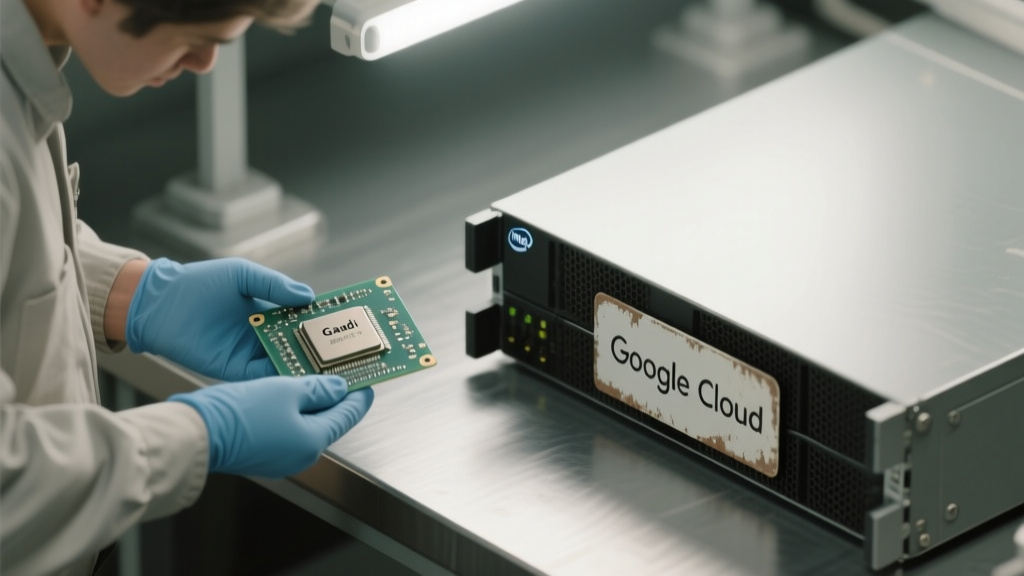
Google and Intel’s AI chip pact: A CPU lifeline or a real shift?📷 Published: Apr 10, 2026 at 04:33 UTC
- ★Custom chips target AI infrastructure
- ★CPU shortage drives demand surge
- ★Google may reduce NVIDIA reliance
Google and Intel have officially deepened their collaboration, announcing plans to co-develop custom chips tailored for AI infrastructure TechCrunch. The timing is no accident: the global CPU shortage has left cloud providers scrambling for processing power, and AI workloads are pushing demand to new heights. According to available information, the custom chips are likely optimized for large-scale machine learning tasks, a logical step given Intel’s recent push into AI-focused hardware Intel Newsroom.
For Google, this partnership could signal a strategic pivot. The company has long relied on its in-house Tensor Processing Units (TPUs) and NVIDIA GPUs for AI training and inference. If confirmed, this collaboration could accelerate Google’s transition toward Intel-based AI hardware, potentially supplementing—or even replacing—some of its existing custom silicon. Early signals suggest the chips may target cloud-scale AI inference, where efficiency and cost matter more than raw performance benchmarks.
The move also raises questions about Google’s broader hardware strategy. NVIDIA currently dominates the AI accelerator market, and any reduction in reliance on its GPUs could have ripple effects across the industry. The community is already speculating whether this partnership is a stopgap measure or a long-term play to diversify Google’s hardware stack Hacker News.
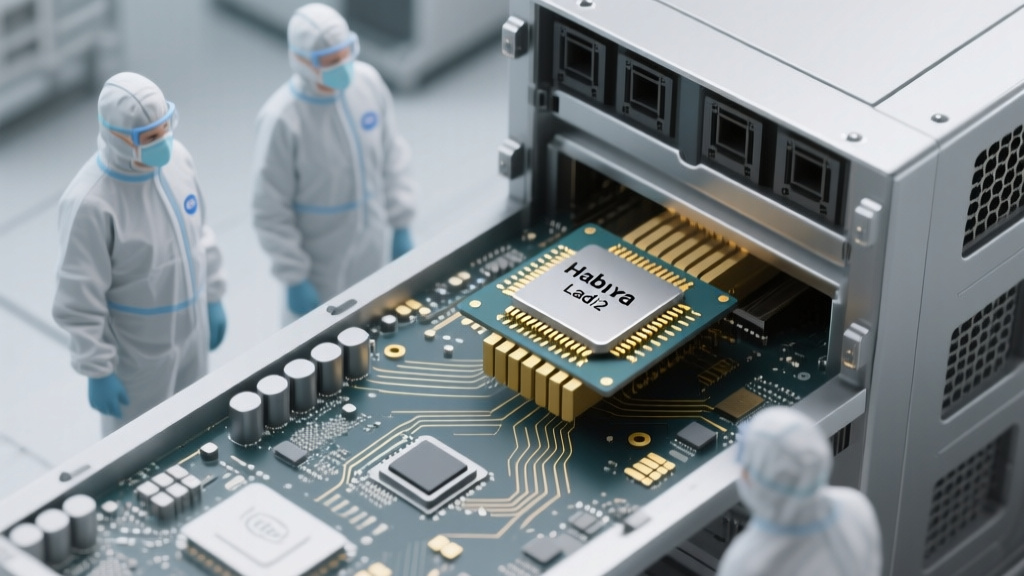
The partnership could ease hardware bottlenecks—but at what cost to the ecosystem?📷 Published: Apr 10, 2026 at 04:33 UTC
The partnership could ease hardware bottlenecks—but at what cost to the ecosystem?
But what does this mean for users and developers? On paper, custom chips could lower costs and improve efficiency for AI workloads running on Google Cloud. If the partnership delivers, businesses might see faster deployment times and reduced latency for inference tasks. However, the real-world impact depends on execution. Intel’s track record with custom silicon isn’t flawless—its Habana Labs AI chips, for example, have struggled to gain traction against NVIDIA’s dominance The Information.
There’s also the question of ecosystem effects. A shift away from NVIDIA could weaken Google’s position in the short term, as NVIDIA’s CUDA ecosystem is deeply entrenched in AI development. Developers may hesitate to adopt new hardware if it requires rewriting code or retraining models. The partnership could, however, strengthen Intel’s foothold in AI, especially if other cloud providers follow Google’s lead.
The financial and operational details remain unclear. No timeline, product names, or investment figures have been disclosed, leaving analysts to piece together the broader implications. What is certain is that the partnership arrives at a critical juncture—AI infrastructure is becoming a bottleneck, and the race for efficient, scalable hardware is intensifying. For now, the real signal isn’t just about chips; it’s about who controls the future of AI compute Wired.