Android’s March 2026 updates: small tweaks, big ecosystem lock
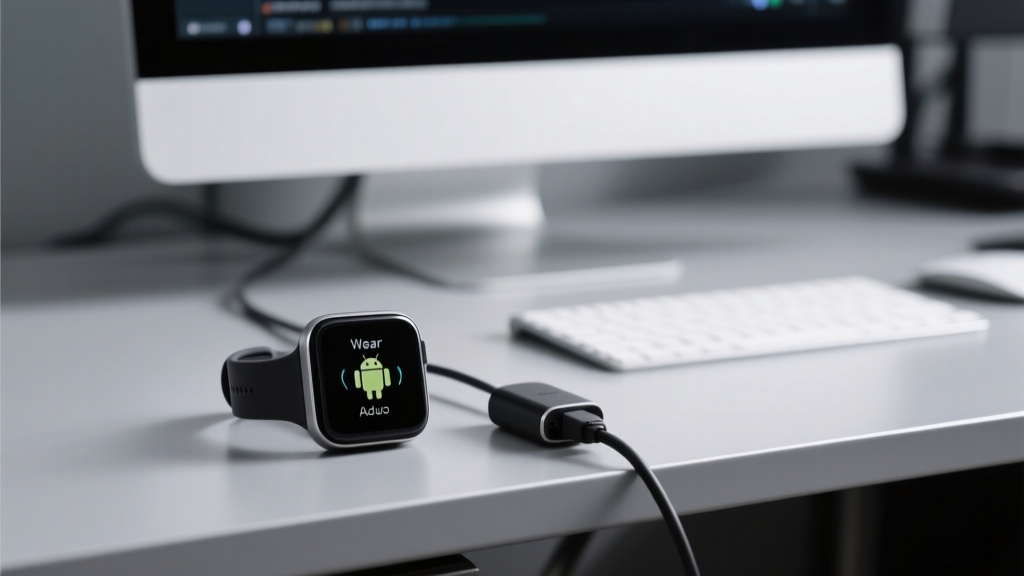
A developer's workstation with multiple devices, including a phone, Wear OS device, Android TV, and Auto, all connected and displaying different📷 Photo by Tech&Space
- ★Play services get modular upgrades
- ★Developers gain tighter API controls
- ★Auto and Wear OS see quiet convergence
Google’s March 2026 System Updates landed with the usual lack of fanfare, but the quiet additions to Play services and the Play Store reveal a deliberate strategy: lock developers tighter into Android’s ecosystem without alienating end users. The release notes confirm modular updates to Play services, allowing Google to push targeted improvements to specific device categories—phones, Wear OS, Android TV, and Auto—without requiring full system overhauls. For developers, this means fewer compatibility headaches but also deeper reliance on Google’s tooling for distribution and monetization.
The Play Store itself received under-the-hood refinements, including stricter app bundle validation and expanded support for alternative billing systems—likely a preemptive move against looming regulatory pressures. Meanwhile, Wear OS and Android Auto saw incremental but notable syncing improvements, hinting at a broader push toward cross-device continuity. These aren’t headline-grabbing features, but they reinforce Google’s control over the platform’s plumbing while keeping the experience frictionless for users.
For most consumers, the updates won’t register beyond minor performance bumps or battery optimizations. That’s by design. Google’s priority here isn’t flashy innovation but tightening the screws on its ecosystem—ensuring that both users and developers have fewer reasons to look elsewhere. The real story isn’t what’s new; it’s what’s been quietly reinforced.
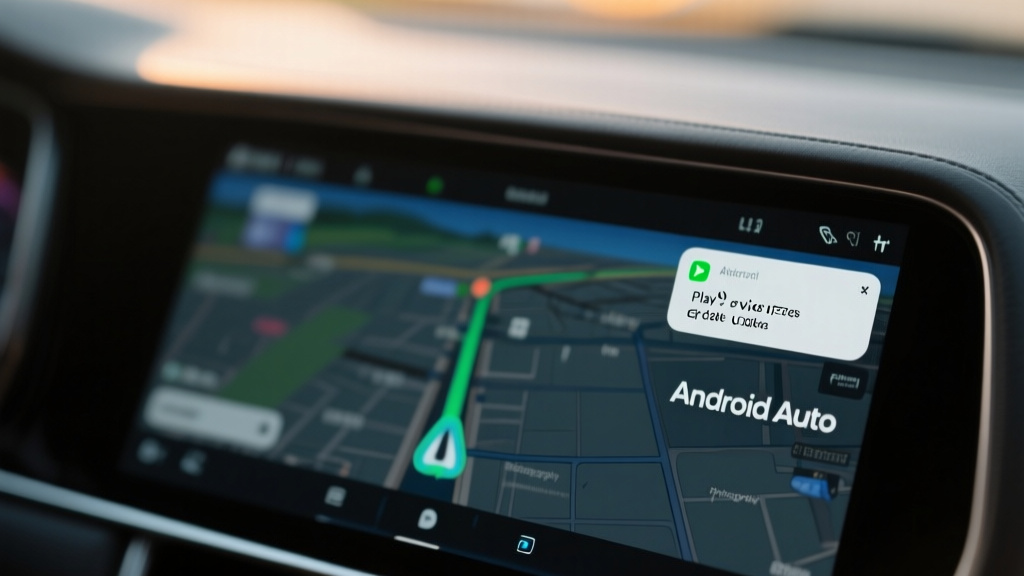
A developer's workstation with a Wear OS device and Android Auto setup in the foreground, connected to a computer in the background, showcasing the📷 Photo by Tech&Space
The workflow changes behind Google’s incremental rollout
The modular approach to Play services updates is particularly telling. By decoupling features from full system updates, Google can iterate faster on niche platforms like Wear OS or Android Auto without waiting for OEMs to push major OS refreshes. This aligns with its broader strategy of making Android more adaptable—even as it cements Google’s role as the gatekeeper. Developers, however, will feel the squeeze: tighter API controls and app bundle requirements mean more work to maintain compliance, but also less flexibility to experiment outside Google’s walled garden.
Competitors like Samsung and Amazon have tried similar modular strategies with Tizen and Fire OS, but none have executed with Google’s scale or subtlety. The March updates don’t introduce groundbreaking features; instead, they refine existing mechanisms to make Android’s ecosystem stickier. For users, this translates to smoother cross-device experiences—if they’re fully invested in Google’s ecosystem. For everyone else, it’s another reminder of how deeply Google’s services are woven into the OS fabric.
The second-order effects are worth watching. Regulators have already flagged Google’s bundling of Play services as a potential antitrust concern. These updates could further blur the lines between “optional” services and core OS functionality, especially on non-Google hardware like PCs running ChromeOS. And while users won’t revolt over incremental improvements, developers may chafe at the growing list of technical prerequisites to stay in Google’s good graces.
In other words, the real signal isn’t in the features—it’s in the scaffolding. Google is making Android’s plumbing more efficient, more integrated, and harder to escape.