US chip ban targets Huawei, SMIC—and your next phone’s price
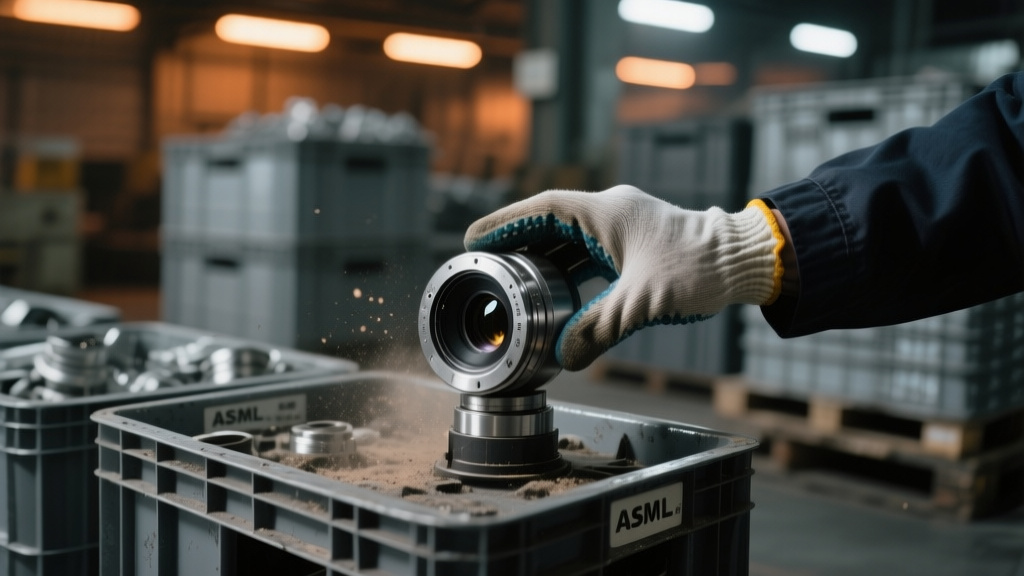
US chip ban targets Huawei, SMIC—and your next phone’s price📷 Published: Apr 7, 2026 at 14:56 UTC
- ★DUV lithography tools now off-limits to four key Chinese firms
- ★Military ties trigger bipartisan crackdown on chipmaking gear
- ★Global foundries face higher costs, slower R&D cycles ahead
The bipartisan proposal to ban exports of advanced DUV lithography and etching tools to Huawei, SMIC, CXMT, and YMTC isn’t just another geopolitical chess move. It’s a direct hit on the machinery that prints 14nm–28nm chips—the workhorse nodes powering everything from mid-range smartphones to automotive sensors. Unlike EUV restrictions, which target bleeding-edge 5nm processes, this ban cuts deeper: it strangles the mature-node production China relies on for volume.
The immediate casualty? Cost. Foundries like SMIC already operate on razor-thin margins for legacy nodes; replacing Dutch or Japanese tools with domestic alternatives (if they exist) means higher capex and longer validation cycles. For consumers, that translates to pricier budget phones and IoT devices—products where every dollar of BOM matters. The irony? While the US aims to cripple China’s military-linked chipmaking, the collateral damage lands squarely on civilian tech.
This isn’t theoretical. YMTC’s 128-layer NAND, a rare Chinese success in memory, depends on DUV for critical layers. Without tool upgrades, their roadmap stalls—leaving Western firms like Micron and SK Hynix with less competition and, conveniently, more pricing power. The ban’s ripple effect starts with four companies but ends with every OEM sourcing chips from Asia.
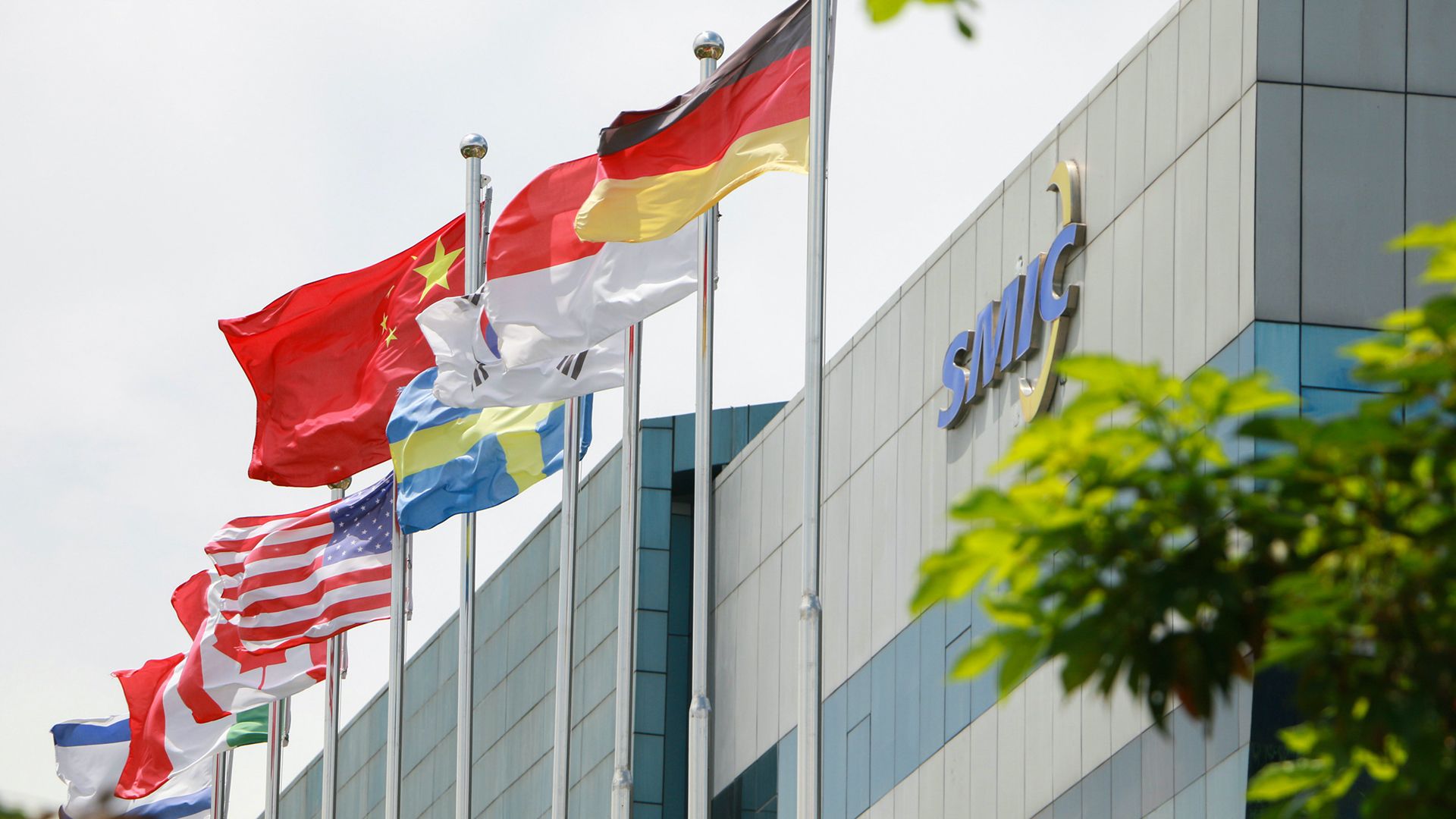
The supply chain domino effect no one’s talking about📷 Published: Apr 7, 2026 at 14:56 UTC
The supply chain domino effect no one’s talking about
The bigger question isn’t whether China can build its own DUV tools (it can’t, not yet), but how the global foundry ecosystem adapts. Taiwan’s TSMC and South Korea’s Samsung already face pressure to localize more production in the US—now they’ll also contend with Chinese rivals scrambling for secondhand equipment. That means longer lead times for everyone, including Western fabless designers who assumed Asia’s capacity was infinite.
For developers, the pain point is less about specs and more about stability. A 2023 Gartner report flagged chip supply volatility as the top hardware risk for IoT and edge devices; this ban guarantees another year of it. Startups building custom silicon for AI accelerators or automotive MCUs will now bake geopolitical risk into their BOMs—because even if their designs are EUV-free, their contract manufacturers might not be.
The real signal here isn’t just ‘China loses.’ It’s that the chip industry’s just-in-time globalization model is over. When even ASML’s CEO warns that export controls could backfire by slowing innovation, you know the calculus has changed. The next iPhone’s A-series chip might still be made in Taiwan, but its power-management ICs? Those just got a lot harder to source.