AI hacks turn solar inverters into a grid-scale kill switch
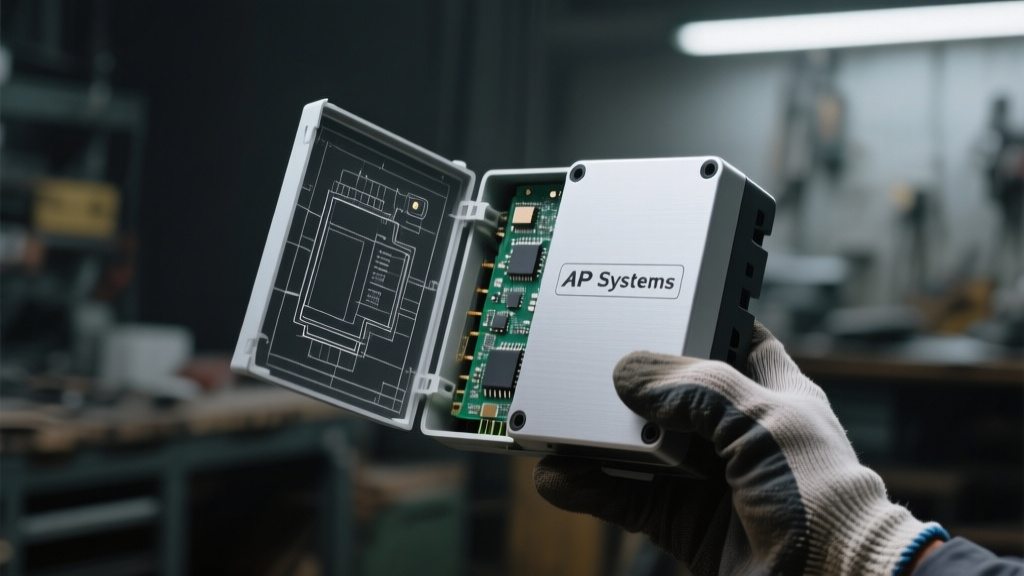
AI hacks turn solar inverters into a grid-scale kill switch📷 Published: Apr 7, 2026 at 16:24 UTC
- ★AP Systems inverters vulnerable to mass remote shutdowns
- ★AI-powered exploits bypass standard security protocols
- ★Grid stability at risk from coordinated inverter attacks
Security researchers at Jakkaru just exposed a flaw in AP Systems’ microinverters that turns what should be a distributed energy asset into a potential grid-scale liability. The vulnerability—enabled by AI-assisted hacking techniques—lets attackers remotely trigger a "kill switch" across tens of thousands of units simultaneously. This isn’t theoretical: the exploit chain bypasses existing authentication, meaning no firmware update or user password stands in the way.
The immediate risk isn’t just darkened solar arrays. Early signals suggest a coordinated shutdown could destabilize local grids by yanking megawatts of generation offline without warning. For installers and utilities, this flips the script on microinverters’ reputation as the safer alternative to string inverters—suddenly, their granular control becomes a vector for systemic failure.
AP Systems hasn’t disclosed how many units are affected, but their inverters ship in volume to residential and commercial projects. The PV Magazine report frames this as an industry wake-up call, though the quiet part is louder: solar’s rapid digitization has outpaced its security posture. When inverters phone home for firmware or performance tuning, they’re also opening doors for attackers to walk through.
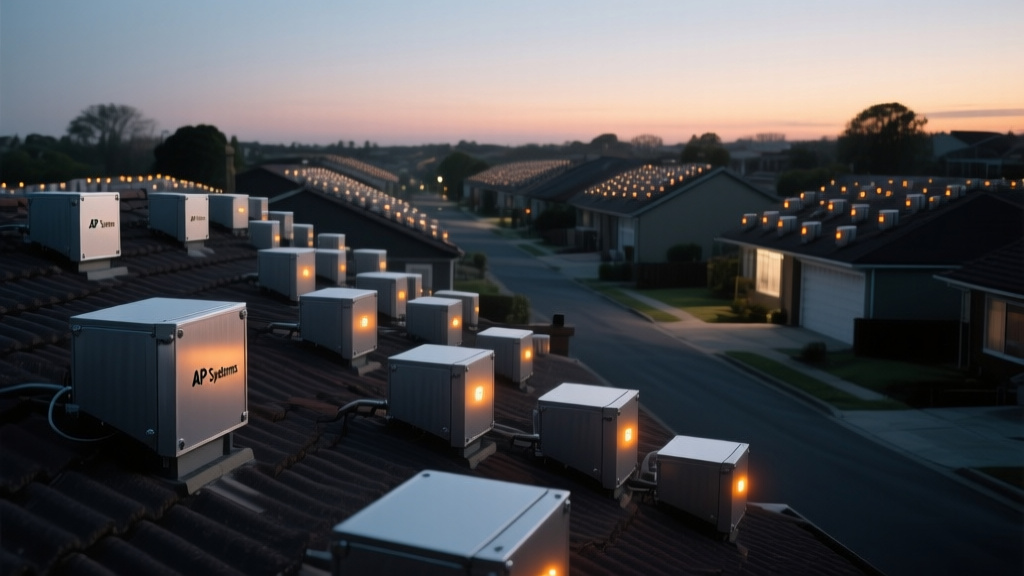
The real-world gap between smart energy specs and critical infrastructure risk📷 Published: Apr 7, 2026 at 16:24 UTC
The real-world gap between smart energy specs and critical infrastructure risk
The practical fallout splits into two camps. For end users, the risk is less about hackers flipping off their panels and more about the coming patch chaos: forced updates, potential downtime, and the nagging question of whether their system’s next software layer introduces new vulnerabilities. Installers, meanwhile, face a trust problem—customers won’t care about ML-powered optimizations if their array becomes a cybersecurity liability.
Market context makes this uglier. AP Systems competes with Enphase and SolarEdge, both of whom have faced their own security scrutiny. The difference? Those flaws required physical access or local network tricks. This one scales via AI, turning a niche exploit into a tool for mass disruption. Regulators are already twitchy about grid-tied devices; expect this to accelerate calls for mandatory IEC 62443 compliance in the solar sector.
The second-order effect is the chilling one: if inverters become weaponizable, utilities may start treating distributed solar as a threat vector. That’s the opposite of the energy transition’s promise—where rooftop arrays were supposed to strengthen grid resilience, not undermine it. The fix isn’t just a patch; it’s a reckoning with how smart energy systems balance connectivity and control.