Intel’s $10B Chip Packaging Gamble Isn’t Just for Nerds

Intel’s $10B Chip Packaging Gamble Isn’t Just for Nerds📷 Published: Apr 6, 2026 at 10:41 UTC
- ★AI workloads expose chip packaging as the new bottleneck
- ★Intel’s Foveros tech targets Nvidia’s dominance in AI hardware
- ★Developers may face higher costs for marginal performance gains
Intel’s latest earnings call buried a telling detail: $10 billion earmarked for advanced chip packaging by 2025, a bet that Foveros and EMIB can outmaneuver Nvidia’s monolithic AI chips. The move isn’t academic—it’s a direct response to AI’s insatiable demand for memory bandwidth and power efficiency, two areas where traditional chip designs hit physical limits.
Packaging—once a backwater of semiconductor R&D—now dictates whether a data center can run LLMs like Llama 3 without melting or bankrupting operators. Intel’s approach stacks chiplets vertically, slashing data travel distances by up to 90% compared to side-by-side layouts. Early benchmarks suggest 15–20% power savings for AI inference tasks, but the catch? Only if software is rewritten to exploit the architecture.
This isn’t just about specs. Nvidia’s H100 dominates AI training because its monolithic design simplifies programming—developers don’t need to rethink memory hierarchies. Intel’s packaging play forces a tradeoff: better efficiency at the cost of complexity.
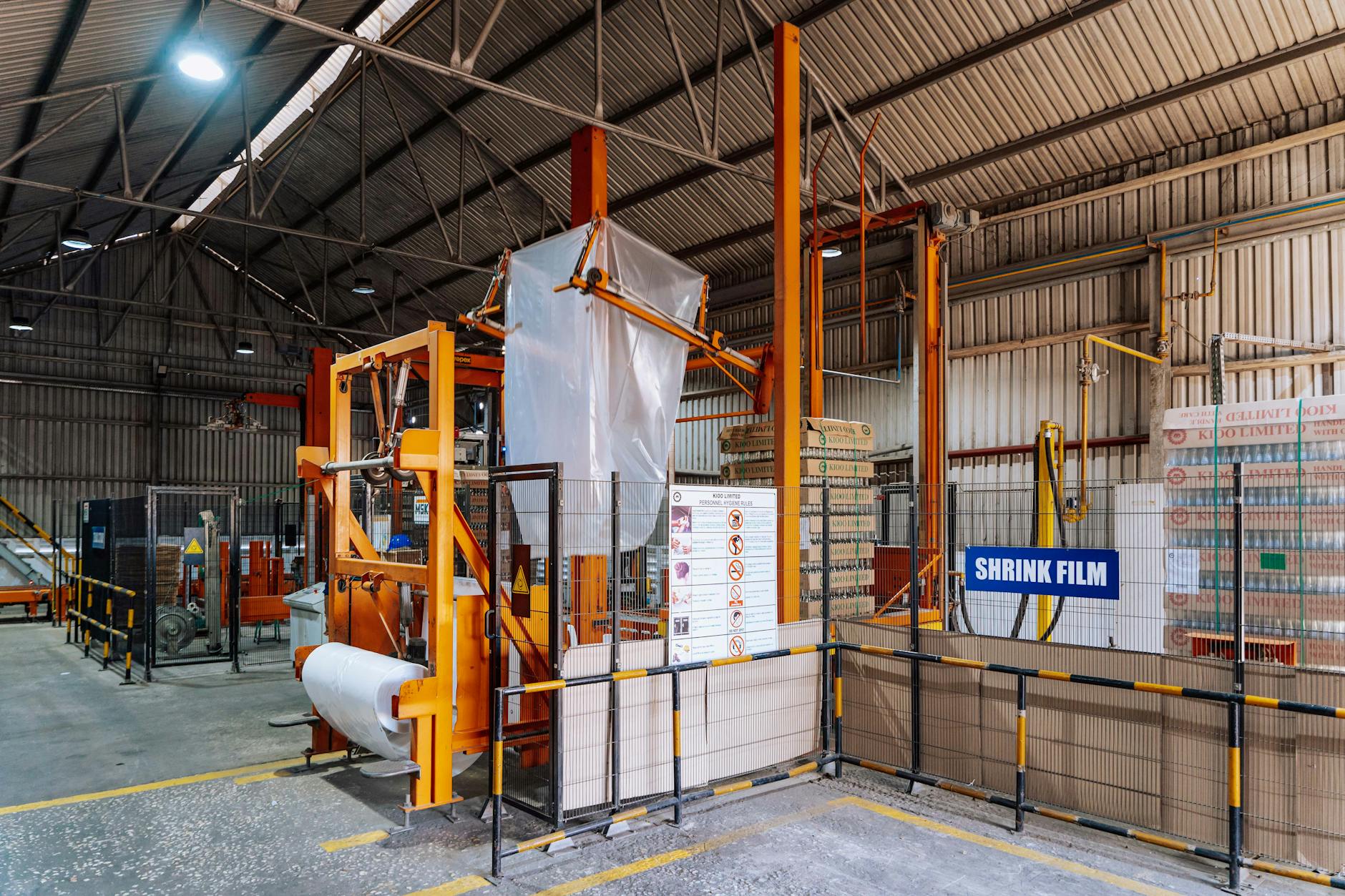
The real-world tradeoffs behind Intel’s high-stakes packaging push📷 Published: Apr 6, 2026 at 10:41 UTC
The real-world tradeoffs behind Intel’s high-stakes packaging push
The market context is brutal. AMD’s MI300X already uses 3D stacking for memory, and TSMC’s SoIC threatens to commoditize Intel’s edge. Yet Intel’s bet hinges on a niche advantage: Foveros allows mixing CPU, GPU, and memory dies in one package, which could let cloud providers like AWS customize silicon for specific workloads. The risk? Customization raises costs, and most AI teams lack the expertise to optimize for it.
For end users, the impact splits cleanly. Hyperscalers (Google, Meta) might adopt Intel’s tech for inference—where power savings justify the hassle—but startups training models will likely stick with Nvidia’s plug-and-play GPUs. The ecosystem effect is clearer: packaging innovation shifts power from chip designers to cloud architects, who now dictate which hardware thrives.
Early adopters report mixed results. Intel’s Ponte Vecchio GPU, built with Foveros, delivers on raw performance but requires oneAPI tweaks that many devs avoid. The real bottleneck isn’t the tech—it’s the tooling.