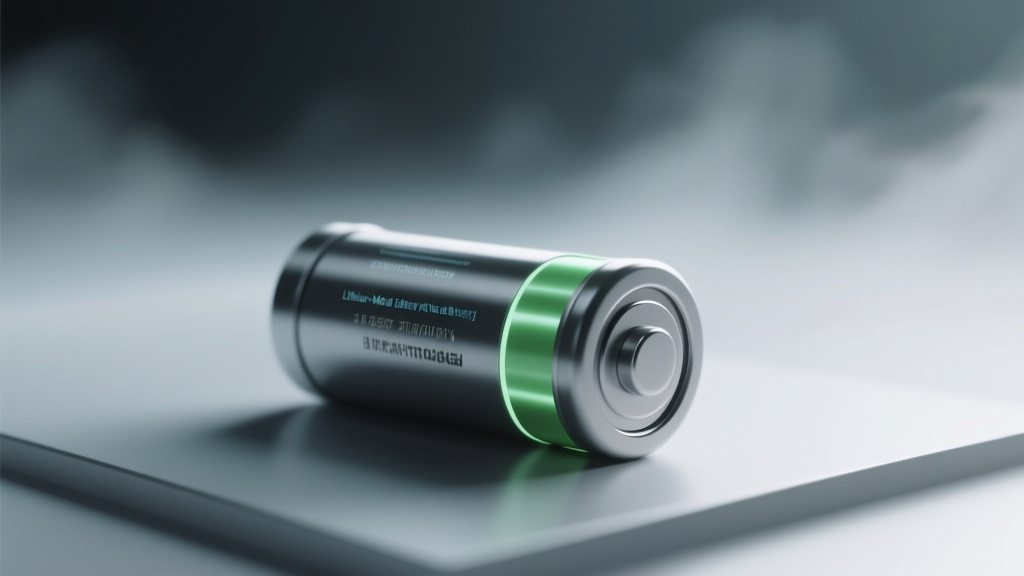
Lithium-Metal Battery Breakthrough📷 Source: Web
- ★700 Wh/kg energy density
- ★Hydrofluorocarbon electrolyte
- ★Low-temperature operation
A team from Nankai University and the Shanghai Institute of Space Power-Sources has made a significant breakthrough in lithium-metal battery technology. The new battery boasts an impressive 700 Wh/kg energy density, made possible by a hydrofluorocarbon electrolyte. This innovation enables the battery to operate at temperatures as low as -70°C, a crucial factor for applications in extreme environments. According to PV Magazine, the research team's findings have been published, marking a significant step forward in battery development.
The use of hydrofluorocarbon electrolyte is a key factor in this breakthrough, as it allows the battery to maintain its performance even in extremely cold conditions. This is particularly important for applications such as electric vehicles, where battery performance can be severely impacted by temperature. As noted by The Verge, the development of more efficient and resilient battery technologies is crucial for the widespread adoption of electric vehicles.
The Real-World Gap in Battery Tech📷 Source: Web
The Real-World Gap in Battery Tech
The implications of this breakthrough are significant, with potential applications in a range of fields, from electric vehicles to aerospace. The ability to operate at low temperatures could significantly improve the performance and reliability of lithium-metal batteries, making them more viable for use in extreme environments. However, as Wired points out, there are still many challenges to overcome before this technology can be widely adopted.
One of the key challenges is the stability and safety of the hydrofluorocarbon electrolyte, which is still not fully understood. Further research is needed to determine the long-term viability of this technology and to address any potential safety concerns. Despite these challenges, the breakthrough is a significant step forward in the development of more efficient and resilient battery technologies.