12.28% solar efficiency: Why indium-free cells just got real
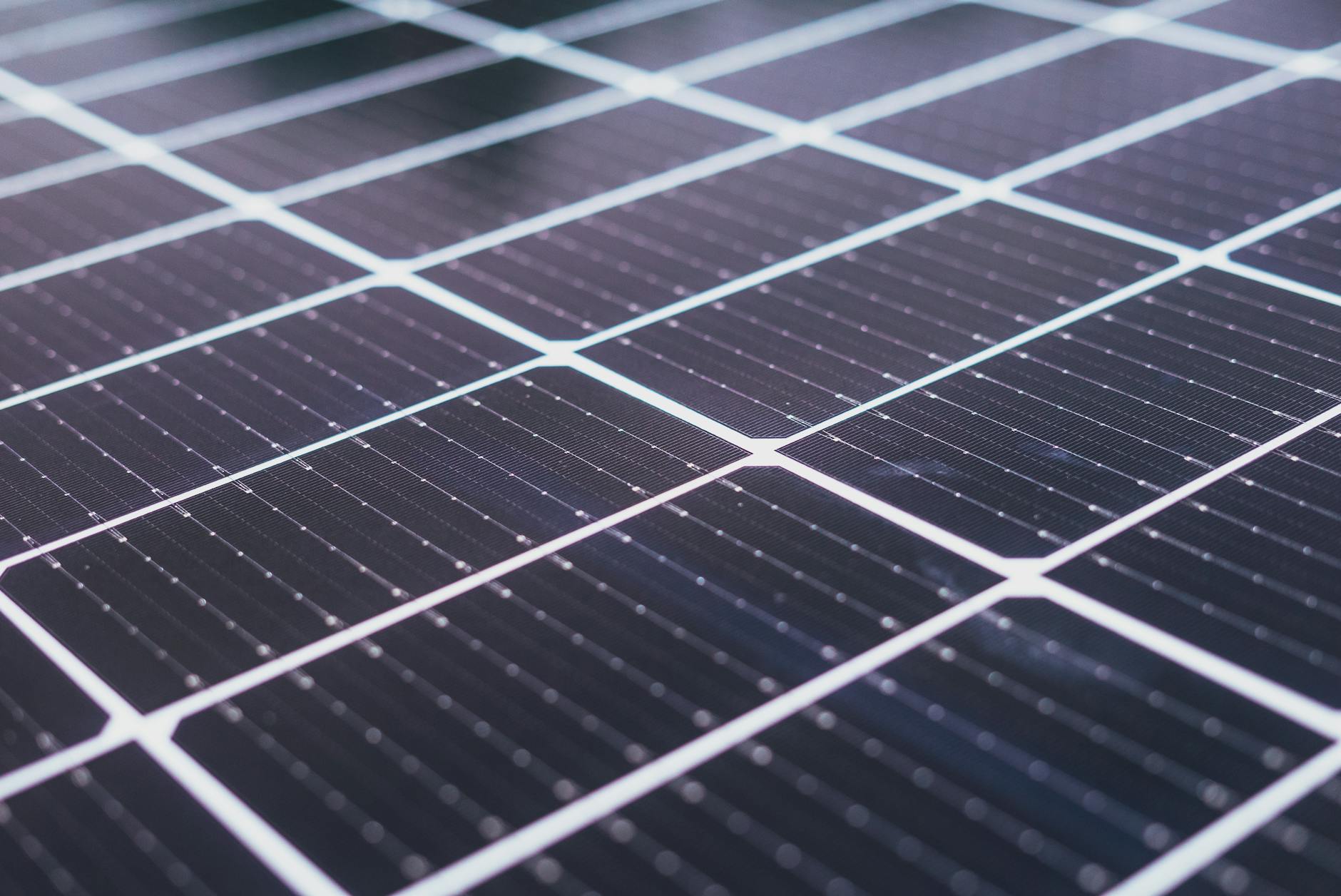
12.28% solar efficiency: Why indium-free cells just got real📷 Source: Web
- ★Indium-free solar cells hit record 12.28% efficiency
- ★Aluminum-engineered films cut recombination losses
- ★Tandem cell potential hinges on cost vs. performance
Japanese researchers have cracked a persistent barrier in thin-film solar: a 12.28% efficient copper gallium selenide (CGS) cell, the highest yet for indium-free wide-bandgap chalcogenide absorbers. The trick? Aluminum-doped back-surface fields and optimized cadmium sulfide buffers that squeeze more voltage from the same sunlight. This isn’t just a lab curiosity—it’s a direct challenge to indium-based cells, which dominate high-efficiency thin-film but face supply chain pressures and cost volatility.
The real user impact lies in the tradeoffs. CGS cells operate in the 1.65–1.75 eV range, ideal for tandem solar applications where layering materials boosts overall efficiency. But while 12.28% beats prior indium-free records, it’s still shy of commercial CIGS cells (23.3% with indium). The question isn’t whether this is a breakthrough—it’s whether the indium-free angle justifies the efficiency gap for manufacturers betting on sustainable supply chains.
For solar panel buyers, this shifts the calculus. Indium-free cells promise long-term cost stability, but today’s installers prioritize upfront efficiency and proven durability. The CGS advance matters most to tandem cell developers and space applications, where weight and radiation resistance outweigh marginal percentage gains.
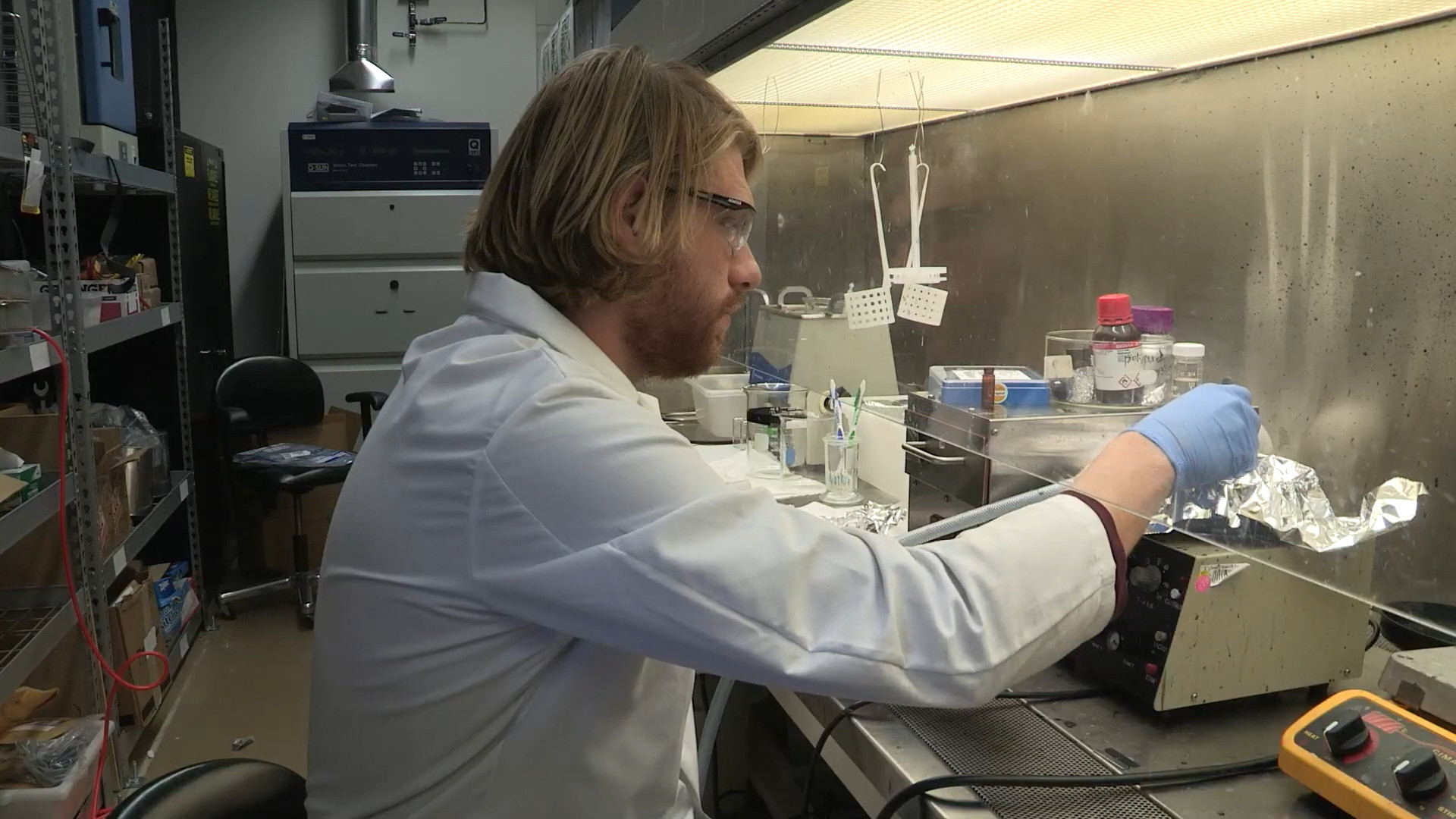
The material tradeoff that could reshape thin-film solar economics📷 Source: Web
The material tradeoff that could reshape thin-film solar economics
The market context is brutal: thin-film solar already fights for relevance against silicon’s 90%+ dominance. CGS’s edge—no indium dependency—could appeal to regions like Europe pushing for critical material independence, but only if scaling proves viable. Early signals suggest the aluminum-engineered films reduce recombination losses, a chronic issue in thin-film, but real-world degradation rates remain untested.
What works here is the material science. The back-surface field design and CdS buffer optimization are reproducible techniques, not one-off tricks. What doesn’t? The efficiency still lags behind indium-based alternatives by nearly 10 percentage points—a gap that may shrink with further tuning but won’t vanish overnight. For solar farms, this is a wait-and-see moment; for perovskite-tandem researchers, it’s a potential layer in the stack.
The broader signal is about supply chain resilience. If CGS can hit 15%+ without indium, it becomes a hedge against geopolitical risks like China’s 90% grip on indium production. But for now, the efficiency-to-cost ratio keeps this in the ‘promising’ column—not the ‘deployable’ one.