TerraPower’s Wyoming reactor: The NRC’s first nuclear bet in a decade
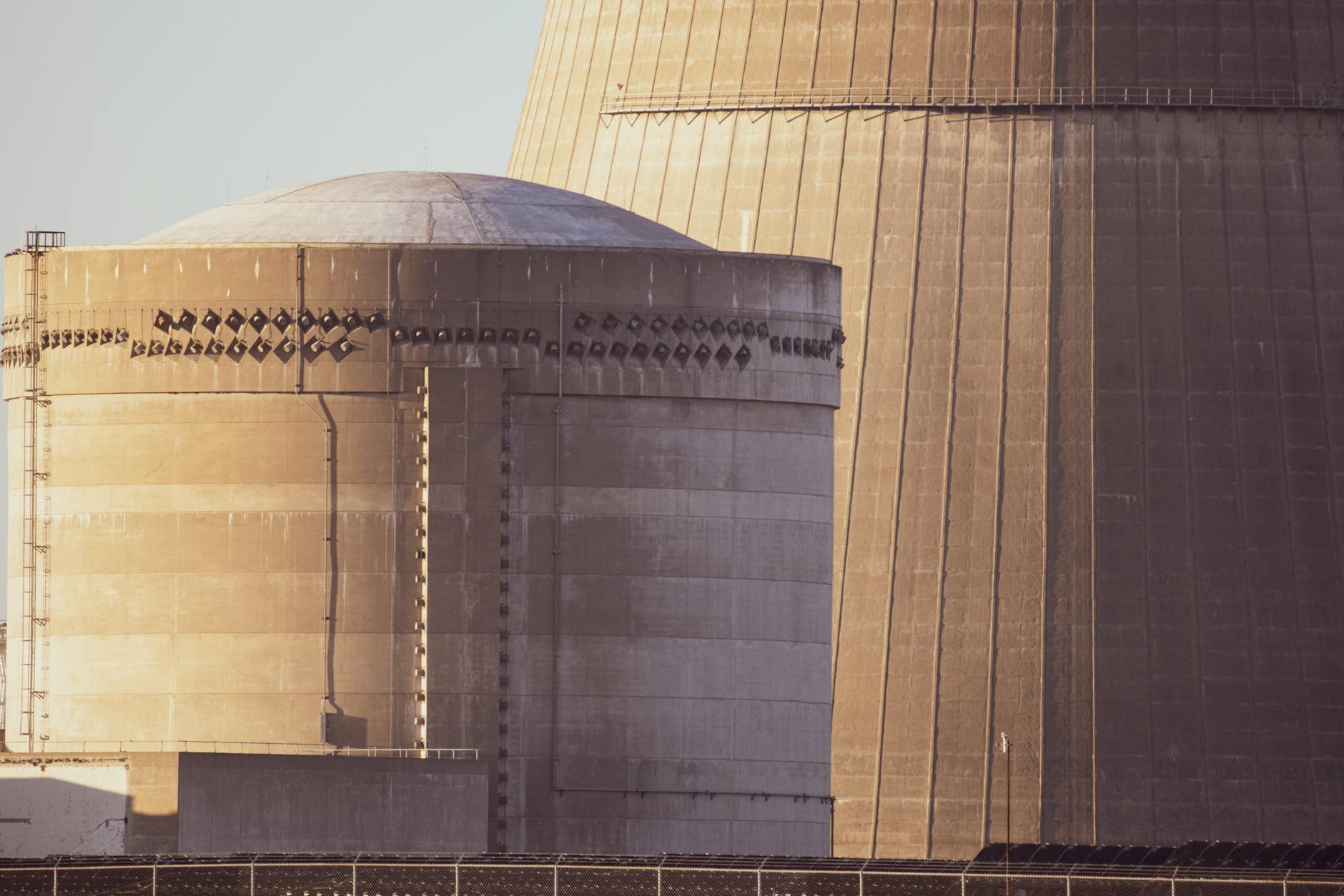
TerraPower’s Wyoming reactor: The NRC’s first nuclear bet in a decade📷 Source: Web
- ★NRC’s first commercial reactor approval since 2015
- ★Bill Gates-backed 345-MW sodium-cooled design
- ★Decade-long regulatory freeze ends with Wyoming project
For the first time since 2015, the U.S. Nuclear Regulatory Commission has greenlit construction of a commercial nuclear reactor. The permit, issued to TerraPower’s subsidiary for a 345-MW sodium-cooled reactor in Wyoming, marks more than a bureaucratic milestone: it signals the NRC’s willingness to engage with next-generation designs after years of stagnation. The Natrium plant, backed by Bill Gates, diverges from traditional light-water reactors by using liquid sodium as a coolant—a choice that boosts efficiency but introduces new engineering challenges.
The approval arrives as the U.S. scrambles to decarbonize its grid while maintaining energy security. Advanced reactors like Natrium promise smaller footprints, passive safety features, and the ability to load-follow renewable generation—qualities the NRC has historically been slow to certify. Yet this permit covers only construction, not operation; the real test will come when TerraPower must prove the reactor’s performance matches its theoretical advantages.
Critically, the project’s timeline reveals the gap between ambition and execution. TerraPower initially aimed for a 2028 operational date, but supply chain delays and the NRC’s cautious review process have already pushed that target to at least 2030. The sodium-cooled design, while not new, has never been deployed at this scale in the U.S.—leaving open questions about long-term reliability and fuel availability.
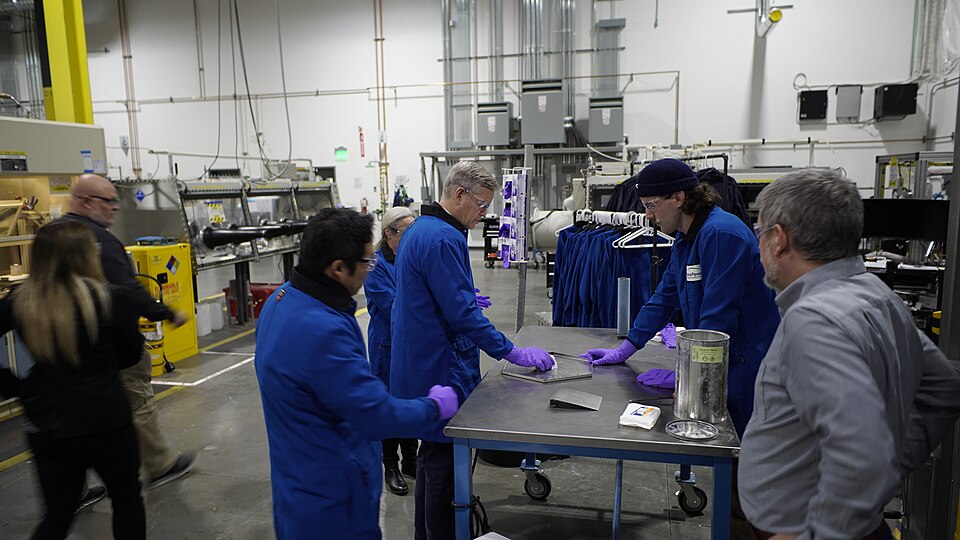
A 345-MW sodium reactor breaks the logjam—but the real test is deployment📷 Source: Web
A 345-MW sodium reactor breaks the logjam—but the real test is deployment
The scientific significance lies in the reactor’s potential to validate sodium-cooled technology at commercial scale. Unlike conventional reactors, Natrium’s design operates at lower pressures, reducing explosion risks, and pairs with a molten salt energy storage system to smooth intermittent renewable output. If successful, it could provide a template for reactors in regions where water scarcity or seismic activity rules out traditional plants.
Yet the NRC’s approval is not an unqualified endorsement. The agency’s final safety evaluation notes unresolved questions about the plant’s seismic resilience and the behavior of sodium coolant under extreme conditions. TerraPower must now navigate a second licensing phase for operation—a process that could take years and may yet uncover new hurdles.
For the nuclear industry, the Wyoming project is a litmus test. If Natrium delivers on its promises of cost-competitive, flexible baseload power, it could unlock private investment in similar designs. If delays or technical setbacks emerge, the sector’s credibility—already battered by decades of overruns—will suffer another blow. The NRC’s cautious pace reflects this high-stakes reality: innovation in nuclear energy is measured in decades, not quarters.