FCC’s foreign router ban reshapes space-ground comms security
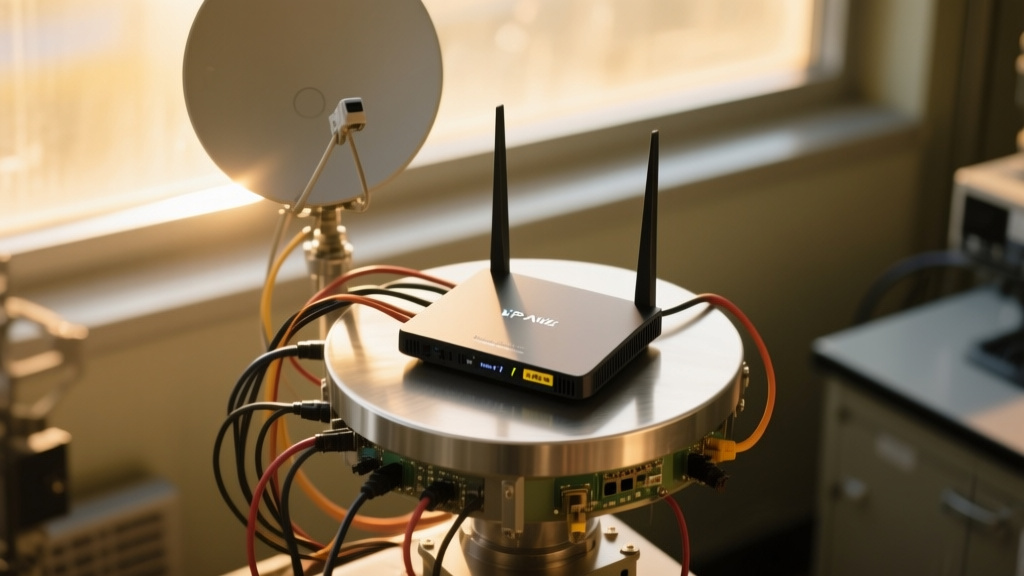
A close-up overhead bird's-eye view of a single consumer-grade router (e.g., TP-Link Archer C7 or Huawei AX3) placed on a metallic satellite ground📷 Photo by Tech&Space
- ★FCC extends state-level restrictions to all consumer-grade foreign routers
- ★Ban disrupts ground-station supply chains for satellite operators
- ★Unclear timelines leave mission-critical networks in regulatory limbo
The Federal Communications Commission’s unprecedented expansion of networking equipment restrictions wasn’t aimed at space—yet its ripple effects will reshape how satellite operators secure their ground-station infrastructure. Consumer-grade routers, often repurposed for low-cost ground terminals, now face an outright import ban if manufactured abroad. This isn’t an abstract policy shift: commercial space ventures from Starlink to academic CubeSat programs depend on these devices to bridge the gap between orbital assets and terrestrial networks.
The ban’s timing remains ambiguous, but its scope is absolute. Where previous restrictions targeted state procurement—limiting agencies like NASA to vetted hardware lists—this move eliminates an entire class of equipment from the U.S. market overnight. For space missions, the implication is immediate: ground stations built on foreign-sourced routers (a common cost-saving measure) must now scramble for compliant alternatives or risk operational disruptions.
Early signals suggest the FCC’s action stems from documented vulnerabilities in firmware supply chains, where backdoors in consumer devices could theoretically compromise satellite command links. Yet the agency’s public statements omit mission-specific guidance, leaving operators to interpret how a rule designed for home Wi-Fi applies to LEO constellation ground segments.
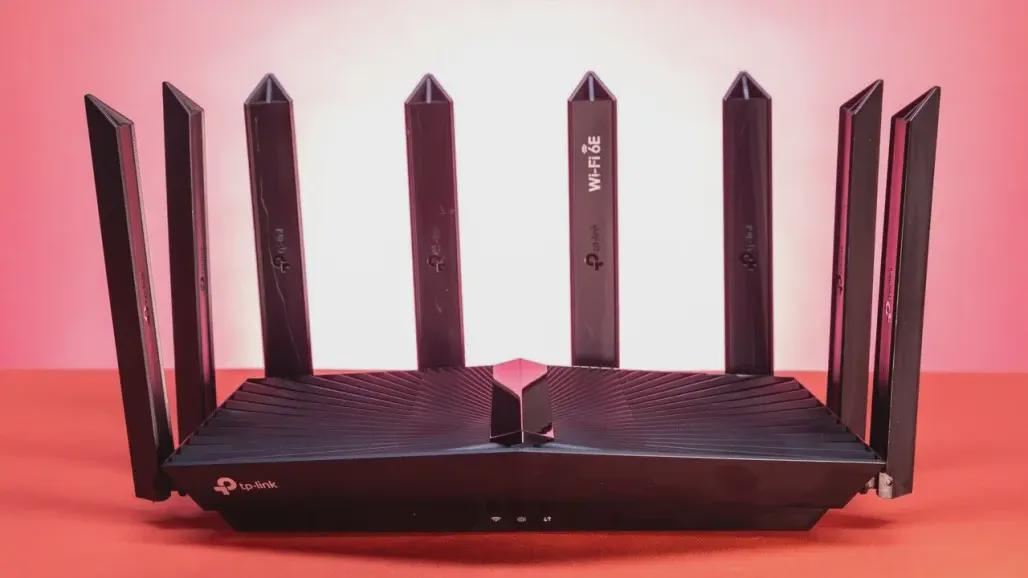
FCC’s foreign router ban reshapes space-ground comms security📷 Photo by Tech&Space
Ground stations rely on consumer hardware—now under sudden import restrictions
The scientific stakes extend beyond logistics. Ground stations using non-compliant routers may face ITAR-like export control scrutiny if their networks touch foreign-manufactured hardware—even for purely civilian research. Academic teams running NSF-funded CubeSat missions, for example, now confront an unplanned capex surge to replace fielded equipment mid-mission.
What’s missing from the discourse is a clear delineation between consumer routers and their industrial counterparts. Many ground stations use modified off-the-shelf hardware to handle S-band telemetry, a practice now in regulatory limbo. The FCC’s blanket ban treats a $50 home router the same as a $5,000 mission-critical unit—despite vastly different threat profiles.
For all the noise about supply-chain security, the actual bottleneck may not be the routers themselves but the lack of standardized alternatives. SpaceISAC, the sector’s cybersecurity consortium, has yet to issue guidance on compliant replacements, leaving operators to navigate the gap between policy intent and operational reality.