A Terrestrial Policy with Orbital Implications

A Terrestrial Policy with Orbital Implications📷 Published: Mar 25, 2026 at 12:00 UTC
- ★FCC bans new foreign-made router models
- ★Covered List designation as security risk
- ★Exception for updates until at least 2027
The Federal Communications Commission has released a notice designating any consumer routers manufactured outside the US as a security risk. New foreign-made models will be placed on the Covered List, a set of communications equipment seen as having an unacceptable risk to national security. The rule, linked to the White House's 2025 national security strategy, is a clear move to reduce dependence on foreign-made network equipment. According to available information, the aim is to bolster national security by controlling the hardware at the edge of critical infrastructure.
This is not a recall. Previously purchased routers can still be used, and retailers can continue selling models approved under prior FCC policies. In a significant operational carve-out, routers on the Covered List can continue to receive updates at least through March 1, 2027, a date that could be extended.
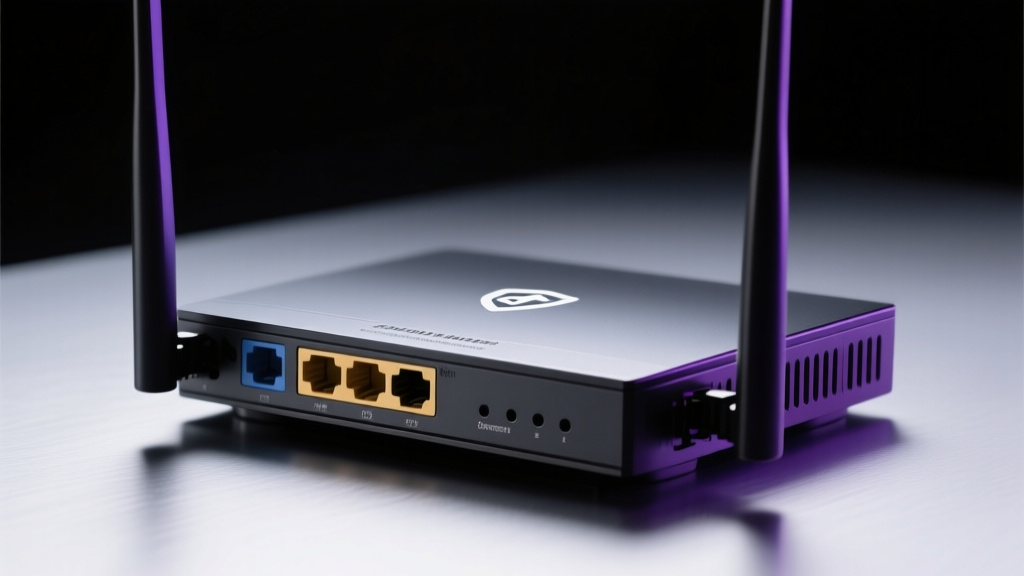
The confirmation that changes the supply chain timeline📷 Published: Mar 25, 2026 at 12:00 UTC
The confirmation that changes the supply chain timeline
The scientific significance lies not in the routers themselves, but in the precedent. For space exploration, where every component's provenance and integrity are scrutinized, this policy signals a tightening of supply chains for terrestrial control systems. Ground stations, research network backbones, and even the infrastructure supporting launch operations rely on this same class of equipment. A shift toward domestic manufacturing for critical network nodes aligns with the extreme supply chain diligence required for spaceflight.
What's next is a period of adaptation. The policy creates a concrete deadline for equipment refresh cycles in federally connected research institutions. It also pressures the commercial sector to establish or verify domestic manufacturing lines for a wider range of networking hardware. The real signal here is the elevation of network hardware to the tier of other nationally sensitive technologies.