New 3D hydrogen map exposes the early universe’s invisible skeleton
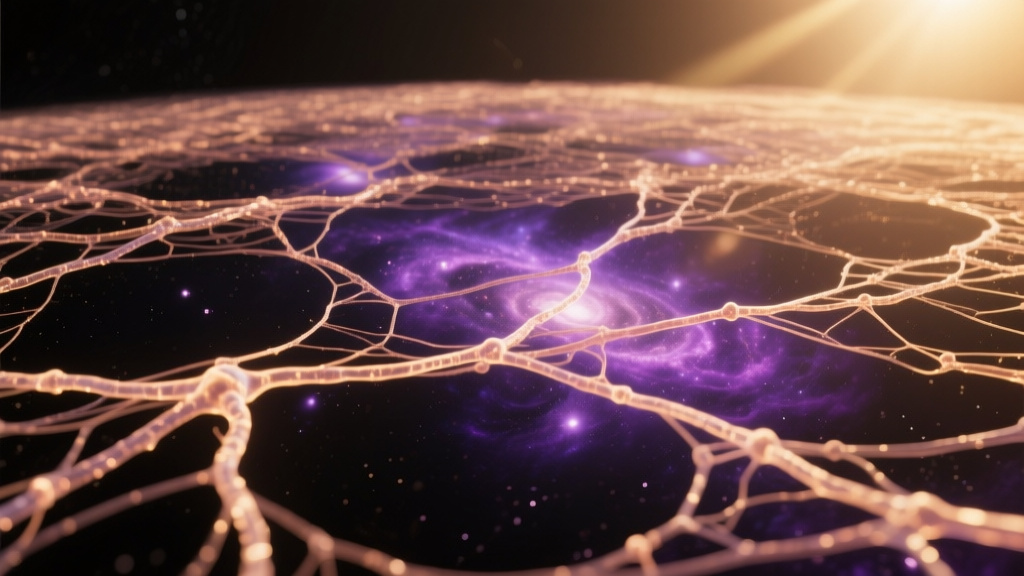
Illustration based on radio astronomy data📷 SKA Observatory
- ★Hydrogen traces the cosmic web’s skeleton
- ★The early universe was not even
- ★Models now get tighter constraints

The new 3D hydrogen map exposes the early universe’s invisible skeleton because it turns the cosmic web from theory into something you can actually measure. Hydrogen is not just the most abundant element in the universe; it is also the best tracer of how matter was arranged before galaxies became distinct systems. That means the map is not only showing where things were, but how structure itself started to form.
SKA Observatory and other radio projects have spent years pushing precision forward, and this map shows why hydrogen matters so much. If you know where hydrogen was, you know where matter was gathering. That gives researchers a much tighter way to test models of galaxy formation and the early cosmic web.
This is not just another pretty visualization. It is a shift in resolution for how we read cosmic history. The more filaments we can measure, and the more precisely we can track them, the less we rely on rough guesses and the more we rely on data that really constrains theory.
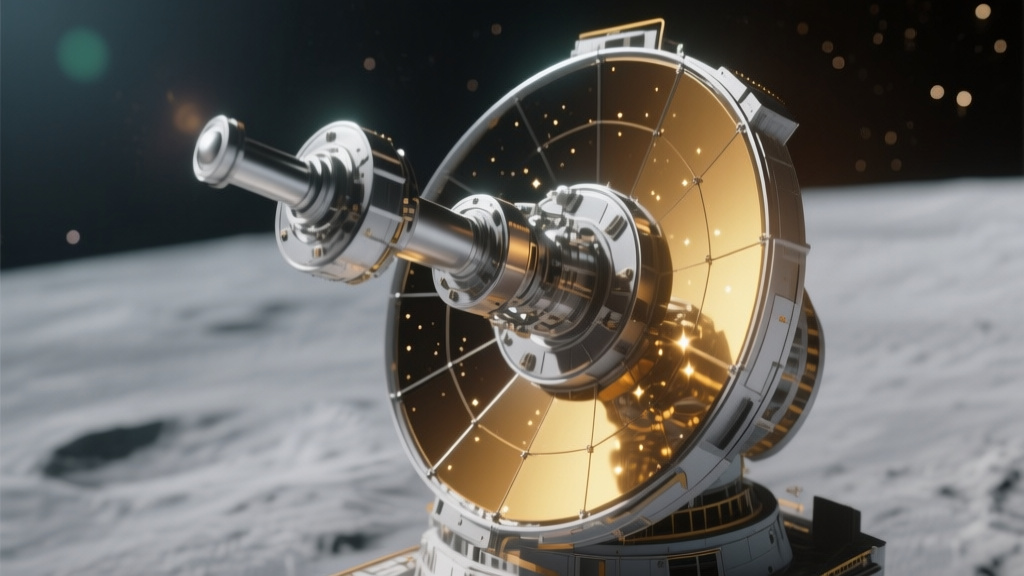
Illustration based on radio astronomy data📷 SKA Observatory
When the space between galaxies stops being invisible
The practical impact comes right after that. If a 3D hydrogen map can show where matter gathered, future telescopes will not just be looking at objects but at the space between them. That in-between region is often the real story because it shows how the cosmic web connected itself and where growth nodes formed.
That is why this map is more than another observation. It changes how we read the early universe: not as a set of points, but as a network of relationships. Once you can measure that properly, theory stops being a picture and becomes a map.
In short, the universe was never an empty void with a few galaxies sprinkled in it. It was a dense skeleton of structure, and this map finally makes that visible enough to matter.