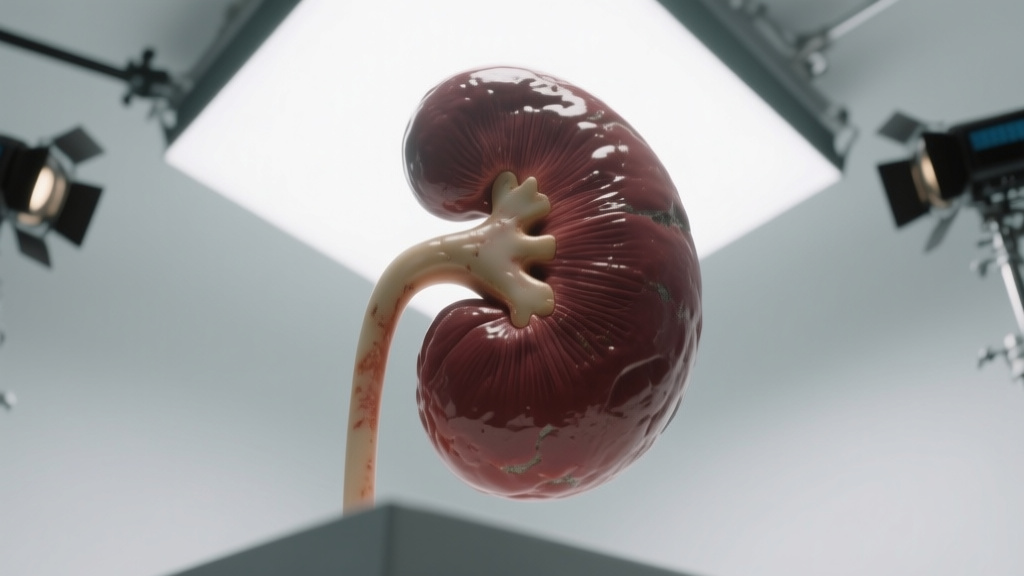
ultra-realistic documentary photography, low-angle upward perspective, subject feels monumental, studio-controlled clean lighting, no ambient📷 Photo by Tech&Space
- ★N-PPG prevents kidney stones
- ★Primary hyperoxaluria type 2 treated
- ★1,700 US cases affected
Scientists at the Buck Institute for Research on Aging have made a significant discovery in the treatment of primary hyperoxaluria type 2 (PH2), a rare genetic disorder that causes progressive kidney failure in infants and young adults. The study, which used a mouse model of PH2, found that an orally administered small molecule, N-propargylglycine (N-PPG), can completely prevent the formation of calcium oxalate kidney stones. According to MedicalXpress, this is a major breakthrough in the treatment of this devastating disease.
The researchers used a rigorous methodology to test the effectiveness of N-PPG, including in vivo experiments and histological analysis. Their findings, which have been peer-reviewed, provide strong evidence for the potential of N-PPG in treating PH2.
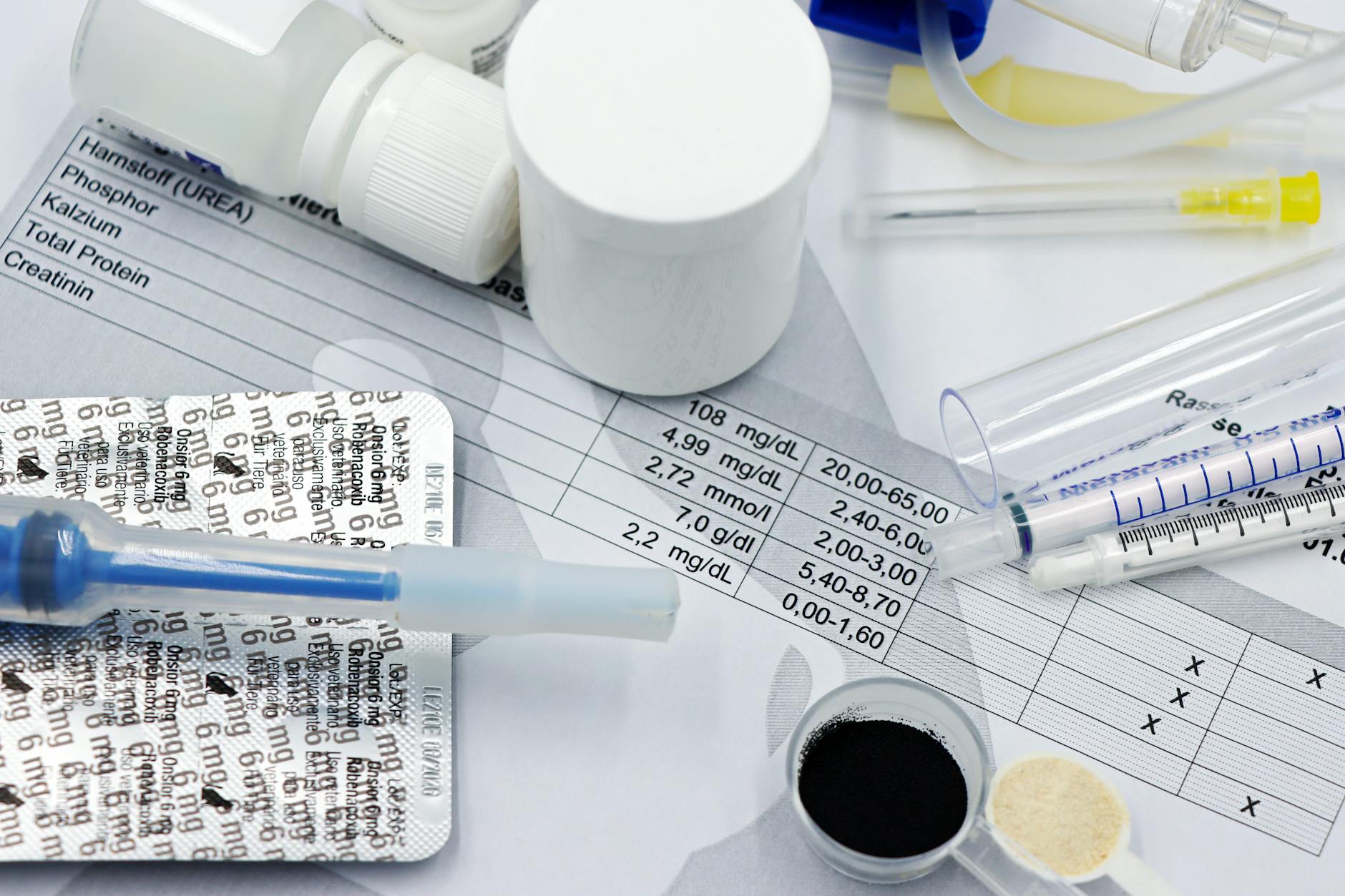
New Hope for Kidney Stone Disease📷 Photo by Tech&Space
A small molecule offers promise in a rare genetic disorder
While the results of this study are promising, it is essential to note that the sample size was limited to a mouse model, and further research is needed to confirm the effectiveness of N-PPG in humans. As the National Institutes of Health notes, PH2 is a rare disease that affects an estimated 1,700 people in the US, although many more cases may go undiagnosed. The development of a treatment for this disease would have a significant impact on the lives of those affected.
The next step in the research process will be to conduct clinical trials to test the safety and efficacy of N-PPG in humans. This will involve regulatory approval from agencies such as the FDA. As the Buck Institute notes, this is a critical step in bringing new treatments to market.