Iran’s Cyber Strikes on US Infrastructure Aren’t Just Espionage
Iran’s Cyber Strikes on US Infrastructure Aren’t Just Espionage📷 Published: Apr 7, 2026 at 22:33 UTC
- ★Energy and water systems targeted by Iranian hackers
- ★US warnings frame attacks as retaliation, not just probes
- ★Disruption—not data theft—signals a shift in cyber warfare tactics
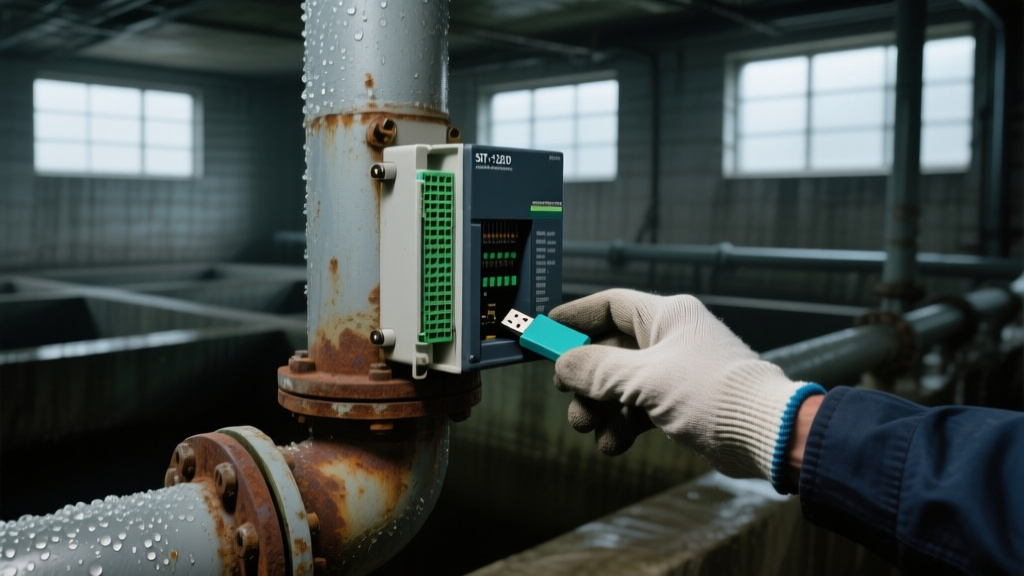
The US Department of Energy and CISA issued a joint advisory last week detailing how Iran-linked hackers are exploiting vulnerabilities in programmable logic controllers (PLCs)—the hardware that runs water treatment plants and power grids. Unlike past campaigns focused on intelligence gathering, these attacks appear designed to delete data, alter configurations, or even physically disrupt operations. It’s a tactical escalation, one that mirrors Iran’s 2019–2020 strikes on US election systems but with higher stakes: critical infrastructure isn’t just a target; it’s now a battleground.
The timing aligns with Donald Trump’s public threats to strike Iranian infrastructure, though cybersecurity analysts caution against assuming direct causation. What’s clearer is the shift from espionage to sabotage—a pattern also seen in Russia’s 2022 attacks on Ukraine’s power grid. For US utilities, this isn’t theoretical: the American Water Works Association reported a 40% spike in PLC-targeted probes since December, forcing operators to isolate systems and manually verify processes.
This isn’t just another warning about ‘critical infrastructure risk.’ It’s a workflow disruption with immediate costs. Plant operators now face unplanned downtime for patching, while insurers like Lloyd’s of London are quietly revising policies to exclude ‘state-sponsored sabotage’ clauses. The real-world gap? Most PLCs in use today were designed for 20-year lifespans—long before ‘cyber-physical attacks’ became a line item in risk assessments.
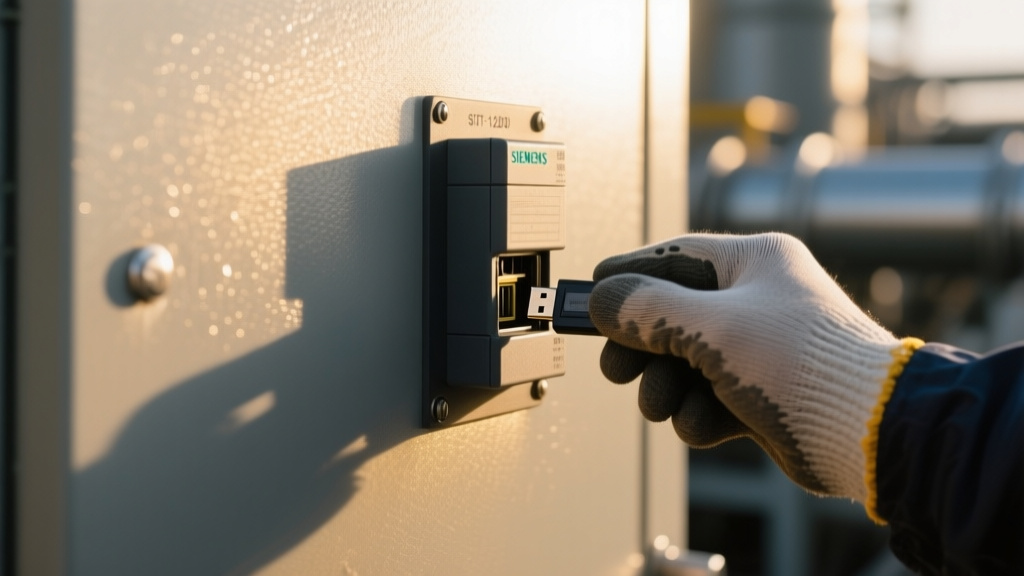
The move from spying to sabotage changes the cost of critical infrastructure defense📷 Published: Apr 7, 2026 at 22:33 UTC
The move from spying to sabotage changes the cost of critical infrastructure defense
The broader industry impact cuts two ways. On one hand, cybersecurity firms like Dragos and Claroty are seeing a surge in demand for OT (operational technology) monitoring tools, with Dragos reporting a 3x increase in inquiries from water utilities since January. On the other, the attacks expose a painful truth: 80% of US critical infrastructure is privately owned, and many operators lack the budget or expertise to harden decades-old systems. The White House’s 2023 cyber strategy pushed for mandatory OT security standards, but implementation remains stalled in congressional gridlock.
For end users, the most visible effect may be unexplained outages or service delays—like the 2021 Colonial Pipeline shutdown, which caused gasoline shortages despite no physical damage. The difference now? Iran’s playbook suggests multi-stage attacks: initial access via phishing, lateral movement into OT networks, then sabotage. That’s a longer, costlier cleanup than ransomware—and one that FBI briefings warn could ‘normalize’ as geopolitical tensions persist.
The real signal here isn’t just that Iran is upping its cyber game. It’s that critical infrastructure is now a pawn in hybrid warfare, where digital strikes complement (or replace) kinetic ones. For utilities, that means treating cyber defense as a core operational cost, not an IT afterthought. For policymakers, it’s a test of whether CISA’s voluntary guidelines can outpace adversaries’ tactics—or if regulation will lag until the next blackout.