Android 17 unlocks phone cameras for every app
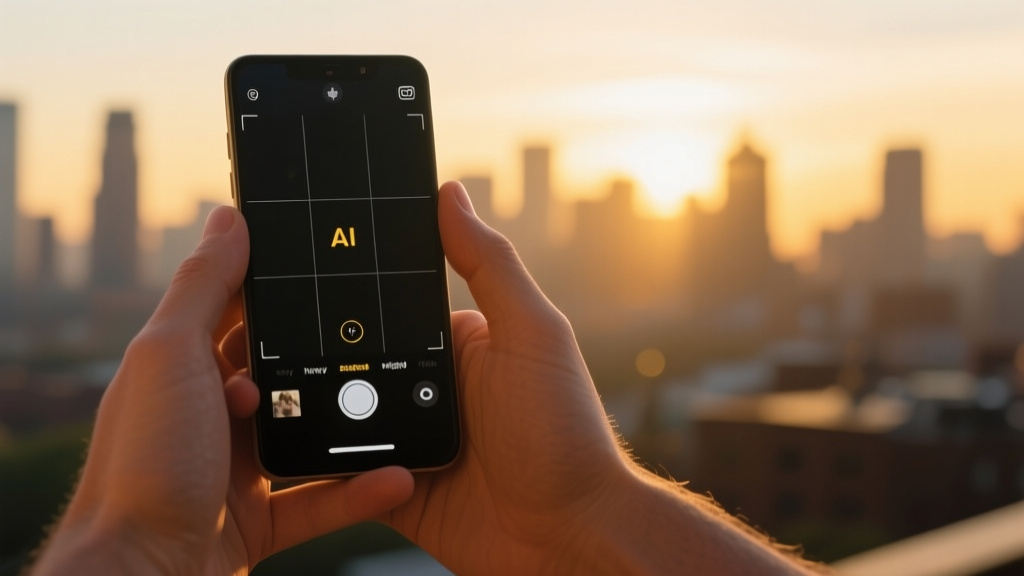
Android 17 unlocks phone cameras for every app📷 Source: Web
- ★OEM camera features reach all apps
- ★User experience vs. manufacturer lock-in
- ★Downstream effects for developers
Google’s Android 17 Beta 3 quietly introduces a change that could reshape how users interact with their phone cameras. For years, phone makers like Samsung, OnePlus, and Google itself have built proprietary camera features—night modes, AI enhancements, pro controls—that work only in their own apps. Third-party apps, from Instagram to WhatsApp, were locked out, forcing users to switch between interfaces or settle for basic functionality. According to Android Authority, Android 17 Beta 3 now allows OEMs to expose these custom features to all apps, not just their own [1].
The shift isn’t just technical; it’s a direct challenge to the walled gardens phone makers have cultivated. Samsung’s Expert RAW, Google’s Magic Editor, and OnePlus’s Hasselblad modes—previously exclusive to their first-party apps—could now be accessible in any app that supports the new APIs. For users, this means no more compromising on camera quality when using third-party apps. For developers, it’s an opportunity to build richer experiences without relying on OEM partnerships. But there’s a catch: adoption depends on phone makers actually enabling these features, and history suggests not all will play ball.
Early signals suggest some OEMs are already testing the waters. Google’s own Pixel devices, known for their computational photography, are likely to lead the charge. But competitors may drag their feet, particularly those who’ve built business models around locking users into their ecosystems. The update also raises questions about fragmentation—will features work consistently across devices, or will users face a patchwork of half-implemented tools?

The real-world gap between promise and practice📷 Source: Web
The real-world gap between promise and practice
The practical impact for users is clear: better photos in more apps, without sacrificing the features they already love. But the real test will be how seamlessly these features integrate. Night modes, HDR, and AI enhancements require real-time processing; if third-party apps struggle with latency or compatibility, the promise could fall flat. Developers, too, face a learning curve. Apps like Snapchat or TikTok will need to update their code to support these new APIs, and not all will prioritize the effort—especially smaller players without the resources to test across multiple devices.
Market context reveals a broader tension. Phone makers have long used camera exclusivity as a selling point, justifying premium prices and ecosystem lock-in. Android 17’s move disrupts that model, pushing toward a more open (and competitive) landscape. But it’s not a silver bullet. Apple, for instance, maintains tight control over its camera stack, and Android’s fragmentation means not all devices will benefit equally. The update could also accelerate a shift where camera quality becomes a true differentiator, rather than a gated feature.
Downstream effects extend beyond users and developers. Regulators watching Big Tech’s ecosystem strategies may see this as a win for competition—but it could also prompt pushback from OEMs reluctant to cede control. If adoption lags, the update risks becoming another half-implemented Android feature, lost in the noise of annual releases. For now, the ball is in the phone makers’ court: will they embrace openness, or double down on their walled gardens?