Apple’s MacBook Neo: A repairability wake-up call for the industry
Apple’s MacBook Neo: A repairability wake-up call for the industry📷 Published: Mar 16, 2026 at 12:00 UTC
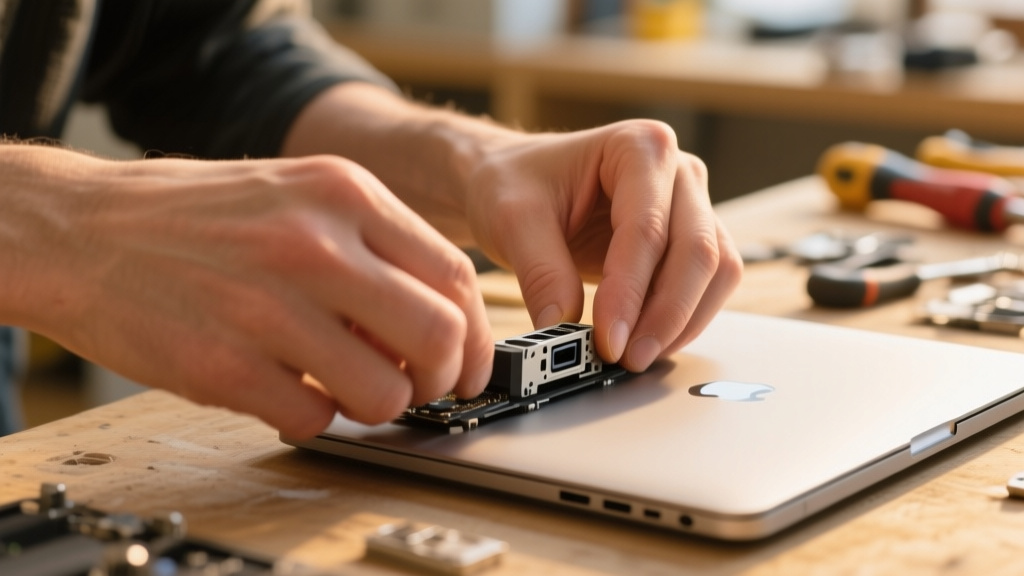
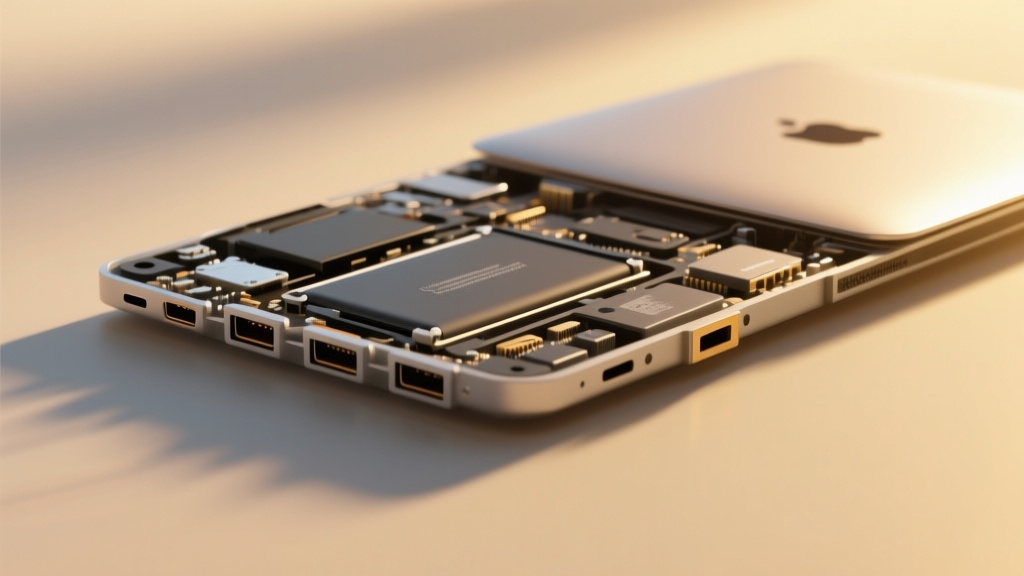
For years, Apple’s laptops have been the poster children for disposable tech: glued-shut unibody designs, proprietary screws, and batteries that required a PhD in adhesive chemistry to replace. The MacBook Neo, as torn down by NotebookCheck, doesn’t just tweak that formula—it rewrites it. Modular ports, a battery that isn’t welded to the chassis, and components that can be swapped without a heat gun? This is the kind of design that would’ve been radical in 2015. In 2024, it’s a quiet admission that the industry’s repairability race to the bottom might’ve gone too far.
The practical impact is immediate. Independent repair shops, long shut out of Apple’s ecosystem by serialized parts and legal threats, now have a glimmer of hope. For users, it means a dead USB-C port or a swollen battery no longer requires a $1,200 logic board replacement—or a trip to an Apple Store genius who may or may not deem your device ‘vintage’ and refuse service. Early teardowns suggest even the display cable isn’t soldered directly to the motherboard, a sin Apple’s committed since the Retina MacBook era.
But let’s not confuse this with altruism. The Neo’s modularity likely stems from cost-cutting as much as conscience. A Bloomberg report last month noted Apple’s tightening belts on hardware R&D, and reusable components align neatly with that. Glue-free batteries also simplify recycling—a growing regulatory demand in the EU, where the Neo is rumored to launch first. Even the ‘inexpensive’ tag feels strategic: a lower-margin device to fend off Chromebooks and Qualcomm’s ARM-based Windows laptops without cannibalizing Pro sales.
The bigger tell? Apple didn’t announce this. No keynote fanfare, no ‘environmental progress’ press release—just a quiet leak via teardown. That’s not how Apple operates when it wants credit for ‘innovation.’
Što se stvarno promijenilo kada Apple počne misliti kao pravilni korisnik📷 Published: Mar 16, 2026 at 12:00 UTC
Što se stvarno promijenilo kada Apple počne misliti kao pravilni korisnik
For the industry, the Neo is a Rorschach test. Optimists will call it proof that right-to-repair activism is working. Cynics will note that Apple’s self-service repair program, launched under regulatory pressure, still requires users to rent specialized tools and buy parts at a markup. The Neo’s true test will be whether its design trickles upward. If the next MacBook Air borrows its modular I/O, we’ll know this was a trial balloon. If it doesn’t, we’ll know it was a one-off concession to budget constraints.
The user reality is more nuanced than the spec sheet suggests. Yes, replaceable ports are a win, but Apple’s ecosystem lock-in remains. The Neo’s M-series chip still pairs best with Apple’s own displays and accessories, and third-party repair parts may not play nicely with macOS’s software locks. The ‘compact and inexpensive’ label also hides trade-offs: early benchmarks suggest thermal throttling under sustained loads, a classic side effect of cramming high-performance silicon into a thin, modular chassis.
Then there’s the supply chain question. Modular designs require more inventory SKUs—something Apple’s just-in-time manufacturing struggled with during the Vision Pro’s rollout. If Neo owners start swapping parts en masse, Apple’s service centers (and margins) could take a hit. That might explain why the company hasn’t shouted about this from the rooftops.
The most interesting domino to watch isn’t Dell or HP—it’s Framework, the startup that built its brand on repairable laptops. If Apple co-opts its playbook, Framework’s ‘unique selling proposition’ evaporates overnight. Meanwhile, regulators in France and the EU are drafting laws that could make modularity mandatory. The Neo might be Apple’s way of getting ahead of that curve—or a calculated gamble that users won’t actually bother repairing their devices, no matter how easy it gets.