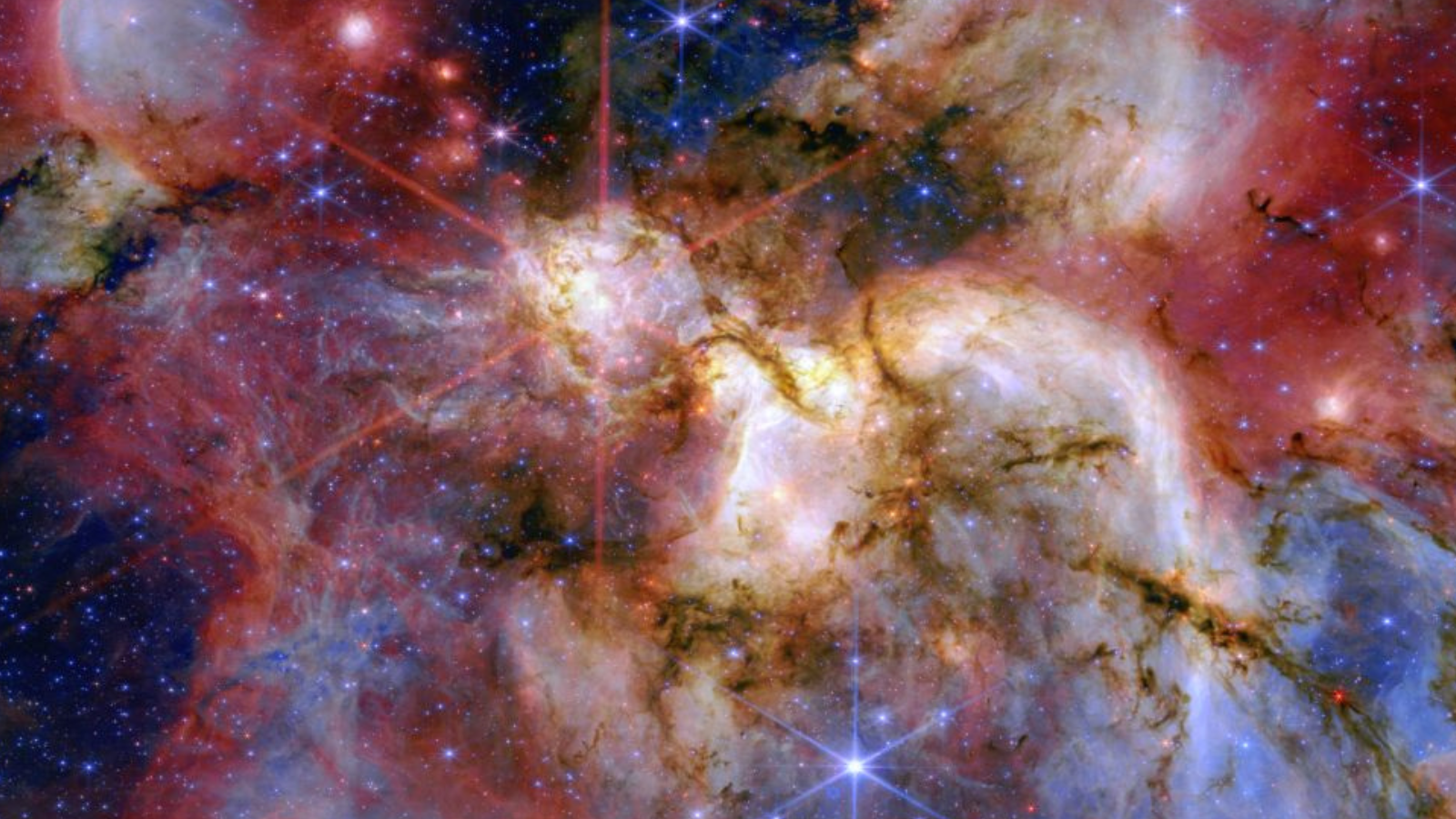
JWST peels back dust to reveal star birth in W51📷 Published: Apr 15, 2026 at 12:17 UTC
- ★17,000 light-years away in Aquila
- ★Infrared imaging uncovers hidden protostars
- ★First high-res look at massive star formation
The James Webb Space Telescope has delivered its sharpest glimpse yet into W51, a dense molecular cloud 17,000 light-years from Earth where massive stars are born. Using its Near-Infrared Camera (NIRCam), JWST pierced the thick dust that has long obscured this region from visible-light telescopes, revealing previously hidden protostars in their earliest stages of formation. The images, published by Space.com, mark a critical step in understanding how stars like our Sun—and far larger—emerge from cosmic gas and dust.
W51 has been a target for astronomers for decades, but its distance and the opacity of its dust clouds have limited observations to radio and submillimeter wavelengths. JWST’s infrared capabilities, however, cut through these barriers, offering a resolution that NASA’s official release describes as “unprecedented for this region.” The telescope’s data not only confirm the presence of young stellar objects but also provide clues about their mass, temperature, and evolutionary stage—details that were previously inferred rather than directly observed.
This observation is part of JWST’s broader mission to study the lifecycle of stars, from their birth in molecular clouds to their eventual death. The telescope’s ability to capture such fine details in W51 aligns with its goal to map the universe’s first stars, a task that requires understanding the conditions under which stars form today. For scientists, the images are less about spectacle and more about filling gaps in a timeline that stretches back to the early universe.
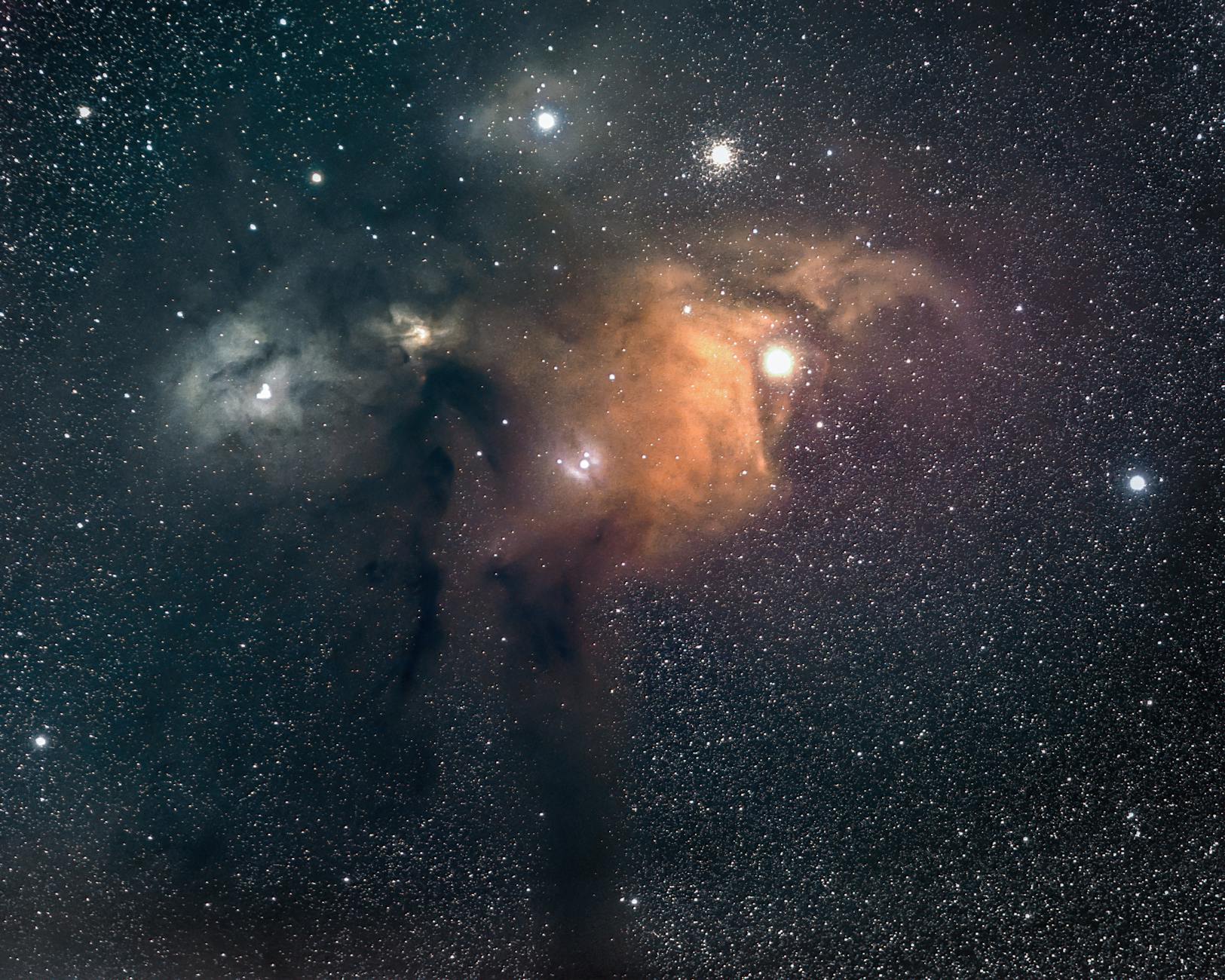
The confirmation that shifts how we map stellar nurseries📷 Published: Apr 15, 2026 at 12:17 UTC
The confirmation that shifts how we map stellar nurseries
What makes W51 particularly significant is its role as a laboratory for studying massive star formation. Stars with masses eight times that of the Sun or greater shape their surroundings through intense radiation and stellar winds, yet their origins remain poorly understood. The new JWST data, combined with observations from ALMA and other telescopes, could help resolve long-standing questions about how these giants form and why their birth rates differ across galaxies.
The findings also underscore the telescope’s unique contribution to multi-wavelength astronomy. While Hubble and ground-based observatories have studied W51 in visible and radio light, JWST’s infrared observations provide a missing piece of the puzzle. As ESA’s JWST project scientist notes, “This is not just about seeing more stars—it’s about seeing them at the right moment in their development.”
The next steps for researchers involve analyzing the spectral data from these images to determine the chemical composition of the protostars and their surrounding gas. This could reveal whether the conditions in W51 are typical of massive star-forming regions or if they hold unique clues about the processes that govern stellar birth. For now, the images serve as a reminder that even familiar cosmic objects can yield new secrets when viewed through the right lens.