Tubi’s ChatGPT integration isn’t about streaming—it’s about AI discovery
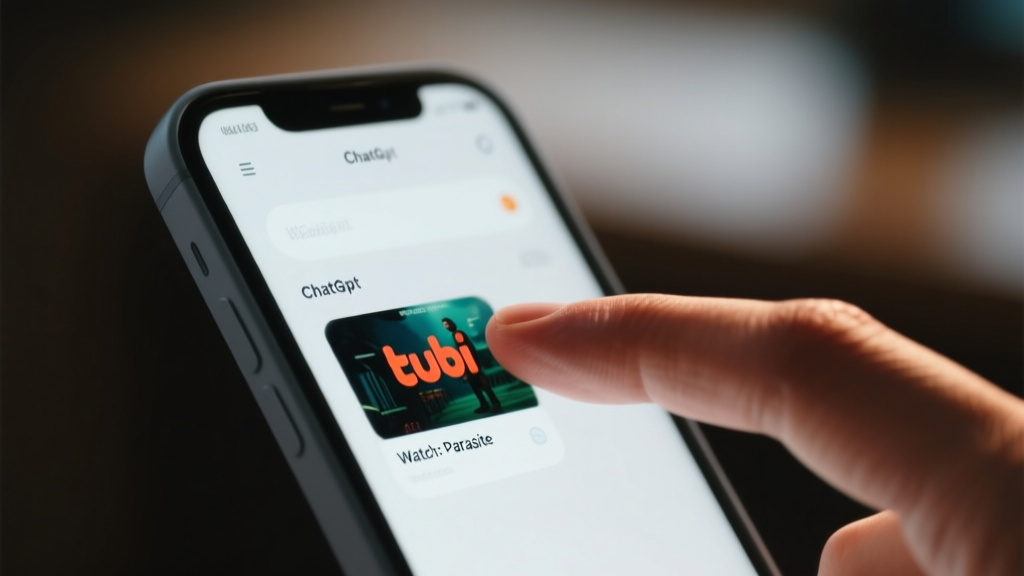
Tubi’s ChatGPT integration isn’t about streaming—it’s about AI discovery📷 Published: Apr 11, 2026 at 24:16 UTC
- ★First native streaming app inside ChatGPT’s ecosystem
- ★AI-driven content discovery bypasses traditional interfaces
- ★Streaming’s next battleground: third-party platform dominance
Tubi’s integration into ChatGPT marks the first time a streaming service has embedded itself natively within an AI interface—not as a gimmick, but as a calculated move to redefine how content is surfaced. The confirmed partnership allows users to interact with Tubi’s library directly through ChatGPT’s chat window, bypassing standalone apps or web browsers. This isn’t just about accessibility; it’s about leveraging AI’s recommendation engines to shape viewing habits before they even reach a streaming platform.
The timing aligns with a broader shift: streaming services are no longer competing solely on exclusive content, but on where and how that content is discovered. Tubi, a free ad-supported service, gains visibility among ChatGPT’s millions of monthly users, many of whom may not actively seek out niche or lesser-known platforms. Early signals suggest the integration enables search, recommendations, and possibly playback initiation—though the exact functionality remains undisclosed.
What’s notable isn’t the technical achievement—native app integrations are increasingly common—but the strategic implication. By embedding itself in an AI layer, Tubi is betting that the future of streaming isn’t owned by Netflix or Disney+, but by the platforms that control the discovery layer itself.

The real signal here is platform dependency, not convenience📷 Published: Apr 11, 2026 at 24:16 UTC
The real signal here is platform dependency, not convenience
This move forces a question: if AI becomes the primary interface for media consumption, what happens to the streaming wars as we know them? The speculation around competitive responses is already underway, with analysts suggesting Netflix or Max could follow suit. But the real bottleneck may not be technical feasibility—it’s whether users will trust an AI’s curation over their own habits or a platform’s algorithm.
For Tubi, the gamble is clear. As a free service, its growth depends on reducing friction between discovery and viewing. ChatGPT’s interface does that by eliminating the need to switch contexts—a psychological hurdle even for ad-tolerant audiences. Yet the long-term play is riskier: if AI platforms like ChatGPT become the default gateway to entertainment, streaming services could find themselves reduced to content providers, with their branding and UX rendered irrelevant.
The broader industry should take note. This isn’t just about Tubi or ChatGPT; it’s about the erosion of direct user relationships. When discovery happens inside an AI, the platform controlling that AI owns the audience—not the streamer.