FDA-cleared Studio Display XDR enters medical imaging workflows
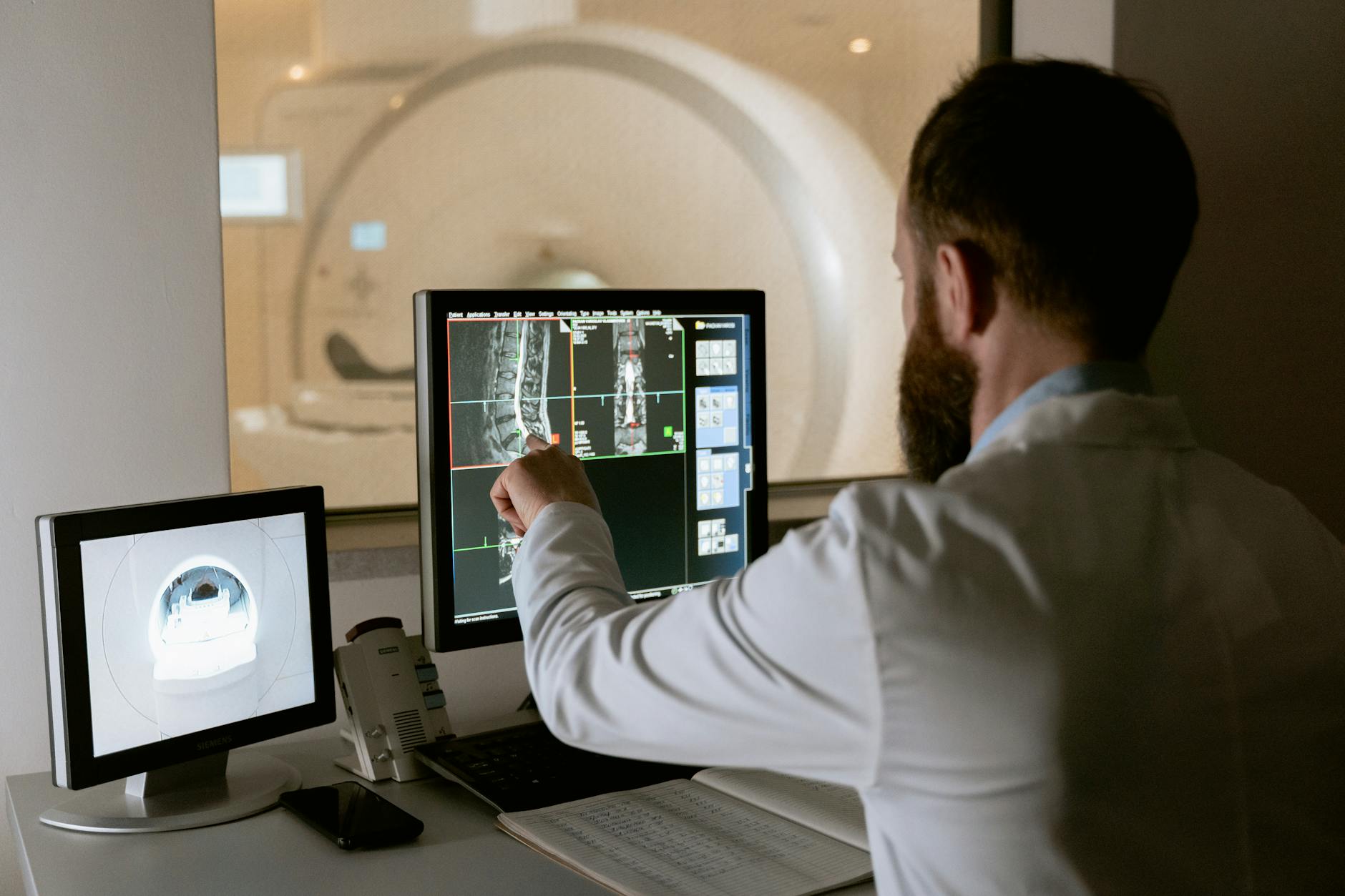
FDA-cleared Studio Display XDR enters medical imaging workflows📷 Published: Apr 6, 2026 at 20:48 UTC
- ★FDA clearance for Apple’s diagnostic-grade display calibration
- ★Radiologists gain macOS-native DICOM compliance this week
- ★First consumer display validated for primary diagnostic use
The U.S. Food and Drug Administration’s clearance of Apple’s Medical Imaging Calibrator for the Studio Display XDR marks a quiet but significant shift: a consumer-grade monitor now meets the rigorous standards for primary diagnostic imaging. This isn’t about repurposing a screen—it’s about Apple embedding DICOM Part 14 compliance into macOS, enabling radiologists to view mammograms, CT scans, and MRIs without dedicated medical workstations.
The timeline is precise. Apple announced the Studio Display XDR in May, detailing the calibrator as a macOS Sonoma feature. Within weeks, the FDA’s 510(k) clearance arrived, confirming the display’s luminance uniformity, grayscale accuracy, and ambient light compensation meet clinical requirements. No other major tech company has secured this validation for a mass-market product.
This matters because diagnostic imaging relies on consistency more than resolution. A radiologist’s ability to distinguish a 1% contrast difference in soft tissue can determine early cancer detection. Apple’s move eliminates the need for specialized (and expensive) Barco or Eizo monitors in some workflows—though those remain the gold standard for high-lumen surgical imaging.
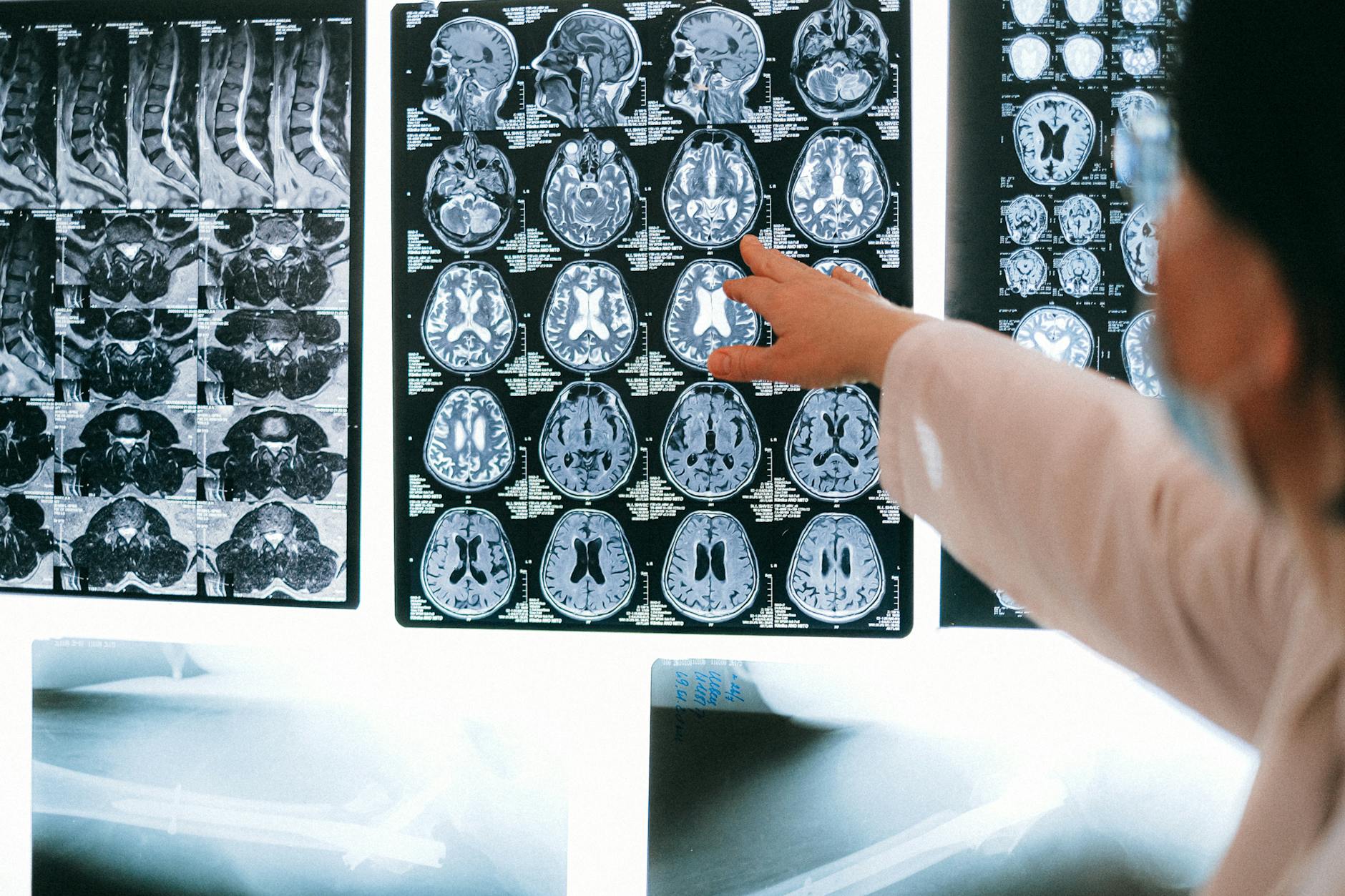
A rare crossover where consumer hardware meets clinical-grade precision📷 Published: Apr 6, 2026 at 20:48 UTC
A rare crossover where consumer hardware meets clinical-grade precision
The scientific significance lies in democratizing access. Small clinics and telemedicine providers often lack the budget for $10,000 medical-grade displays. A $3,500 Studio Display XDR, paired with a Mac Studio, now offers a validated alternative—provided IT teams configure the calibration profiles correctly. Early adopters will likely be teleradiology networks, where portability and cost efficiency outweigh absolute maximum brightness.
What we don’t yet know: whether Apple will pursue global certifications (e.g., CE marking for the EU) or expand support to older Macs. The FDA clearance is U.S.-only for now, and the feature requires macOS Sonoma 14.5 or later. There’s also the question of long-term stability. Medical displays undergo annual recalibration; Apple’s consumer-grade panel must prove it can maintain DICOM compliance over years of use.
The real bottleneck may not be the hardware. Hospitals’ legacy PACS (Picture Archiving and Communication Systems) often resist integration with non-Windows devices. Apple’s success hinges on whether third-party vendors like Epic or Sectra update their software to recognize macOS as a first-class diagnostic platform.