
© NSF–DOE Vera C. Rubin Observatory, Source — Wikimedia Commons📷 Source: Web
- ★11,000 new asteroids
- ★Largest single batch
- ★Vera Rubin Observatory
The Vera C. Rubin Observatory has made a significant discovery, uncovering over 11,000 new asteroids using preliminary data from its early optimization surveys. This finding has been confirmed by the International Astronomical Union's Minor Planet Center (MPC), making it the largest single batch of asteroid discoveries submitted in the past year. According to Phys.org, the discoveries were made possible by the observatory's advanced technology and data analysis capabilities.
The Vera Rubin Observatory is expected to have a transformative impact on our understanding of the solar system, and this discovery is just the beginning. With its ability to detect and track asteroids with unprecedented precision, the observatory will provide valuable insights into the formation and evolution of our solar system. As noted by NASA, the study of asteroids is crucial for understanding the early solar system and the potential risks and opportunities they pose.
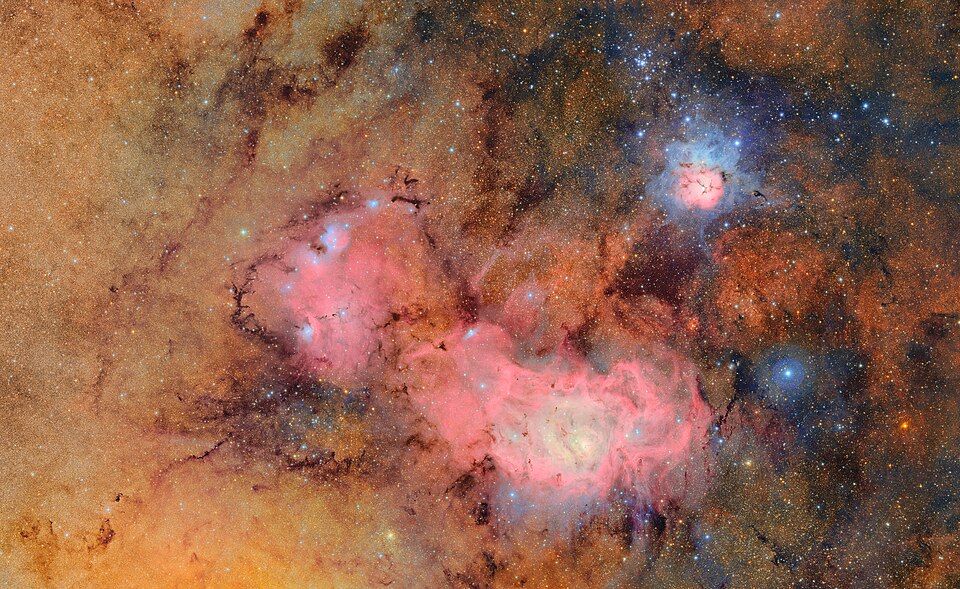
Vera Rubin Observatory Discovers 11,000 Asteroids📷 Source: Web
The significance of this discovery for solar system science
The discovery of these 11,000 new asteroids is a significant milestone for the Vera Rubin Observatory, and it demonstrates the observatory's capabilities and potential for future discoveries. As Space.com reports, the observatory's early optimization surveys have already shown promising results, and the full operations are expected to yield even more exciting findings. The International Astronomical Union's Minor Planet Center (MPC) plays a crucial role in verifying asteroid discoveries, ensuring that the data is accurate and reliable.
The implications of this discovery are far-reaching, and it will likely have a significant impact on our understanding of the solar system. As researchers continue to analyze the data from the Vera Rubin Observatory, we can expect to learn more about the formation and evolution of our solar system, and the potential risks and opportunities posed by asteroids. For more information, visit IAU