ispace’s delayed lander redesign and the quiet race for lunar comms

A top-down overhead bird's-eye view of ispace's lunar lander on the lunar surface, with deep moody shadows and a single accent highlight on the📷 Photo by Tech&Space
- ★Lander redesign pushes U.S. mission to 2026
- ★Lunar satellite constellation targets 2027 deployment
- ★Private sector steps into NASA’s long-term infrastructure gap
When ispace’s U.S. subsidiary quietly shifted its first lunar lander mission from 2025 to no earlier than 2026, the announcement carried more than just another schedule slip. It marked the latest adjustment in a private-sector strategy now explicitly betting on lunar communications infrastructure as the backbone of sustainable exploration—long before NASA’s own Lunar Communications Relay and Navigation System (LCRNS) reaches full operational capacity.
The redesign itself targets improved payload capacity and surface operations, a direct response to lessons from Hakuto-R Mission 1’s 2023 crash. But the parallel reveal of a lunar satellite constellation—slated for 2027—signals a deeper play: ispace isn’t just transporting payloads; it’s positioning itself as a utility provider for an ecosystem where NASA, commercial landers, and even rival nations will need reliable data links.
This isn’t about beating deadlines. It’s about owning the pipes before the traffic arrives. The question isn’t whether private companies can reach the Moon, but whether they can stay there—operationally and economically—while government timelines stretch and contract.
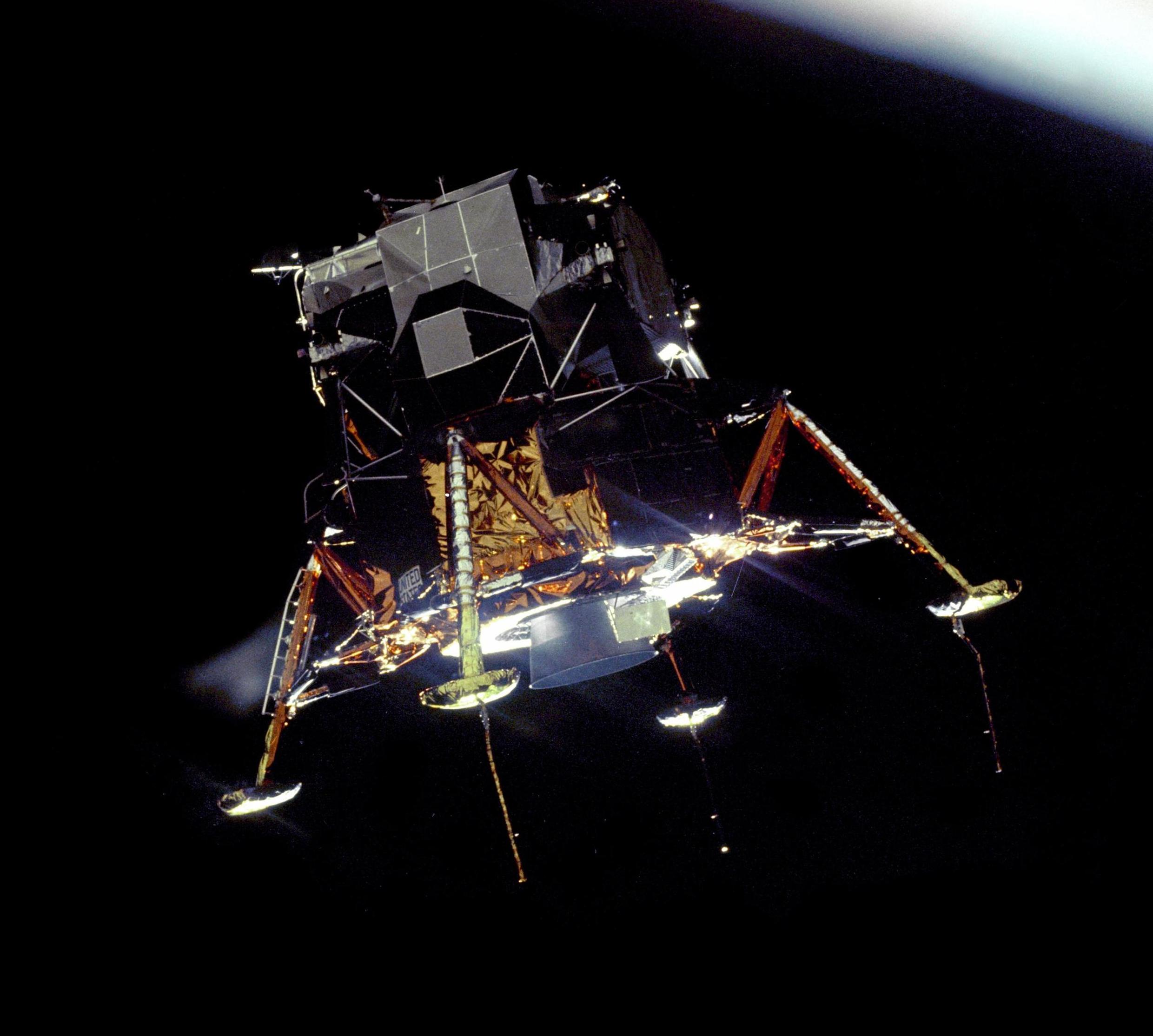
ispace’s delayed lander redesign and the quiet race for lunar comms📷 Photo by Tech&Space
A calculated delay reveals the tension between speed and sustainability in lunar logistics
The delay underscores a broader tension in lunar exploration: the gap between ambition and infrastructure. NASA’s Artemis program has accelerated commercial lander contracts, but its communications network won’t be fully deployed until the late 2020s. ispace’s constellation, if successful, could fill that void—turning a liability (delayed missions) into an asset (first-mover advantage in lunar comms).
Scientifically, reliable lunar communications aren’t just about talking to rovers. They’re about real-time data from the far side, precise landing coordination, and eventually, human operations beyond line-of-sight. The European Space Agency’s Moonlight initiative and China’s Queqiao relay satellites are already in motion, but ispace’s commercial model—selling bandwidth to multiple players—could redefine how lunar science is funded.
What’s still unclear: whether the market will materialize fast enough. NASA’s Commercial Lunar Payload Services (CLPS) program has faced its own delays, and without steady demand, even the best-laid comms networks risk becoming stranded assets. The real test isn’t the 2026 lander, but the 2027 constellation—and whether ispace can convince customers that lunar logistics are worth the investment before the first Artemis astronauts set foot on the surface.