Galaxy's Rapid Fade Rewrites Black Hole Evolution Timeline
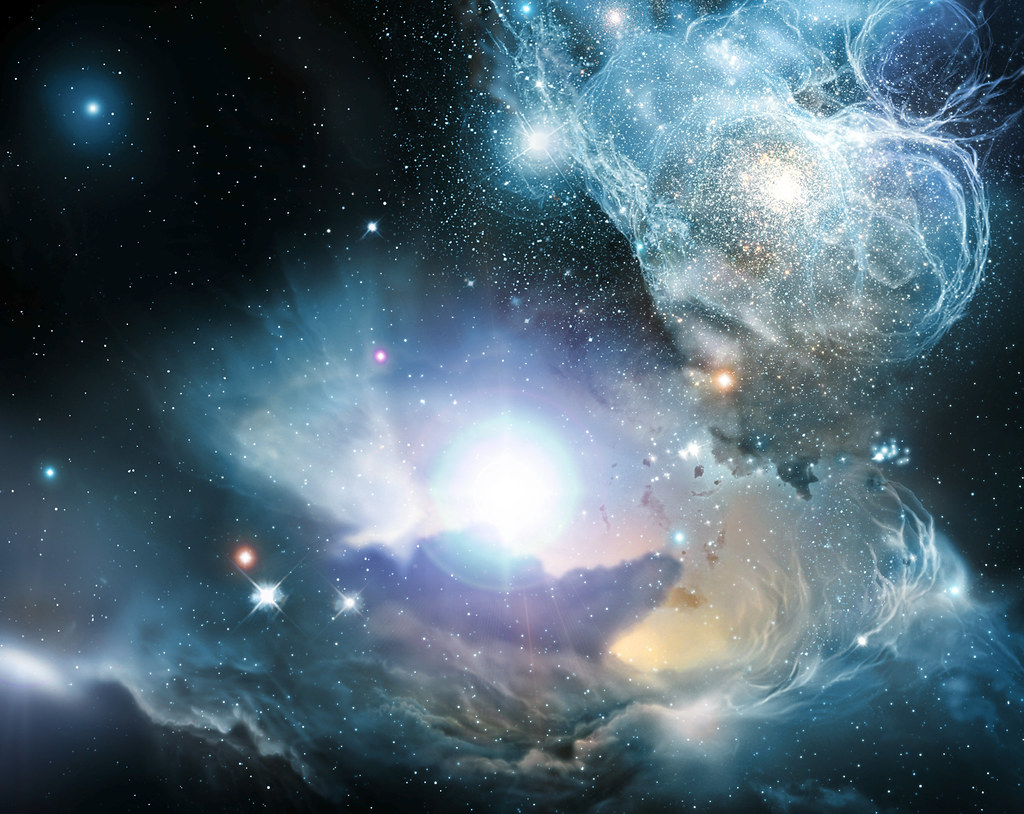
Galaxy's Rapid Fade Rewrites Black Hole Evolution Timeline📷 NASA Goddard Photo and Video / nasa (via Openverse)
- ★Brightness collapsed to one-twentieth in 20 years
- ★Gas flow to black hole decreased rapidly
- ★Challenges supermassive black hole evolution models
The discovery forces astronomers to reconsider how quickly supermassive black holes can change their feeding behavior. An international team led by researchers at the Chiba Institute of Technology documented the phenomenon using multiwavelength observations combined with archival data spanning decades. The galaxy, situated approximately 10 billion light-years from Earth, dimmed from its original brightness to just five percent of that level within 20 years—an astronomical blink of an eye.
The cause, according to research published in Monthly Notices of the Royal Astronomical Society, was a rapid decrease in the gas flowing into the supermassive black hole at the galaxy's center. This finding challenges the long-held assumption that active galactic nuclei evolve on timescales of millions of years. Instead, dramatic changes can occur within human observational windows. The research team combined data from multiple observatories to reconstruct the galaxy's brightness history.
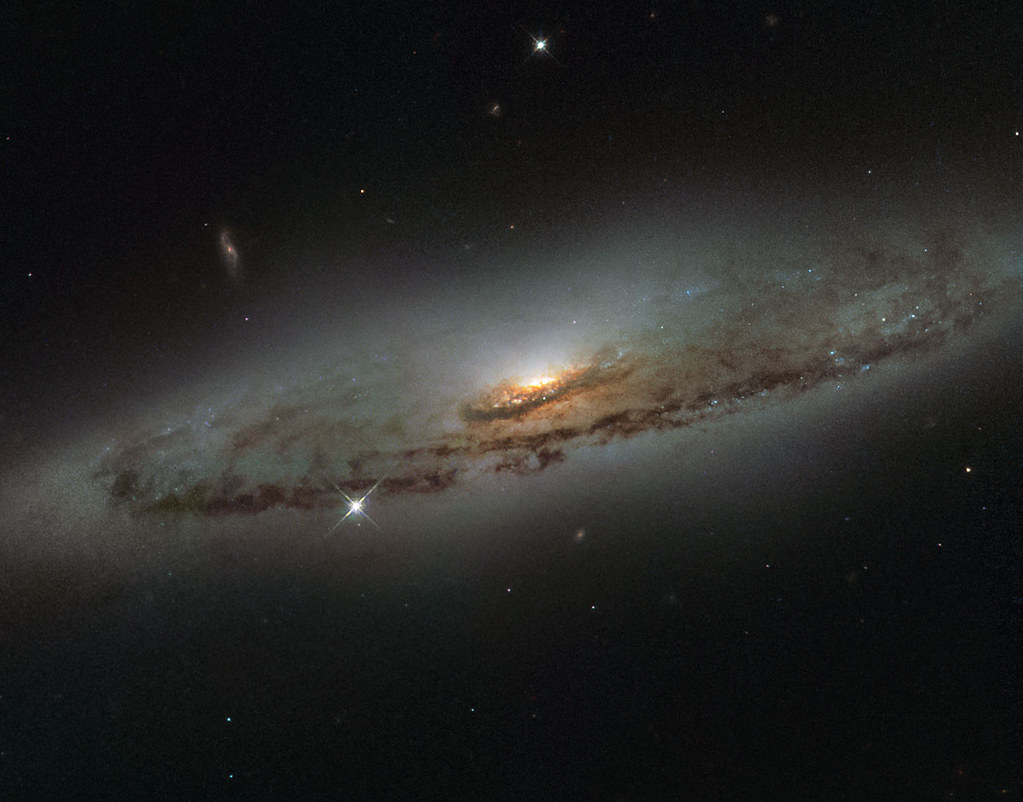
The timeline for black hole activity just got dramatically shorter📷 Published: Mar 27, 2026 at 12:06 UTC
The timeline for black hole activity just got dramatically shorter
What makes this observation significant is the compressed timescale. Supermassive black holes were thought to be relatively stable over decades, with brightness fluctuations occurring gradually over millennia. This galaxy's rapid fade demonstrates that the accretion process—the flow of matter into the black hole—can shut down with remarkable speed.
The implications extend beyond this single object. If supermassive black holes can transition from bright active states to quiescence within decades, astronomers may need to revise models of galactic evolution. Archival observations from X-ray observatories like Chandra will prove essential for identifying similar cases that may have gone unnoticed. Multiwavelength surveys could reveal whether this galaxy represents a rare event or the first documented case of a more common phenomenon.