
Biodegradable Robot Finger Turns to Soil📷 Published: Mar 20, 2026 at 12:00 UTC
- ★Fully compostable robotic finger developed
- ★Dissolves safely into nutrient-rich soil
- ★Response to global electronic waste crisis
The global electronic waste crisis has found an unlikely ally: a robotic finger designed to disappear. Researchers have developed a fully biodegradable soft robot that can perform complex tasks during its functional life, then safely decompose into nutrient-rich soil. It is a quiet engineering answer to a mounting environmental problem. What makes this development significant is not just the biodegradability, but the combination of durability and controlled decay. The robotic finger maintains structural integrity during operation—handling whatever tasks it was built for—before breaking down completely. According to NotebookCheck, the material dissolves into soil that can actually support plant growth. This matters because soft robotics has long promised adaptable, safer machines for human interaction, but the environmental cost of discarded components remained unaddressed. Electronic waste represents one of the fastest-growing waste streams globally, and traditional robotics contributes to that burden with components that persist for decades.
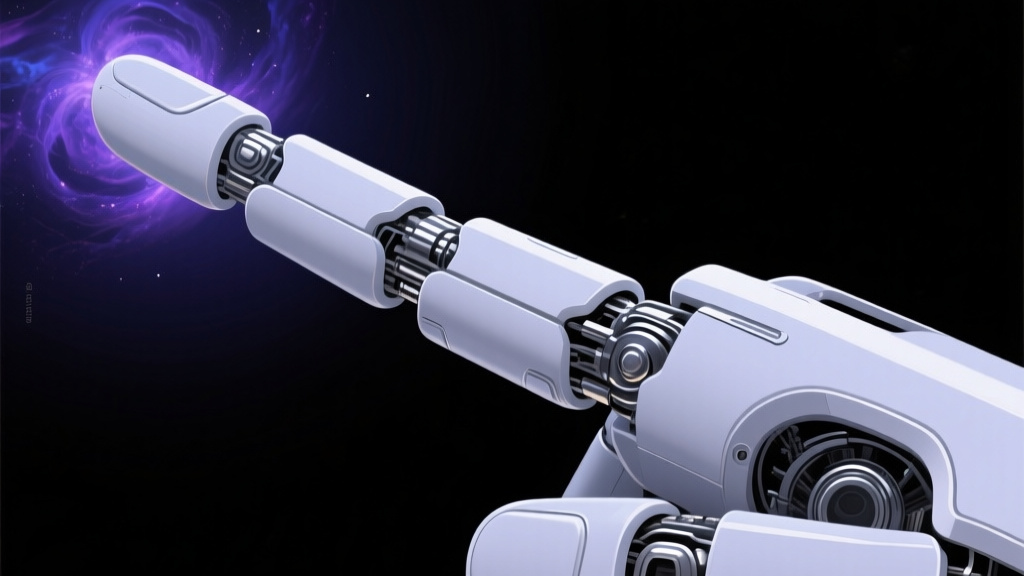
Why durability and decay belong together📷 Published: Mar 20, 2026 at 12:00 UTC
Why durability and decay belong together
The scientific significance lies in the material engineering itself. Creating a substance that is both durable enough for robotic applications and fully compostable represents a genuine technical tension. Most biodegradable materials sacrifice strength; most durable materials resist breakdown. This development bridges that gap with what researchers describe as high durability during use. Early signals suggest the technology could reshape how we think about temporary robotics—sensors deployed in sensitive environments, medical devices designed for single use, or exploration units meant to leave no trace. The potential applications in environmental conservation remain speculative, but the foundational capability is now confirmed. What we do not yet know is the scalability of this material, its performance across different environmental conditions, or its cost relative to conventional components. Those questions will determine whether this remains a laboratory achievement or becomes a practical shift in robotic design philosophy. The research fits into a broader movement toward sustainable engineering, where end-of-life considerations are built into the design from the beginning.