Agibot ships 10,000 humanoids: scale meets skepticism
Agibot ships 10,000 humanoids: scale meets skepticism📷 Published: Apr 20, 2026 at 14:09 UTC
- ★10,000 units built at scale
- ★Embodied intelligence focus
- ★Gap between demo and real use
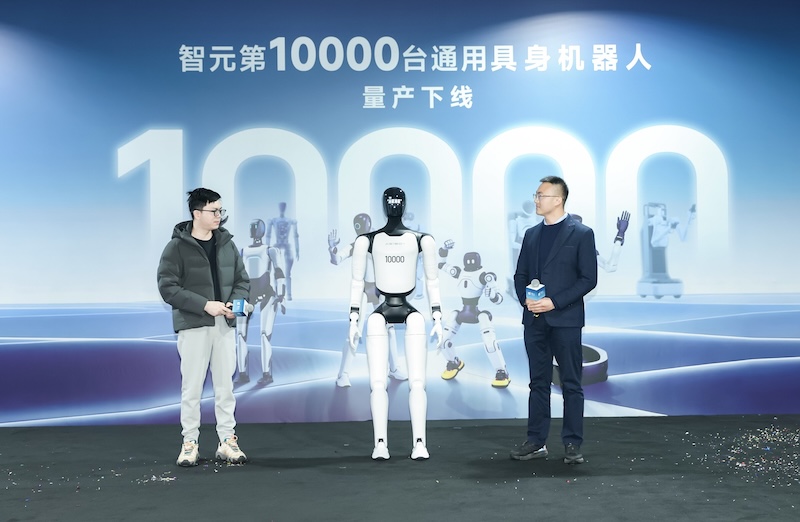
Agibot has shipped its 10,000th humanoid robot, a milestone few companies have matched at this scale. The Shenzhen-based firm specializes in embodied intelligence, blending AI control systems with physical robotics. While most rivals remain in prototype phase, Agibot’s output suggests commercial traction beyond controlled demos.
The 10,000-unit count isn’t merely a production record—it’s a signal that humanoid robots are entering early industrial adoption. Agibot’s robots target logistics, manufacturing, and healthcare, where repetitive tasks dominate. Still, the shift from validation to deployment remains uneven across sectors.
According to Robotics & Automation News, the milestone reflects growing demand for deployable automation. This demand isn’t theoretical; it’s measurable in orders and installations. Yet the gap between marketing and operation persists.
Agibot’s approach focuses on modular designs to reduce customization costs. Their robots integrate with existing workflows, but true scalability depends on hardware durability and software adaptability.
Demo finished. Reality starts now📷 Published: Apr 20, 2026 at 14:09 UTC
Demo finished. Reality starts now
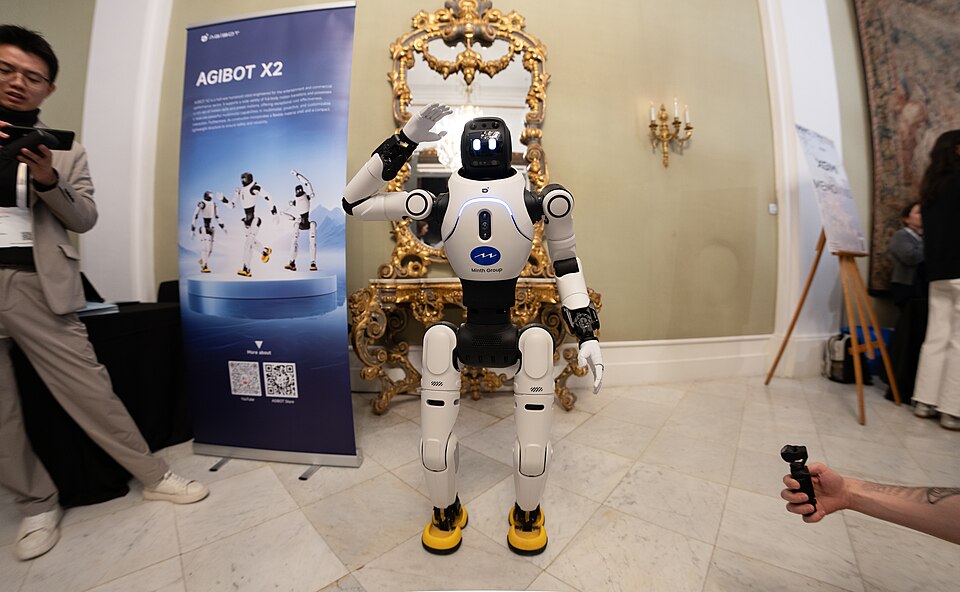
Hardware limits emerge quickly in deployment. Humanoid robots require robust actuators, power efficiency, and fail-safes for unstructured environments. Agibot’s units operate at 12–16 hours per charge, but battery life remains a bottleneck. Safety certifications are another hurdle, particularly in shared workspaces.
Real-world use cases are concentrated in controlled settings like warehouses or clinics. Outside these zones, environmental unpredictability exposes gaps in perception and mobility. The company’s growth hints at commercial viability, but widespread adoption demands flawless 24/7 performance.
Industry watchers note that Agibot’s success could lower costs for competitors. If embodied intelligence scales, the next wave may prioritize niche specializations over generalized humanoids.
Regardless of scale, deployment demand still outstrips actual utility in most sectors.
Can these robots handle a factory floor’s humidity, a hospital’s sterilization cycles, or a warehouse’s inventory chaos? The answer still waits in the wings.