Bird-like drones flap past demo hype into real skies
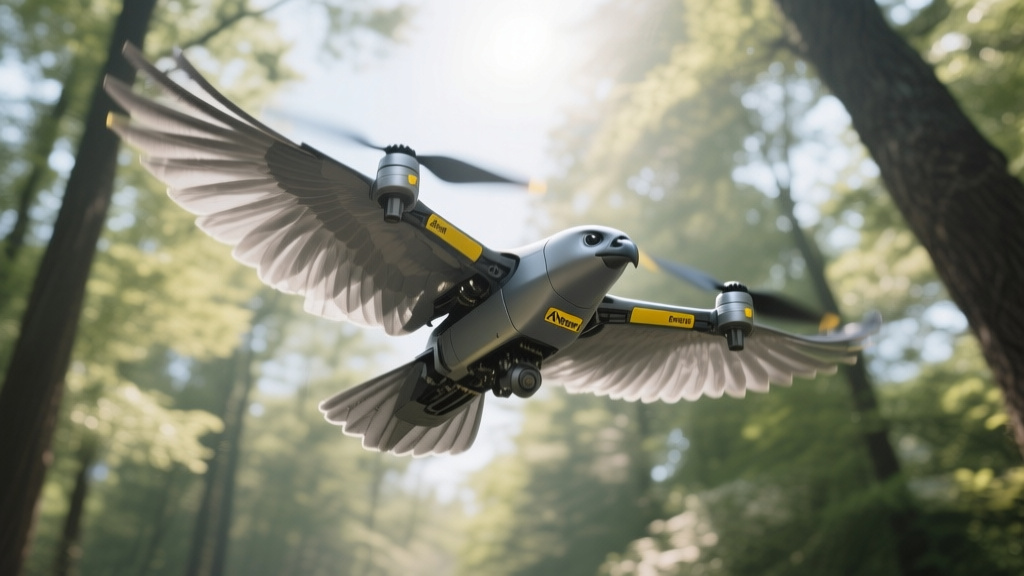
Bird-like drones flap past demo hype into real skies📷 Published: Apr 15, 2026 at 08:09 UTC
- ★Rutgers engineers ditch motors for electricity-driven wings
- ★Crosswind stability without spinning blades
- ★Demo videos won’t fly in rain or high winds
Rutgers University engineers have built a drone that doesn’t just look like a bird—it flies like one, too. By replacing conventional electromagnetic motors with electricity-driven materials, the team has created wings that flex, twist, and respond to wind in real time, mimicking the instant adjustments of a sparrow in a crosswind. The result is a machine that promises greater maneuverability than quadcopters, without the noise or blade hazards of spinning rotors. Yet the demo videos, shot in controlled indoor spaces, tell only half the story.
The real test begins when these drones leave the lab. Current prototypes rely on lightweight, energy-dense materials that are sensitive to moisture, temperature fluctuations, and physical wear. A single raindrop or gust beyond the design envelope could disrupt the delicate balance of wing articulation, turning a graceful glide into an uncontrolled tumble. For now, the technology remains a proof of concept, with no public data on flight endurance, payload capacity, or failure rates in real-world conditions. The gap between a polished demo and a deployable product is where most bio-inspired robotics stumble—and this one is no exception.
Still, the potential is undeniable. Unlike fixed-wing drones, which require long runways or catapults, or multicopters, which drain batteries in minutes, bird-like designs could offer a middle ground: efficient long-duration flight with the agility to navigate tight urban spaces. The question isn’t whether the technology works—it’s whether it can survive the messiness of the real world. TechXplore reports the breakthrough, but the engineering challenges ahead are far less glamorous than the videos suggest.
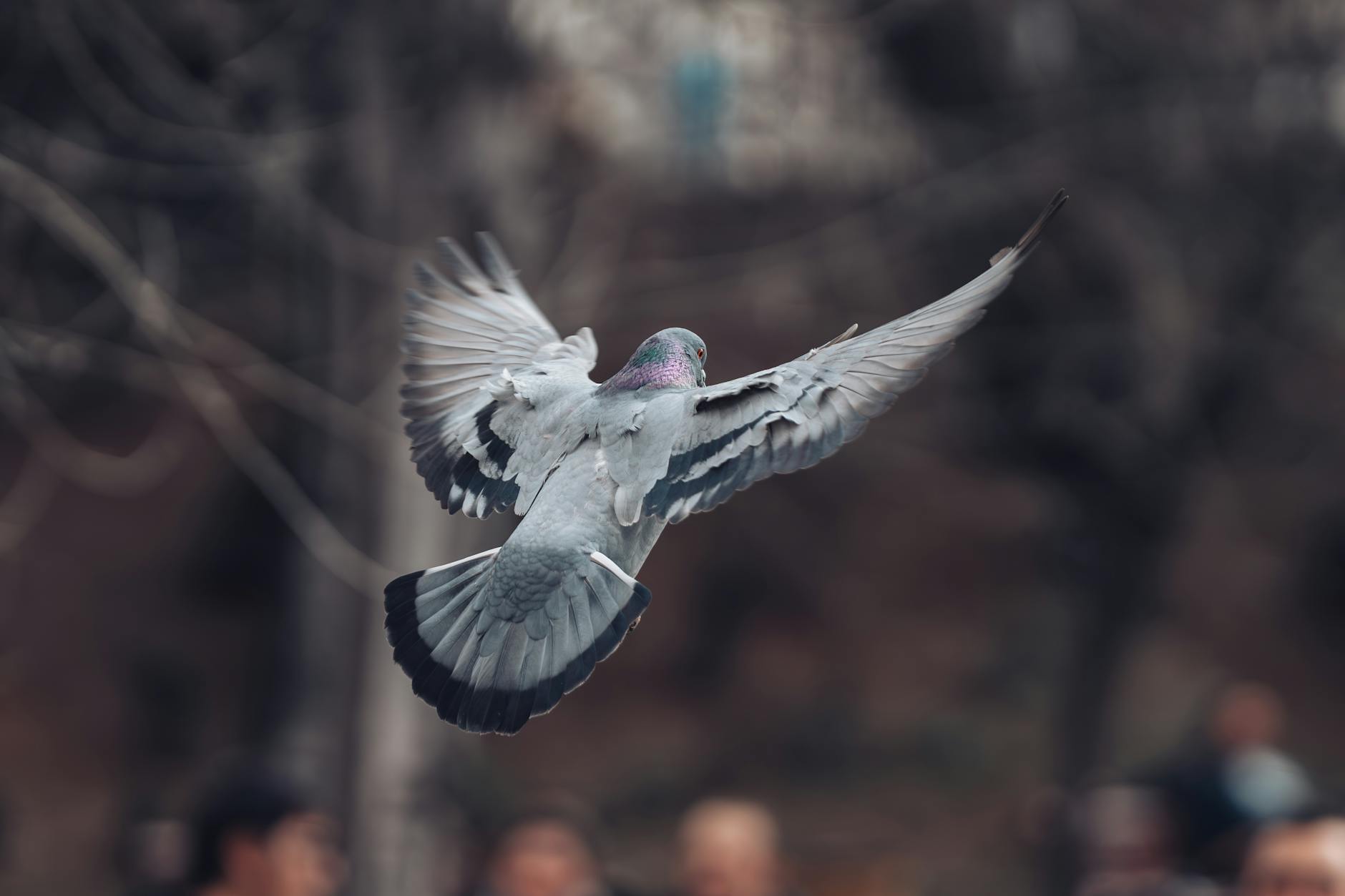
The hardware limit nobody mentions in the demo📷 Published: Apr 15, 2026 at 08:09 UTC
The hardware limit nobody mentions in the demo
So who actually needs this? The most plausible early adopters aren’t consumers or hobbyists, but industries where conventional drones fall short. Search-and-rescue teams operating in dense forests or collapsed buildings could benefit from a drone that can perch, pivot, and squeeze through gaps. Environmental researchers monitoring wildlife might deploy bird-like drones to blend in with flocks, reducing disturbance. Even package delivery in urban canyons—where wind tunnels and tight alleys make quadcopters impractical—could see a use case, provided the drones can carry more than a few ounces of payload.
The hardware limits, however, are stark. Current prototypes lack the power density to lift significant weight, and the electricity-driven materials degrade faster than traditional motors under repeated stress. Battery life remains a bottleneck, with no clear path to scaling up energy storage without sacrificing the very agility that makes the design compelling. Certification is another hurdle: aviation regulators have no framework for flapping-wing drones, and existing rules for fixed-wing or rotary UAVs don’t apply. Until these issues are addressed, the technology will remain confined to controlled environments, far from the skies it’s meant to conquer.
The real signal here isn’t the demo—it’s the quiet work happening behind the scenes. Companies like BionicBird and Festo’s BionicSwift have explored similar concepts, but none have yet cracked the code for reliable, scalable deployment. Rutgers’ approach may edge closer, but the path from lab to field is littered with the carcasses of bio-inspired robots that looked perfect on paper—and failed in practice.
What happens when the first bird-like drone crashes into a tree during a rainstorm? Does the team have a plan for replacing worn-out wings in the field, or will these machines remain lab-bound curiosities? The real deployment barrier isn’t the technology—it’s the logistics of keeping it airborne when the world refuses to cooperate.