Robotaxi remote interventions: The transparency black box
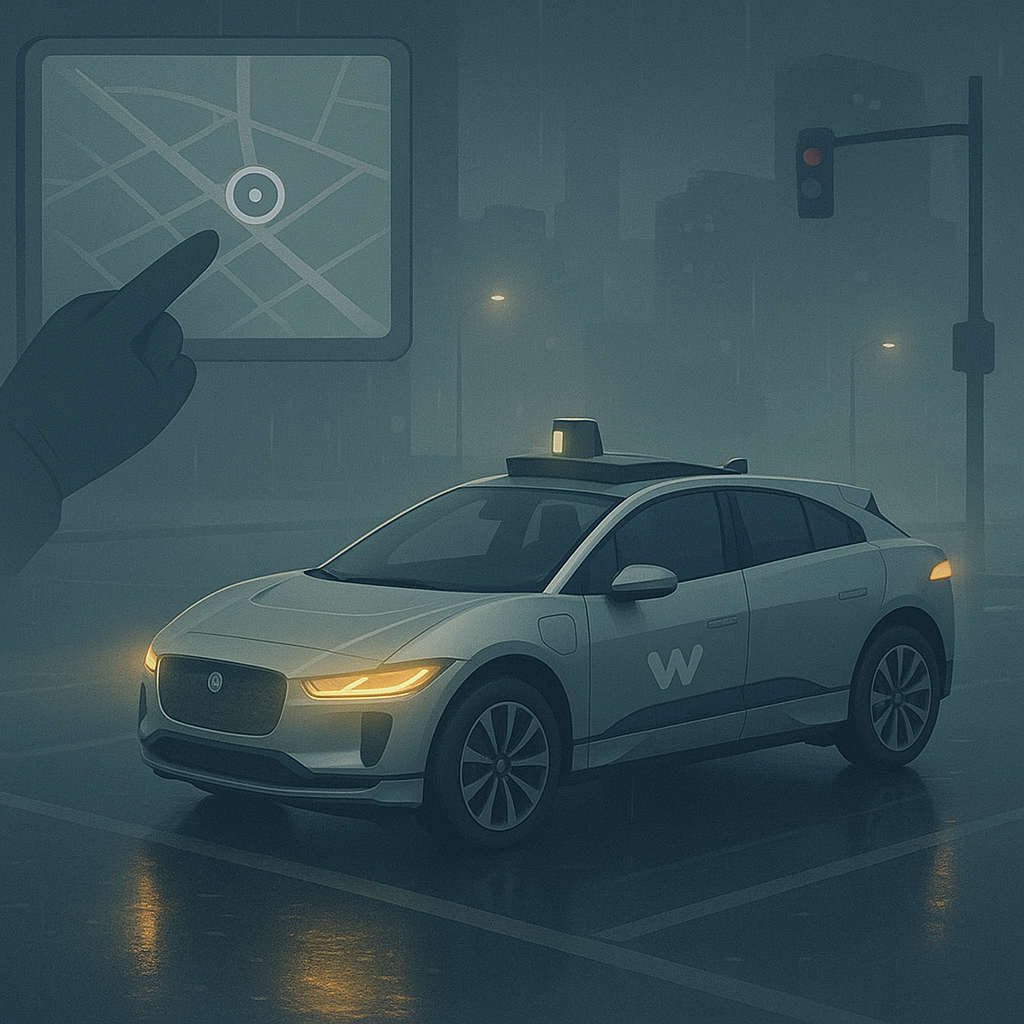
Robotaxi remote interventions: The transparency black box📷 Published: Apr 6, 2026 at 20:29 UTC
- ★Senator Markey demands undisclosed intervention rates
- ★Remote operators remain a hidden safety net
- ★Regulatory scrutiny targets demo-vs-deployment gaps
Autonomous vehicle companies are selling a vision of hands-off mobility, but their silence on remote operator interventions reveals a critical dependency. Senator Ed Markey’s investigation into robotaxi firms—including Cruise, Waymo, and Zoox—exposes a pattern: these companies refuse to disclose how often human operators must step in to prevent failures. The gap between demo-ready autonomy and real-world deployment has never been clearer.
Remote assistance isn’t a backup; it’s a core feature masked as an edge case. Industry reports suggest interventions occur far more frequently than companies admit, yet none provide hard numbers. This opacity isn’t just about optics—it’s a liability. If remote operators are essential to safety, their frequency and conditions should be part of the public record, not a trade secret.
The marketing narrative insists these systems are ‘self-driving,’ but the fine print reveals a hybrid model: human oversight at scale. That’s not a flaw—it’s a reality check. The question isn’t whether remote intervention works, but whether it can scale without eroding trust or inflating costs.
From polished demos to real-world reliance: the numbers they won’t share📷 Published: Apr 6, 2026 at 20:29 UTC
From polished demos to real-world reliance: the numbers they won’t share
For all the talk of AI-driven autonomy, the hardware and operational limits remain stubbornly analog. Remote operators don’t just fix software glitches; they compensate for sensing gaps, unpredictable environments, and the sheer complexity of urban driving. Each intervention is a data point proving the system isn’t fully closed-loop—yet companies treat these moments as proprietary.
Regulatory pressure is mounting, but the industry’s response has been deflection. Waymo’s 2023 safety report buries intervention metrics in vague language, while Cruise’s paused operations in California highlight the risks of overpromising. The real bottleneck isn’t the tech—it’s the refusal to acknowledge that ‘autonomy’ today is a spectrum, not a binary.
The irony? Transparency about remote assistance could actually accelerate adoption. If companies admitted these systems are semi-autonomous by design, they’d set realistic expectations—and avoid the backlash when demos collide with reality. Instead, they’re betting on silence, and that’s a riskier strategy than any algorithm.