Space-ready soft robots still need a reality check
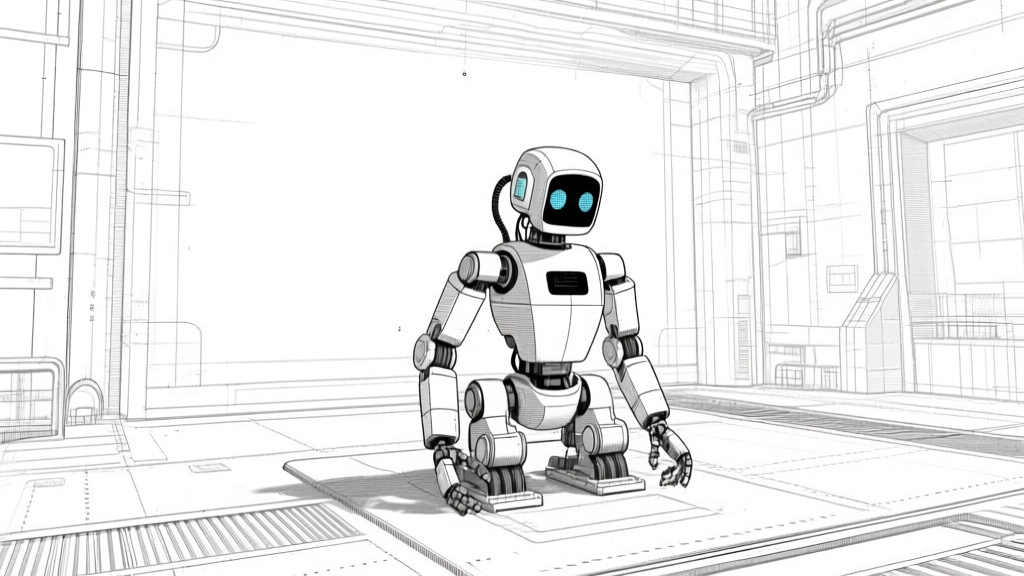
Space-ready soft robots still need a reality check📷 Source: Web
- ★Resilient actuator targets extreme-environment durability
- ★Demo vs. deployment gap remains wide
- ★No clear path to mass production yet
A resilient actuator designed for soft robots in extreme environments—space, deep sea, or polar regions—promises to solve two persistent problems: durability under stress and rapid adaptation to unpredictable conditions. The core claim, per TechXplore’s report, is that this actuator can withstand harsh conditions without the fragility of earlier prototypes. That’s a meaningful step forward—if it holds up outside the lab.
But here’s the catch: no independent testing data, no named institution, and no timeline for real-world trials. The research community has seen actuators fail under thermal cycling, radiation, or prolonged pressure before. This one may avoid those pitfalls, but until it’s strapped to a NASA payload or a deep-sea ROV, the ‘space-ready’ label is premature.
The actuator’s adaptability is the other selling point—rapid response to dynamic environments, like shifting debris or sudden temperature swings. That’s useful for inspection robots in orbital stations or underwater pipelines. Yet adaptability in a controlled demo isn’t the same as reliability during a six-month Mars mission, where repair isn’t an option.
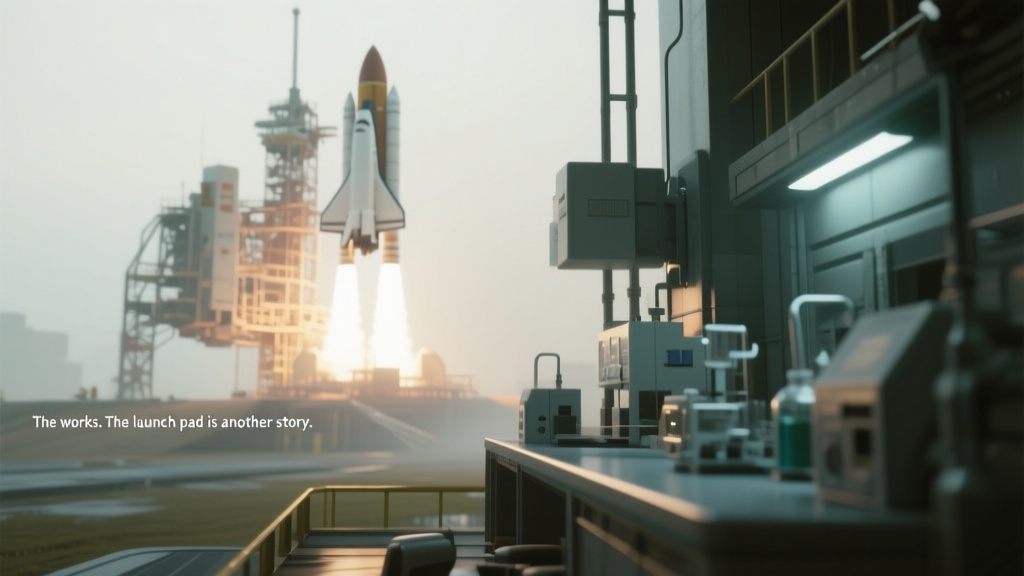
The lab works. The launch pad is another story.📷 Source: Web
The lab works. The launch pad is another story.
Let’s talk hardware limits. Soft robots already struggle with payload capacity and power efficiency; adding resilience often means trading off flexibility or speed. If this actuator uses novel materials—say, self-healing elastomers—those come with their own constraints: cost, scalability, and long-term degradation under UV or cosmic rays.
Then there’s the scale-up friction. Even if the actuator works in a prototype, mass-producing it for commercial space applications means passing NASA’s TRL-9 certification—a gauntlet of thermal vacuum tests, vibration trials, and radiation exposure. No startup or lab has cracked that yet for soft robotics.
The most plausible near-term use? Inspection drones in controlled extreme environments, like nuclear reactors or offshore wind farms, where humans can still intervene. For autonomous lunar bases or deep-sea mining, we’re still waiting for the hardware that doesn’t just survive the demo—but the decade.