AI isn’t replacing farmers—it’s making them system architects
AI isn’t replacing farmers—it’s making them system architects📷 Source: Web
- ★AI shifts farmers from labor to fleet managers
- ★Workforce shortages meet autonomous weeding bots
- ★Battery life and mud remain the unsexy bottlenecks
The Blue River See & Spray robot—now deployed on over 10 million acres—doesn’t just reduce herbicide use by 90%. It forces a question: When the machine handles the spraying, what’s left for the farmer to do? Early adopters report spending less time behind the wheel and more time interpreting soil analytics dashboards and troubleshooting RTK GPS drift. That’s the shift in action—from operator to overseer, from dirt under nails to data under glass.
The marketing narrative sells this as ‘farming reimagined,’ but the real story is in the deployment logs. John Deere’s autonomous tractor isn’t stymied by AI—it’s limited by the same things that ground drones: FCC bandwidth allocations for rural 5G, the cost of LiDAR arrays that fog up in high humidity, and the fact that no amount of computer vision can compensate for a flat tire in a muddy field at 3 AM.
According to available information, the tools work—but only if you ignore the support infrastructure they demand. A Carbon Robotics laser-weeder might cut labor costs, but it also requires a $100K upfront investment and a technician on call when the NVIDIA Jetson overheats in 100°F heat. The gap isn’t between ‘old farming’ and ‘new farming.’ It’s between the demo reel and the service contract.
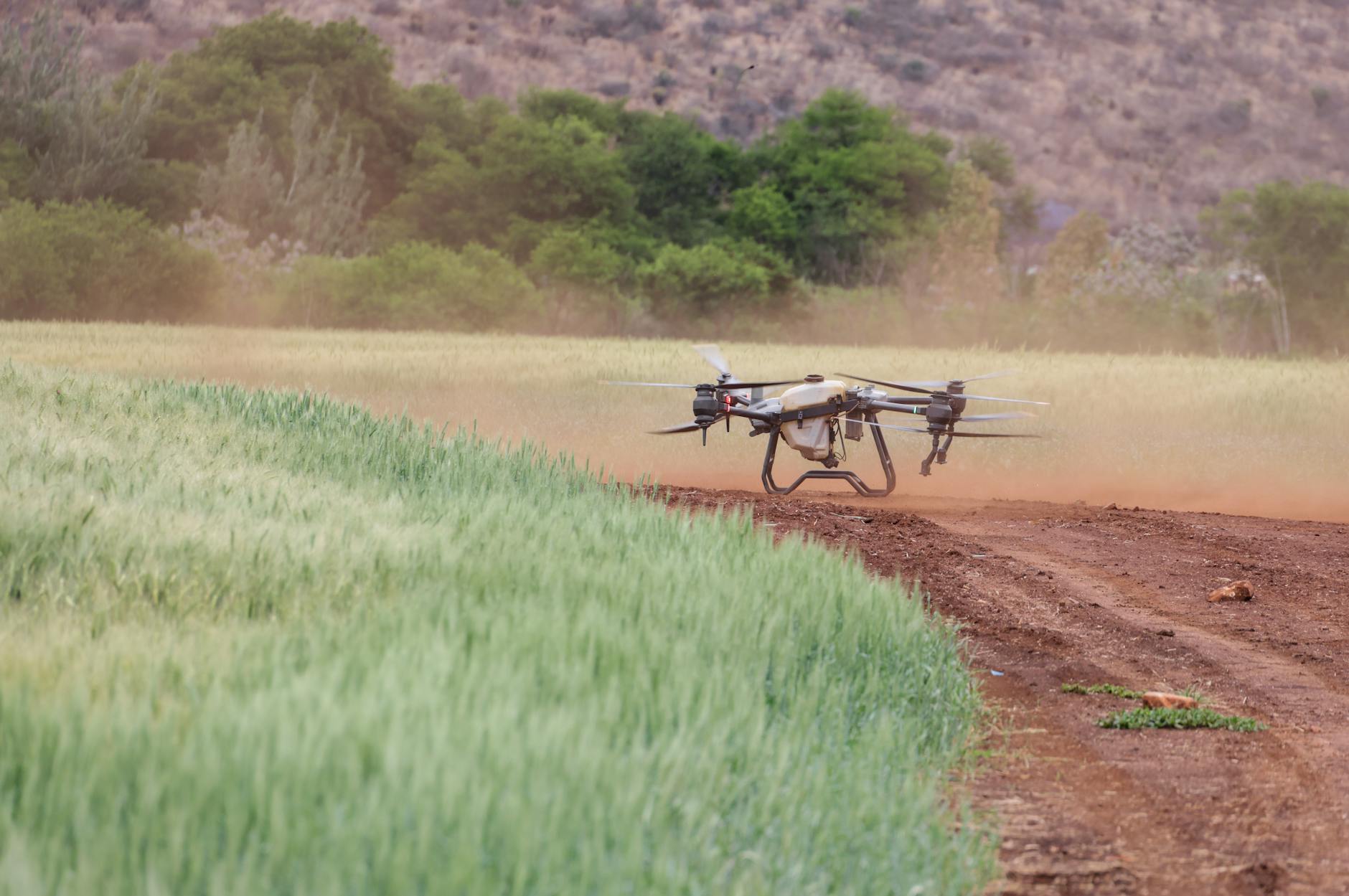
Demo finished. Reality starts now: the gap between lab and field📷 Source: Web
Demo finished. Reality starts now: the gap between lab and field
The genuine use cases are narrower than the hype suggests. Small Robot Company’s Tom v3.0 bot isn’t replacing combine harvesters—it’s handling precision drilling on UK farms where labor shortages are acute and fields are small enough to justify the £20/ha operating cost. Scale that to a 5,000-acre Midwest operation, and the math collapses under battery-swap logistics and the fact that no one’s solved autonomous refueling for diesel machines yet.
Safety improvements are real but incremental. Monarch Tractor’s MK-V claims to eliminate rollover deaths, but its 360° camera suite still struggles with dust obscuration—a problem NASA’s Mars rovers also face, albeit with fewer legal liabilities. The harder truth? Most ‘safety gains’ come from removing humans from the equation entirely, which raises its own liability questions when a $300K machine plows into a fence.
For all the noise about ‘sustainability,’ the actual story is energy tradeoffs. A dying battery mid-field means a diesel truck rolls out to rescue the ‘zero-emission’ bot. The real signal here is that AI isn’t making farming easier—it’s making it more capital-intensive and data-dependent, with a steeper learning curve for the humans who now need to debug Python scripts instead of carburetors.