NeurOSmart: When Robot Brains Meet Real Factory Floors
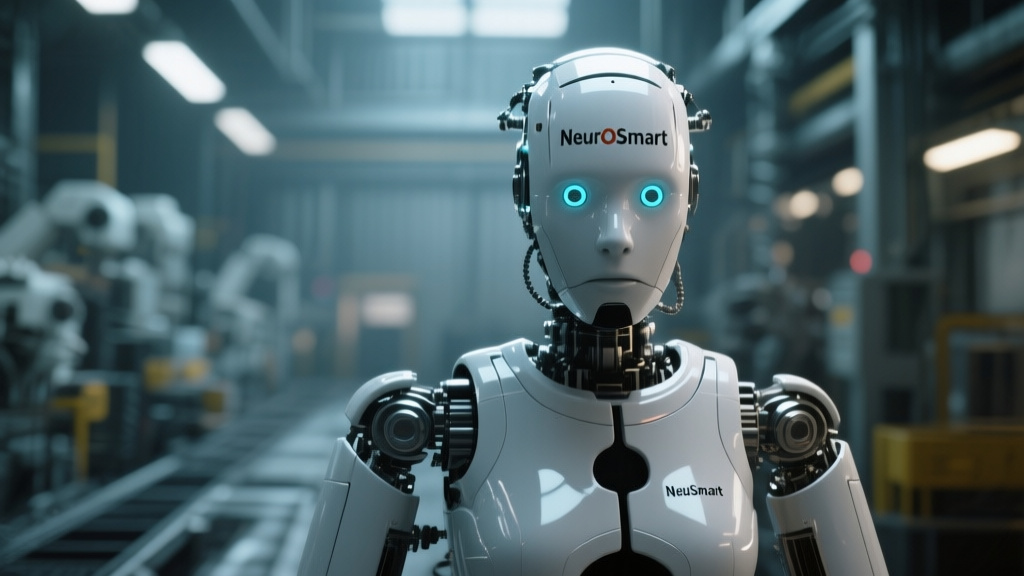
NeurOSmart: brain-like chips and LIDAR, but the floor still wins📷 Published: Mar 30, 2026 at 04:20 UTC
- ★Brain-like chips and LIDAR improve safety
- ★Certification matters more than the demo
- ★Wet floors are the real benchmark

Fraunhofer’s NeurOSmart project tries to combine neuromorphic chips with LIDAR so robots can work more safely around people. That combination makes sense because it keeps perception local and fast, instead of relying on cloud latency or a remote fallback to save the day. TechXplore frames the idea well: lower latency, better situational awareness, and fewer industrial collisions.
But a factory is not a lab, and Fraunhofer knows that. Dust, humidity, reflections, uneven floors, and people moving outside the script turn a neat demo into a much harder system to repeat. The broader context of neuromorphic computing is promising too, but the real question is whether it stays useful once the hardware is bolted onto a real production line.
The key challenge is not only scaling, but scaling without losing trust. If the system is safe only in perfect conditions, it is still just a demonstrator. Real value appears only when it can hold up in actual manufacturing, where safety margins are not academic notes but expensive operational constraints.
That is what makes NeurOSmart interesting: it sits at the intersection of advanced perception and hard industrial accountability. A robot that “understands” the space means little unless the operator, the inspector, and the certification process can trust it too.
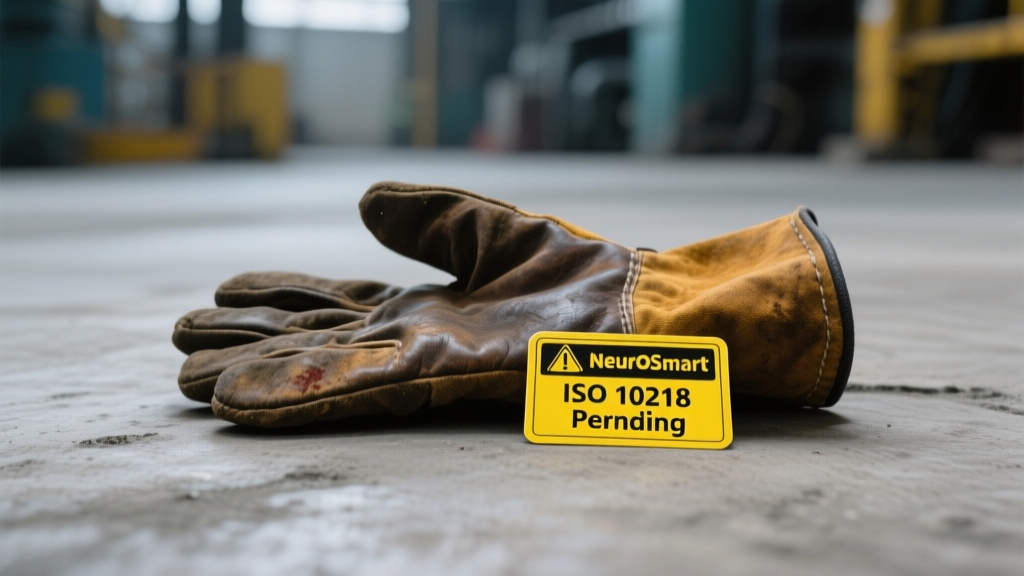
Safety does not stop at the lab door📷 Published: Mar 30, 2026 at 04:20 UTC
Safety does not stop at the lab door
Integration costs matter just as much as safety. Neuromorphic chips, sensors, extra control layers, and real-time response software all make deployment more complicated. That means more testing, more maintenance, and more places where the project can slow down.
That is why a wet floor is a better benchmark than a launch video. If the robot can cooperate with humans in a chaotic space, it is serious. If it cannot, it is another reminder that industrial robotics must pass through dirty physics, not just pretty renderings.
NeurOSmart is a valuable direction, but it still has to prove it can survive more reality. Until that happens, the demo is only the beginning, not the evidence that the job is done.