Unitree’s humanoid data is useful only if it survives reality
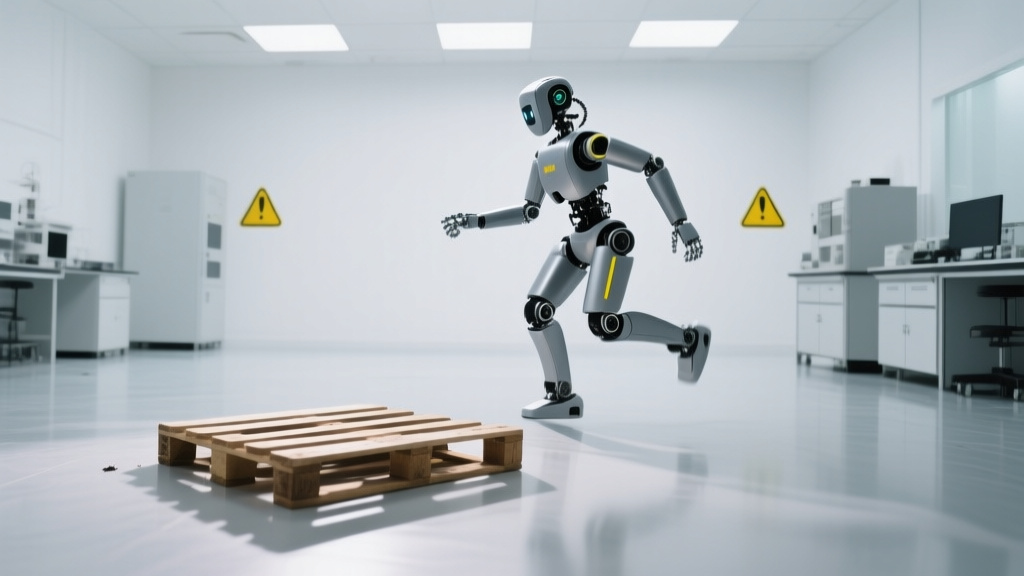
Unitree’s humanoid data is useful only if it survives reality📷 Published: Mar 29, 2026 at 22:05 UTC
- ★Real robots, not just simulated data
- ★Simulation alone is not enough
- ★Coverage determines dataset value

Unitree Robotics has released an open-source dataset for humanoid robots, and that matters because the data comes from real machines rather than simulation. For researchers trying to train models on real motion, contacts and sensor signals, that is a meaningful step forward. Unitree and GitHub both underline the same point: open hardware gets more useful when the data layer is genuinely open too.
But open-source data is not the same thing as a deployable product. For the dataset to matter, it needs to cover different lighting conditions, floor surfaces, failure modes, repetition and the inevitable moments when the robot loses balance mid-task. If the data is too clean, it becomes a showcase instead of a foundation for robust control. The best robotics datasets do not just look impressive; they teach models how to fail safely.
That makes the release interesting for developers, but not yet decisive for deployment. The real value will come only if it helps researchers compare approaches on the same physical signals and push humanoid control beyond carefully staged demo clips.

The dataset is useful only if it survives the mess📷 Published: Mar 29, 2026 at 22:05 UTC
The dataset is useful only if it survives the mess
Interoperability is the next question. If every manufacturer publishes its own format, the data may still be useful, but it stays trapped inside one ecosystem. Open source matters most when other teams can use it without hours of conversion and cleaning. Open Robotics is a useful reminder that common formats usually matter more than flashy demos.
Maintenance is the third issue. A dataset ages quickly if it does not keep up with new sensors, actuators and control methods. That means the release will only remain useful if Unitree and the community continue to expand and refresh it instead of treating it like a one-time marketing moment.
The broader signal is bigger than one video or one dataset. Humanoid robotics is moving away from polished demo loops and toward shared data, common formats and reproducible results—the unglamorous ingredients that usually determine whether a category becomes real.