MIT’s wall-seeing AI is clever, but deployment is the real exam
MIT’s wall-seeing AI is clever, but deployment is the real exam📷 Published: Mar 29, 2026 at 21:32 UTC
- ★Radar and generative AI work together
- ★Tests point to a new perception layer
- ★Field conditions remain the open question

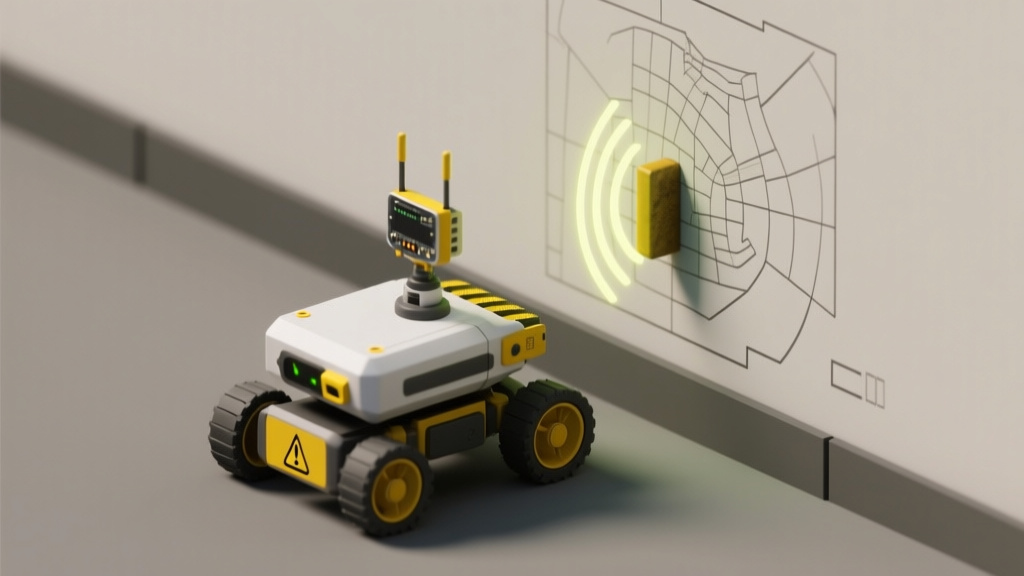
MIT researchers are tackling one of robotics’ oldest problems: how can a robot identify and manipulate objects it cannot see directly? Their answer combines radar signals with generative AI to reconstruct scenes hidden behind obstacles. TechXplore, MIT CSAIL and IEEE Spectrum all point in the same direction: robotics is moving beyond camera-first perception.
On controlled tests, the system can identify and retrieve items behind boxes or walls. That matters because many robotic tasks happen in environments where cameras are useless or too easily blocked. But once you leave the lab, the picture changes fast: power budgets tighten, calibration gets touchy, and the signal quality depends on everything from wall material to clutter in the room. A robot that “sees” through walls is only useful if it still gets the right answer when the scene is noisy, reflective or partly occluded by people.
That is why this is better understood as a perception tool than a finished robot. The concept is useful in warehouses, inspection work and search-and-rescue scenarios, but each of those use cases raises its own requirements for range, false positives and operator trust.
The hardware limit nobody mentions in the demo📷 Published: Mar 29, 2026 at 21:32 UTC
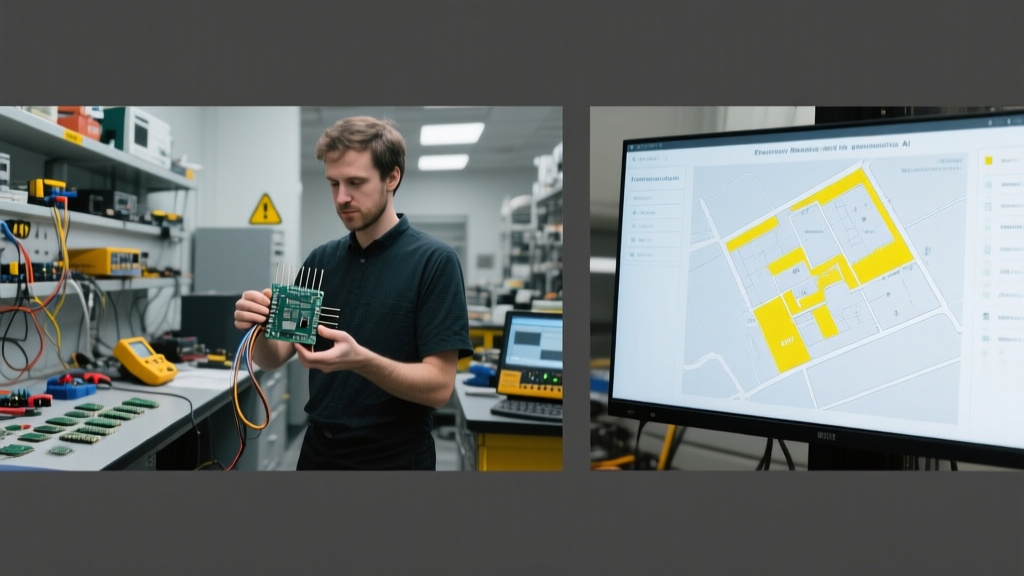
The hardware limit nobody mentions in the demo
Privacy is the other half of the story. A system that can reconstruct what is behind a wall may be valuable in rescue work, but it also carries obvious surveillance risks in public or semi-public spaces. That means deployment will need policy, auditing and clear constraints around what is being sensed and why. NIST becomes relevant the moment the lab demo turns into operational sensing.
Scale is another constraint. A single tabletop setup is not the same as a system that has to track dozens of moving objects in a noisy facility. If the model needs constant retraining or heavy operator oversight, then the operational burden quickly becomes as important as accuracy. In robotics, the maintenance bill often arrives before the applause has faded.
In practice, MIT has shown an interesting direction for robotic perception, not a ready-made deployment stack. The work is strongest where cameras fail and where hidden objects matter, but the road to real use is still defined by safety, privacy and reliability.