DJI's Security Flaw Shows How Fragile Consumer Robotics Still Is
DJI-jev sigurnosni propust otkriva koliko je IoT još krhak📷 Published: Mar 20, 2026 at 12:00 UTC
- ★A gamepad exposed thousands of devices
- ★The cloud layer failed basic isolation
- ★Bug bounties are not a security strategy

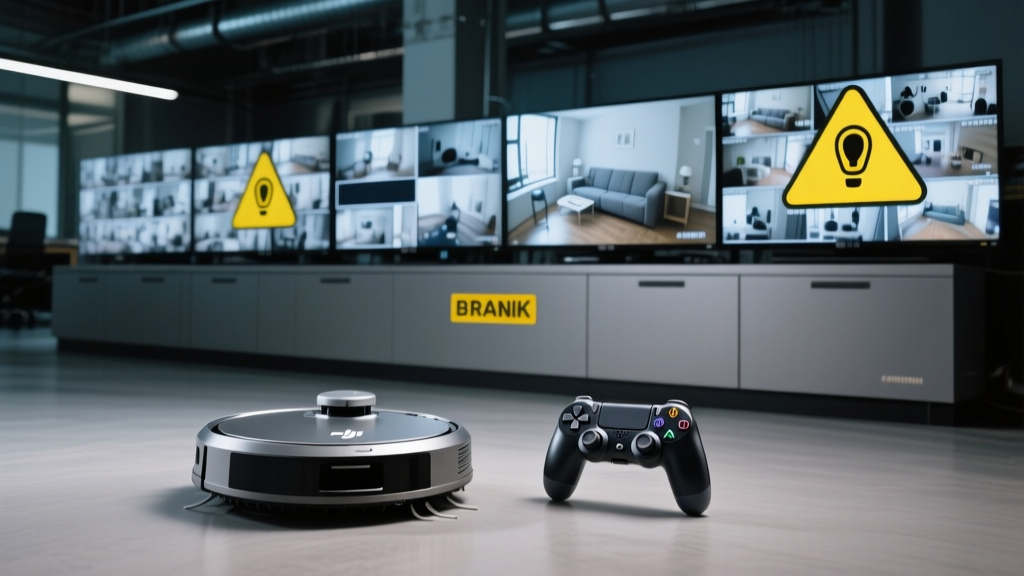
A man trying to steer his own DJI robot vacuum with a PlayStation gamepad accidentally found a flaw that exposed roughly 7,000 devices. That kind of bug does more than embarrass a vendor. It shows how quickly consumer robotics turns from convenience feature into distributed infrastructure problem once products rely on cloud routing, shared APIs, and weak device isolation. DJI has said it will pay a $30,000 bug bounty, but the real lesson is that a modest payout is not the same thing as a mature security model.
The important detail is not the controller. It is the architecture. If a local input experiment can reach other users' robots, then the boundary between "my device" and "someone else's camera feed" was never strong enough. That is a classic deployment gap in connected hardware: the demo works, the app looks polished, and the security assumptions stay invisible until somebody tests the edges. In this case, the edge was a home robot with sensors, network access, and enough trust in the cloud to become a privacy risk.
Consumer robotics is especially exposed to this kind of failure because it mixes physical hardware with software habits borrowed from web platforms. Products ship quickly, features expand, and the security review often trails behind. The Verge's report and broader coverage of consumer robotics security concerns point to the same issue: once the device is inside a home, the stakes are no longer theoretical. If camera feeds and device access are poorly segmented, a bug bounty is just the invoice for a problem that should have been prevented.
The $30,000 Question Behind 7,000 Exposed Robots📷 Published: Mar 20, 2026 at 12:00 UTC
When a hobby experiment becomes a security incident
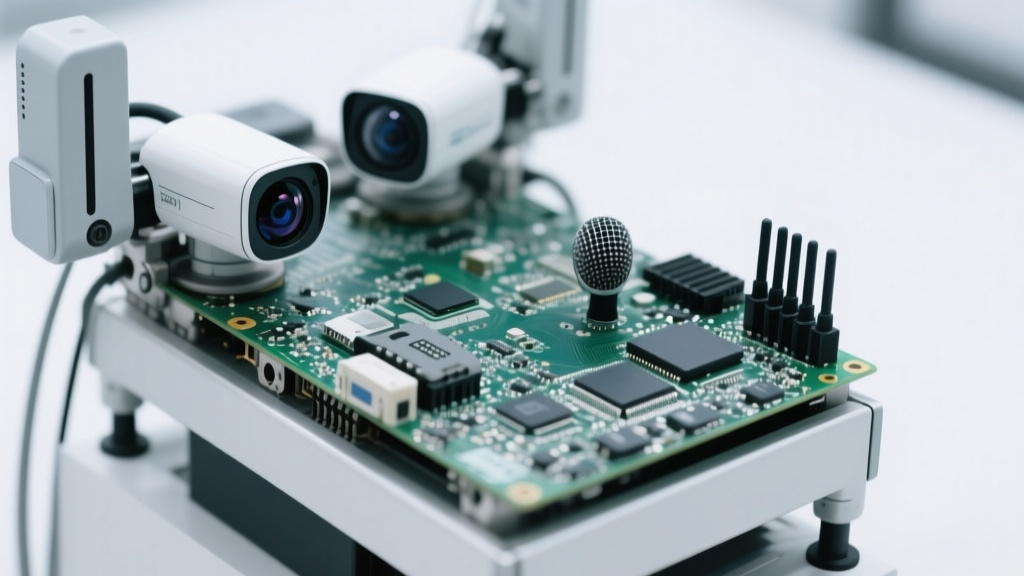
The broader robotics question is whether companies are designing for scale or merely surviving it. A robot vacuum with cameras and wireless connectivity is not just a gadget; it is a node in a household network, a data collector, and potentially a surveillance surface. That means the relevant benchmark is not whether the app responds quickly, but whether the system can keep one user's data isolated from everyone else's under stress, error, or deliberate probing.
That is why the bounty amount matters less than the pattern. A $30,000 payout is cheap compared with the reputational and legal cost of exposing thousands of private camera feeds. It also suggests that the vulnerability was found before a malicious actor exploited it, which is good news and bad news at the same time. Good, because the damage was not worse. Bad, because the attack surface clearly existed long enough for a hobbyist to stumble into it by accident.
If consumer robotics is going to keep moving into homes, apartments, and shared spaces, security has to be treated as a core hardware feature, not a support ticket. The lesson here is not that robotics is unsafe by nature. It is that robotics inherits all the usual software risks and then adds cameras, microphones, and physical presence. In other words, the next wave of convenience devices will only be trustworthy if the invisible plumbing behind them is boring, defensive, and harder to break than the marketing copy suggests.