Social ties vs. pollution: How your environment ages your brain
Social ties vs. pollution: How your environment ages your brain📷 Source: Web
- ★34-country study links social exposures to faster cognitive decline
- ★Physical pollutants accelerate structural brain aging, data suggests
- ★Exposome research remains observational—no direct patient guidance yet
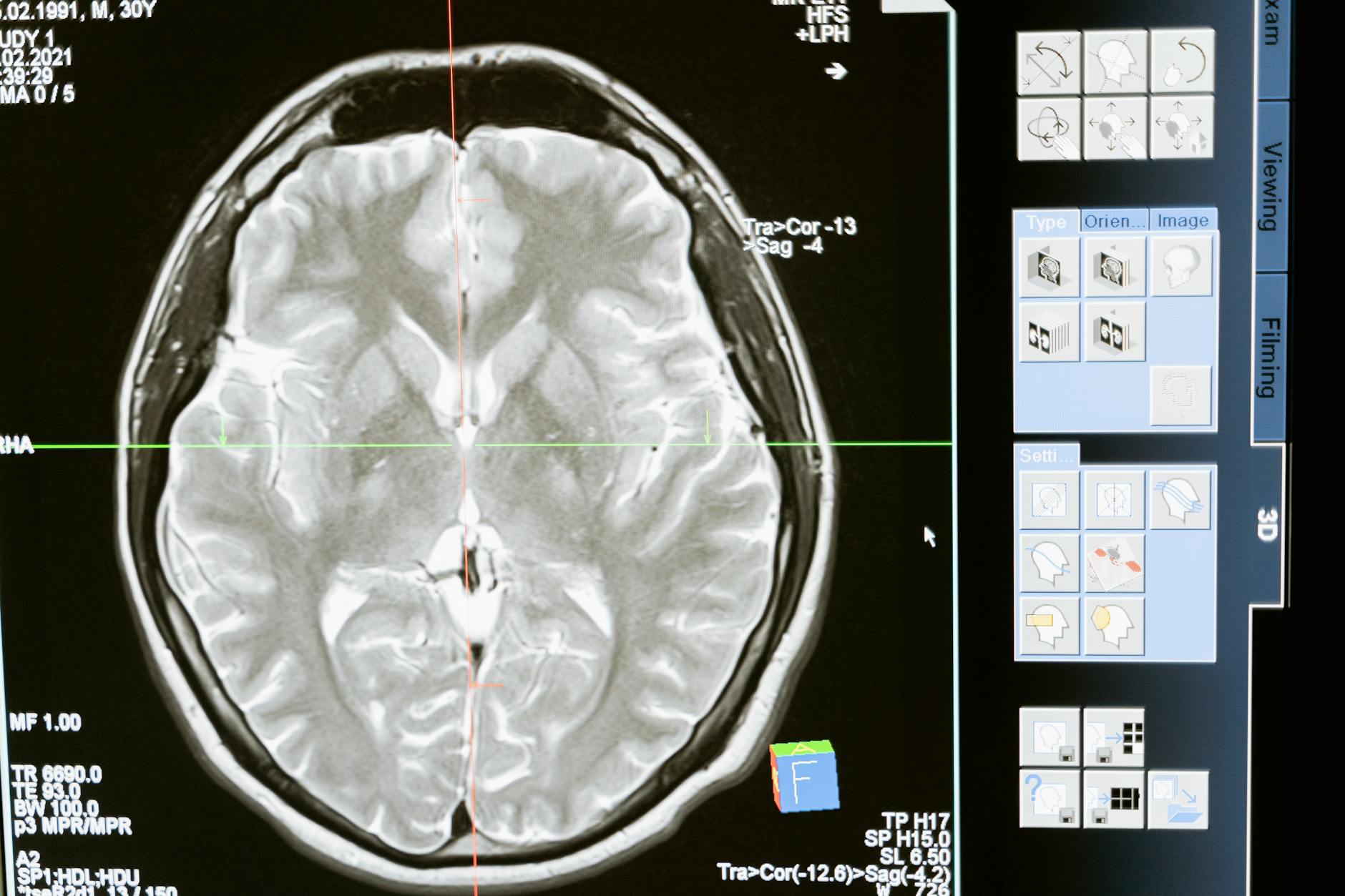
A landmark analysis in Nature Medicine has mapped how environmental exposures shape brain aging across 34 countries, drawing a sharp line between social and physical factors. The study, published April 3, 2026, found that social exposures—such as isolation or relationship quality—correlated with faster functional decline, while physical exposures (e.g., air quality, chemical pollutants) aligned with structural brain changes. This distinction matters: functional aging affects cognition and daily tasks, while structural aging alters the brain’s physical integrity over time.
The research leans on exposome data, a still-evolving framework that catalogs lifetime environmental influences. According to available information, the team likely synthesized longitudinal cohorts, though the exact datasets and participant demographics remain undisclosed. What’s clear is the scale: 34 countries suggest broad applicability, but also introduce variables like healthcare access and cultural differences that the study may not fully address.
Critically, this remains observational evidence. No causal mechanisms were proven, and the specific exposures driving effects—whether loneliness, PM2.5 levels, or occupational hazards—aren’t named. For clinicians, that’s a familiar limitation: correlation without intervention pathways.

The largest exposome study to date reveals two distinct aging pathways—but leaves critical questions unanswered📷 Source: Web
The largest exposome study to date reveals two distinct aging pathways—but leaves critical questions unanswered
The findings echo prior work on social determinants of cognitive health, but the exposome lens adds granularity. If confirmed, the dual-pathway model could refine how neurologists assess risk—though today, it offers no actionable diagnostics or treatments. The WHO’s 2023 guidelines on dementia prevention already emphasize social engagement and pollution control, but this study doesn’t validate specific thresholds or interventions.
What’s missing? The 34-country sample’s composition—urban vs. rural, income strata, or baseline health—could dramatically shift interpretations. And while the exposome concept is powerful, its real-world utility hinges on standardized measurement tools, which experts note are still in development. For now, the signal is directional: environment matters, but how much, and for whom, remains unresolved.
The study’s release coincides with growing policy debates over air quality regulations and social prescribing programs. Yet without replication or mechanistic studies, its role in those discussions is speculative. The real bottleneck may not be the data’s breadth, but its depth.