Smart Underwear Study Suggests Higher Daily Gas Counts
Smart Underwear Study Suggests Higher Daily Gas Counts📷 Published: Mar 16, 2026 at 12:00 UTC
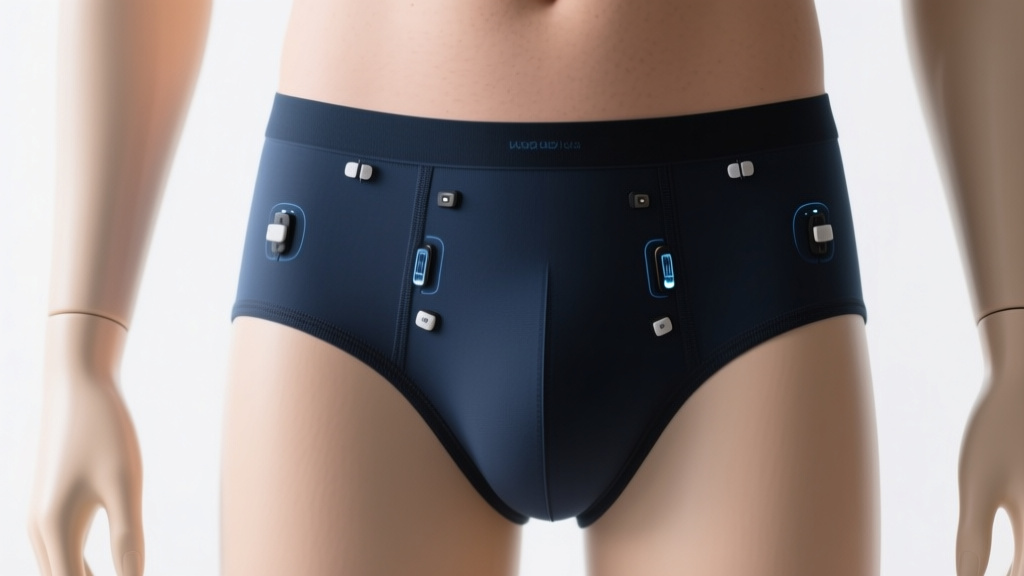
A new wearable device designed to measure flatulence has produced an unexpected preliminary finding: humans may pass gas significantly more often than previously believed. Researchers developed "smart underwear" equipped with sensors capable of detecting hydrogen produced by gut microbes, offering a non-invasive method to track gastrointestinal activity in real-world settings. Early data from this technology suggests an average frequency of 32 episodes per day, a figure that substantially exceeds historical medical estimates. While the headline number grabs attention, the true significance lies in the methodology's potential to transform how we understand gut health outside the laboratory. For decades, data on human flatulence relied on self-reporting or short-term clinical observations, both of which are prone to significant error. This wearable approach attempts to capture continuous, objective data, bridging the gap between controlled studies and daily life.
What the evidence actually shows about gut microbial tracking📷 Published: Mar 16, 2026 at 12:00 UTC
What the evidence actually shows about gut microbial tracking
However, interpreting these findings requires strict adherence to evidence grading. This remains an early-stage observational study, and the sample size limits the ability to generalize results to the global population immediately. The device functions as a research tool rather than a diagnostic product, with no current regulatory approval for clinical use. The upcoming "Human Flatus Atlas" aims to map normal patterns of gas production, but until larger, peer-reviewed trials are completed, the figure of 32 times daily should be viewed as a promising signal rather than a definitive medical fact. For patients today, this technology does not change clinical guidelines or suggest new treatments for gastrointestinal distress. It represents a step forward in data collection precision, yet the clinical relevance remains confined to the research sphere. The distinction between a novel measurement technique and a proven therapeutic insight is critical here.