U.S. AI chip whiplash: Who’s left holding the bag?
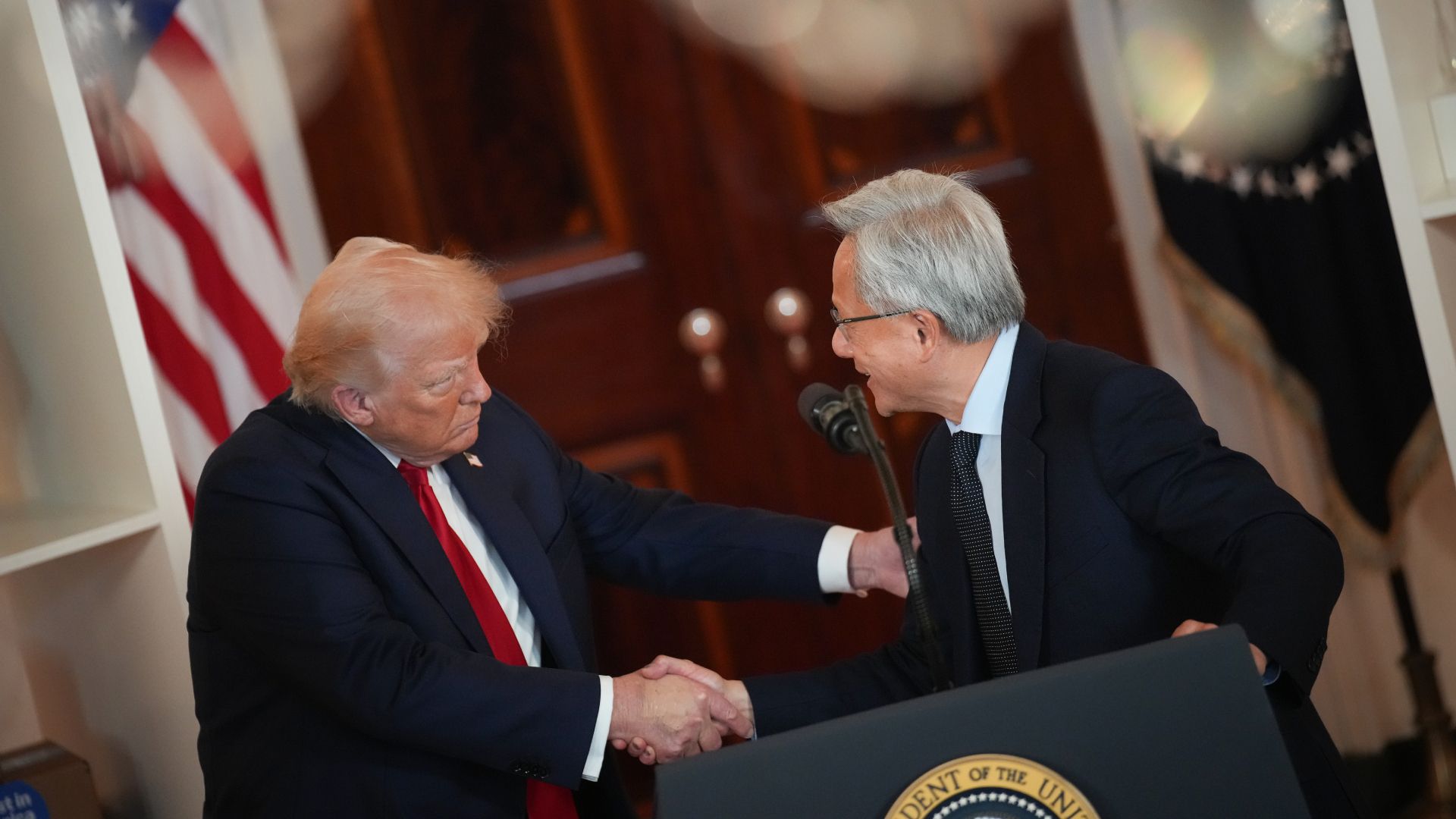
U.S. AI chip whiplash: Who’s left holding the bag?📷 Source: Web
- ★Trump-era export rules resurface with new twists
- ★AI accelerator bans squeeze global supply chains
- ★China’s workarounds outpace Washington’s patchwork
The U.S. government’s approach to AI accelerator exports has started to resemble a bad software update: frequent, disruptive, and light on release notes. This week’s adjustments—tightening controls on Nvidia’s H100 and A100 chips while carving out exceptions for some U.S. allies—mark the third major revision since 2022. The stated goal remains blocking China’s military AI progress, but the collateral damage now spans from Dutch lithography machines to Taiwanese foundries scrambling to reinterpret ‘U.S. person’ clauses in real time.
McGuire’s interview with Tom’s Hardware cuts through the noise: these aren’t just technical tweaks, but political signaling with a silicon wrapper. The Trump administration’s 2020 rules targeted raw compute; Biden’s 2022 version added performance thresholds (4,800 TOPS for data center chips). Now, the focus shifts to interconnect bandwidth—a metric that, conveniently, only Nvidia and AMD currently hit at scale. Hype filter: This isn’t about all AI chips, just the ones China can’t easily replicate yet.
The real-world impact? TSMC’s advanced packaging lines are reportedly running ‘China-free’ shifts to avoid contamination risks, while European research labs complain about six-month delays for unclassified workloads. Even the exceptions for allies like Japan and South Korea come with audit strings attached—because nothing says trust like mandatory compliance paperwork.
U.S. AI chip whiplash: Who’s left holding the bag?📷 Source: Web
The export control pendulum swings again—leaving allies and adversaries alike recalibrating
Here’s where the reality gap yawns: Washington assumes export controls create a moat, but China’s already building bridges. The Huawei Ascend 910B—banned from U.S. supply chains—now powers 30% of Alibaba Cloud’s inference workloads, per leaked procurement docs. Meanwhile, open-source frameworks like OneFlow are quietly optimizing for older Nvidia GPUs (A800, L40) that slip under the TOPS threshold. Developer signal: GitHub issues for ‘export-compliant’ model training spiked 200% last quarter.
The competitive math is brutal. U.S. firms (Nvidia, AMD, Cerebras) gain short-term pricing power but lose long-term market share as customers hedge with domestic alternatives. Chinese startups, ironically, benefit from predictability—Beijing’s ‘Little Giant’ subsidies for chip design are now tied to export control resilience, not just performance. And for all the talk of allied coordination, the EU’s Chips Act funding still flows to projects using any 7nm+ node—no TOPS limits attached.
The biggest loser? Mid-tier players. U.S. cloud providers (Oracle, IBM) face audit costs to prove their overseas data centers aren’t accidentally running banned workloads, while Taiwanese OSATs like ASE see margins shrink as customers demand ‘compliance premiums’ on packaging services. Even the Linux Foundation’s AI/ML group is drafting ‘export-aware’ licensing clauses—a first for open source.