Anthropic’s DMCA blitz backfires on legit GitHub forks
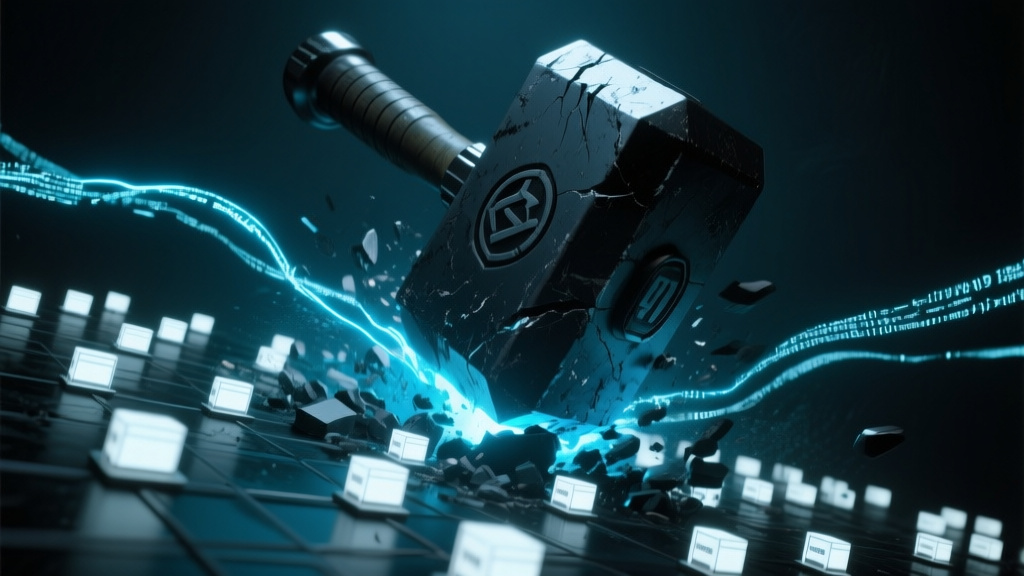
Anthropic’s DMCA blitz backfires on legit GitHub forks📷 Source: Web
- ★Claude Code client leak triggers aggressive takedowns
- ★Legitimate forks caught in Anthropic’s crossfire
- ★GitHub’s role in policing AI code leaks tested
Anthropic’s attempt to staunch the leak of its Claude Code client via DMCA takedowns has hit an unintended target: legitimate GitHub forks. The company confirmed the overreach after developers flagged disrupted projects unrelated to the original leak. It’s a textbook case of enforcement whack-a-mole—where the hammer lands harder on bystanders than the actual spread.
The leak itself, involving client-side code for Anthropic’s developer tools, isn’t a full model escape but still exposes internal plumbing competitors might exploit. GitHub’s automated compliance system, designed to process takedowns at scale, lacks the nuance to distinguish between pirated repos and unrelated forks sharing tangential code. Early signals suggest the cleanup effort is ‘an uphill battle’, a polite way of saying ‘impossible to fully contain.’
This isn’t just a PR misstep. It’s a stress test for how AI labs police leaks in an era where open-source ecosystems and proprietary code increasingly collide. The real question isn’t whether Anthropic can scrub the leak—it’s whether the collateral damage will push developers toward less cooperative platforms.

Collateral damage in the AI code wars📷 Source: Web
Collateral damage in the AI code wars
The incident highlights a growing tension: AI companies rely on GitHub for developer engagement but treat it as a hostile territory when leaks occur. For Anthropic, the Claude Code client is a strategic asset—part of its push to compete with GitHub Copilot and other AI-assisted coding tools. Losing control of even client-side components risks eroding trust with enterprise partners who demand airtight IP protection.
Developers, meanwhile, are watching closely. While some sympathize with Anthropic’s IP concerns, others note the takedowns disrupt unrelated work—including security audits and educational forks. The GitHub community’s reaction leans toward frustration: ‘If you can’t secure your code, don’t blame the platform,’ as one maintainer put it. The episode also underscores how DMCA tools, built for media piracy, falter when applied to code with complex dependency trees.
For all the noise about ‘responsible AI,’ this is a reminder that enforcement often looks like a sledgehammer. The real signal here isn’t the leak—it’s the industry’s inability to balance secrecy with the realities of modern collaboration.