Borbeni dronovi na zelenom vodiku: više dometa, više tereta
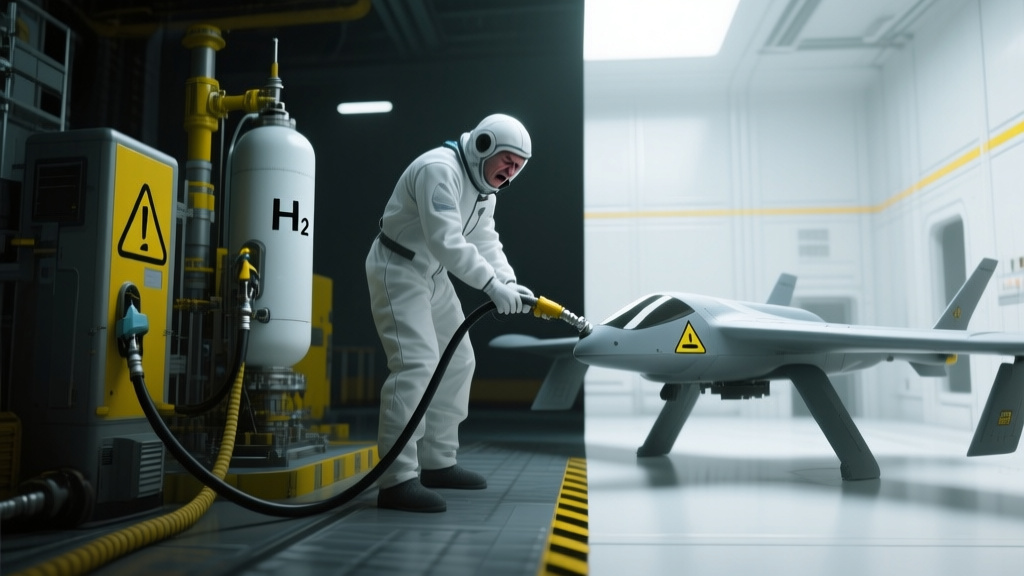
Borbeni dronovi na zelenom vodiku: više dometa, više tereta📷 © Tech&Space
- ★Vodik produžuje let, ali komplicira sustav
- ★Sigurnost i skladištenje su glavni problem
- ★Deployment ovisi o cijeni i logistici

Combat drones that run on green hydrogen sound like a clean answer to a very old military problem: flight endurance. Fuel cells can stretch mission time, reduce visible exhaust, and open up longer surveillance windows without the recharge pauses that batteries impose. But the tradeoff is not subtle. Every extra minute in the air comes with extra hardware, extra procedures, and extra ways for the system to slow itself down.
That is why the interesting part of this story is not chemistry alone. It is the logistics chain behind the chemistry. Hydrogen has to be stored, moved, and refueled safely in conditions that are rarely forgiving, especially if the platform is supposed to operate near the edge of a battlefield. CleanTechnica captures the basic shift, but the harder questions sit with the U.S. Department of Energy and NREL because they define the infrastructure gap.
The military upside is obvious on paper: more range, quieter power delivery, and less dependence on charging pauses. The real-world downside is just as obvious once the drone has to be supported by field equipment, trained operators, and a safe refueling routine. The Defense Innovation Unit may help prototype the transition, but a prototype is not a fleet.
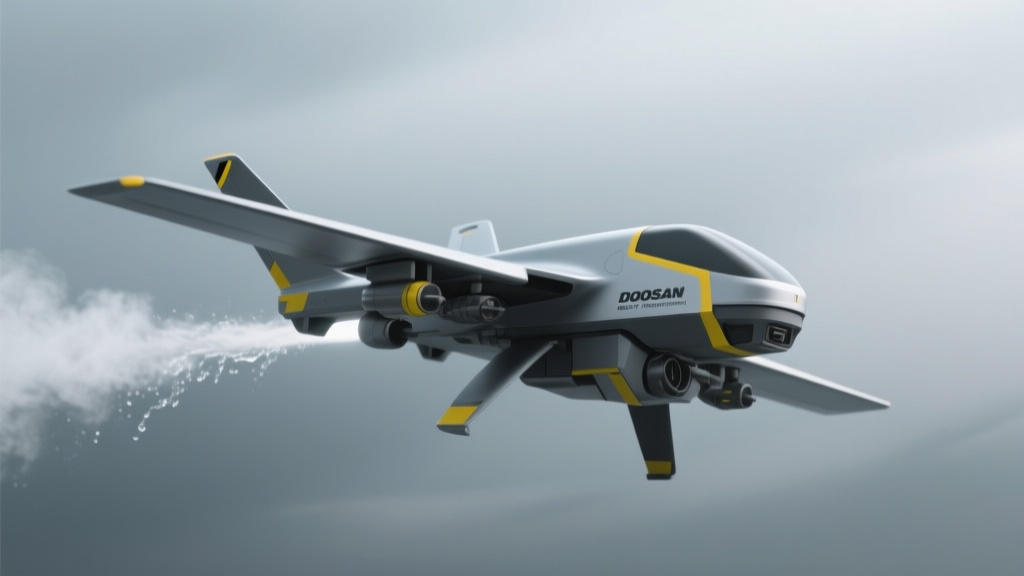
Domet se kupuje složenijim sustavom📷 © Tech&Space
Domet se kupuje složenijim sustavom
In practice, hydrogen drones will be judged on the dull stuff that videos skip. How much extra weight does the tank add? How quickly can the unit be refueled under pressure? Can the system survive transport, vibration, and rough handling without turning into a maintenance headache?
Those questions matter because military platforms are scored across several dimensions at once. Endurance is useful only if it does not destroy payload, readiness, or safety. If green hydrogen improves one metric while making three others worse, the gain disappears fast.
So the sensible conclusion is not that hydrogen drones are hype, and not that they are ready. They are a plausible engineering direction with a visible infrastructure bill attached. Until that bill is paid, the real advantage remains theoretical, and the demo is still only half the story.
Domet se kupuje složenijim sustavom📷 © Tech&Space
Domet se kupuje složenijim sustavom
U praksi, najveće ograničenje nije samo proizvodnja zelenog vodika nego cijeli lanac oko njega: skladištenje pod tlakom, sigurna distribucija i održavanje na terenu. To je posebno osjetljivo u obrambenom okruženju, gdje sustav mora raditi brzo, tiho i bez dodatne logističke kolone.
Još jedan problem je što se borbeni dronovi ocjenjuju prema više kriterija od samog doleta. Nosivost, otpornost na smetnje, potpis topline i brzina pripreme za novu misiju jednako su važni kao trajanje leta. Ako vodik poboljša jednu metriku, a pogorša tri druge, prednost nestaje vrlo brzo.
Zato je pravi test jednostavan: može li ovaj pristup preživjeti prelazak iz pilot-projekta u rutinsku uporabu? Dok se to ne pokaže, zeleni vodik ostaje zanimljiv smjer, ali ne i gotova vojna prednost. Za svu buku oko “čišće” energije, stvarni kriterij je i dalje isti: koliko se sustav može osloniti na sebe kad izađe iz hangara.