German PV systems last longer than expected
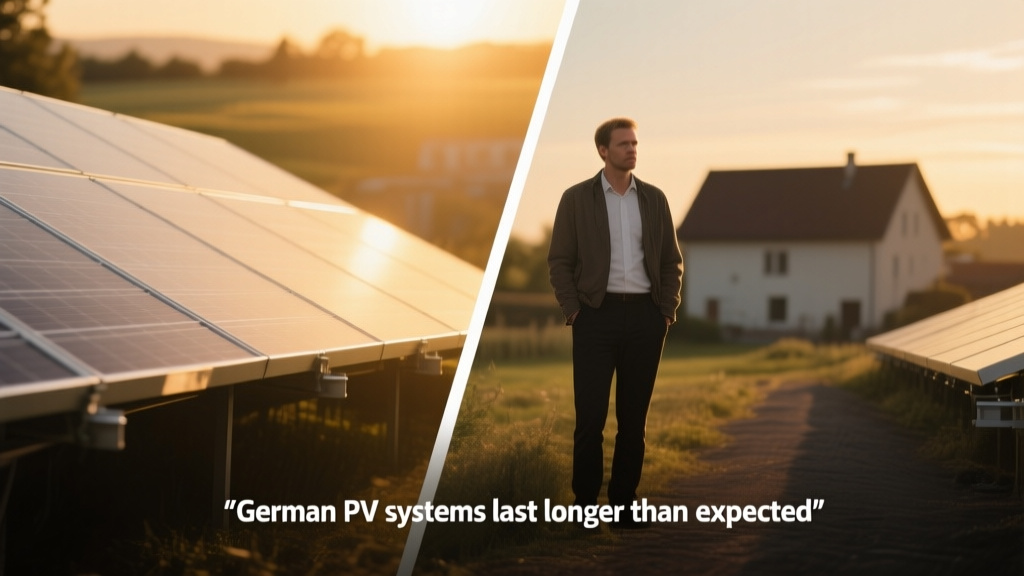
German PV systems last longer than expected📷 Published: Apr 19, 2026 at 04:11 UTC
- ★PV degradation rate cut in half
- ★Smaller systems last longer
- ★Environmental stress factors identified
German photovoltaic systems are defying industry forecasts with annual degradation rates of 0.52–0.61%, according to a landmark 16-year study covering over 1 million installations PV Magazine. The findings slash prior estimates roughly in half, signaling a quiet but substantial leap in reliability for solar power in Europe’s largest market.
Environmental stressors emerge as the primary culprits behind performance loss: heat, frost cycles, and air pollution chip away at output year after year. Yet smaller installations—typically residential arrays under 30 kW—show measurably slower degradation than utility-scale farms, bucking the assumption that bigger is inherently better. The data suggests modular designs and easier maintenance drive longer lifespans.
While optimal siting and regular cleaning can mitigate some losses, the study confirms that even mid-sized commercial systems in urban areas suffer more than rural counterparts. Industry players now face a reckoning: can legacy forecasting models keep up with real-world performance data?
A 16-year dataset reveals which systems survive—and which don't.📷 Published: Apr 19, 2026 at 04:11 UTC
A 16-year dataset reveals which systems survive—and which don't.
The implications ripple beyond Germany’s borders. Early adopters of solar leasing models may see contracts rewritten as degradation assumptions are revised downward, potentially lowering risk premiums and financing costs. Germany’s solar industry, already a bellwether for European renewables, could set new benchmarks for system longevity globally.
Still, the gap between laboratory specs and field performance persists. Lab tests often rely on ideal conditions, while real rooftops endure birds, shade, and voltage fluctuations. Communities reacting to the findings emphasize that while the data is promising, not all panels or inverters age equally. Players note that system design—including string inverters versus microinverters—may now become a deciding factor in long-term ROI calculations.
What remains unclear is how quickly certification bodies and insurers will adapt. Current warranties typically guarantee 80% output after 25 years; if degradation stays this low, the standard may become obsolete before the decade ends.
If smaller systems truly outlast larger ones by a clear margin, will investors rethink the economies of scale driving the solar rush? The data suggests a pivot may already be underway.