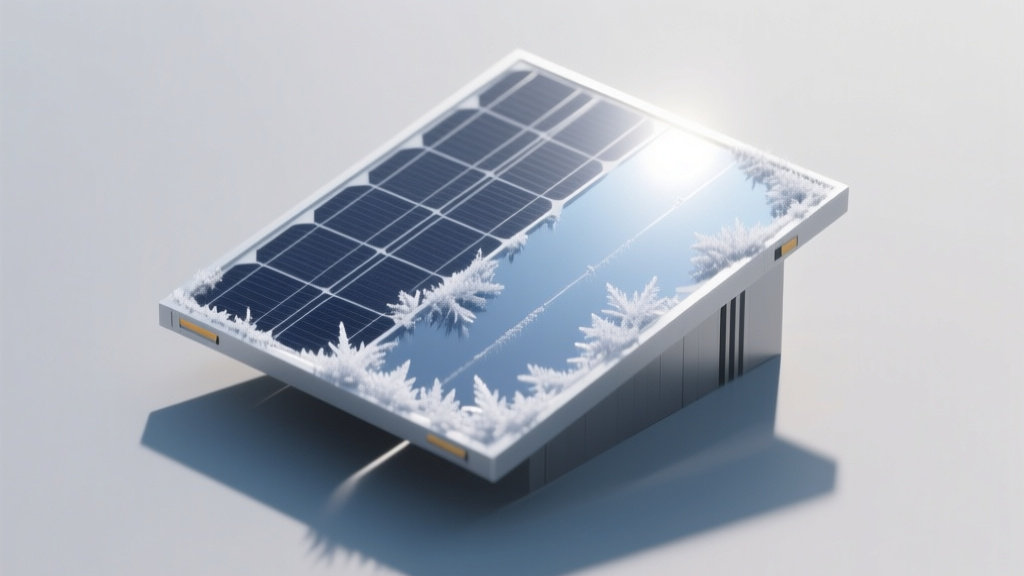
Solar panels shrink while their punch grows📷 Published: Apr 18, 2026 at 14:22 UTC
- ★Silicon modules now deliver 23.6 W/kg
- ★Glass and frames still weigh down panels
- ★Bifacial panels add rear-side glow
A sweeping update from PV Magazine confirms what installers have felt for years: solar panels are getting lighter without losing output. Commercial silicon modules have more than doubled in specific power, climbing from 8.5 W per kilogram in the early 2000s to 23.6 W/kg today. The gains track advances in thinner glass, streamlined frames, and bifacial cells that harvest light on both sides. What’s surprising isn’t that the numbers went up—it’s that engineers had to chase every gram saved in glass and aluminum just to inch closer to the gain.
The same study warns that traditional metrics like rated wattage no longer tell the full story. Nominal operating cell temperature and rear-side illumination now shape real-world performance so sharply that ignoring them risks under-sizing an entire array. In other words, a 400 W panel labeled the same as its 2008 twin won’t necessarily run cooler or deliver the same output in a desert array.
Still, the community is responding: bifacial deployments more than tripled between 2016 and 2023, driven by projects chasing the extra irradiation on the rear side. Early adopters report 8–12 % energy uplift in high-albedo sites, though racking and inverter costs can offset the gain unless systems are engineered from day one for bifaciality.
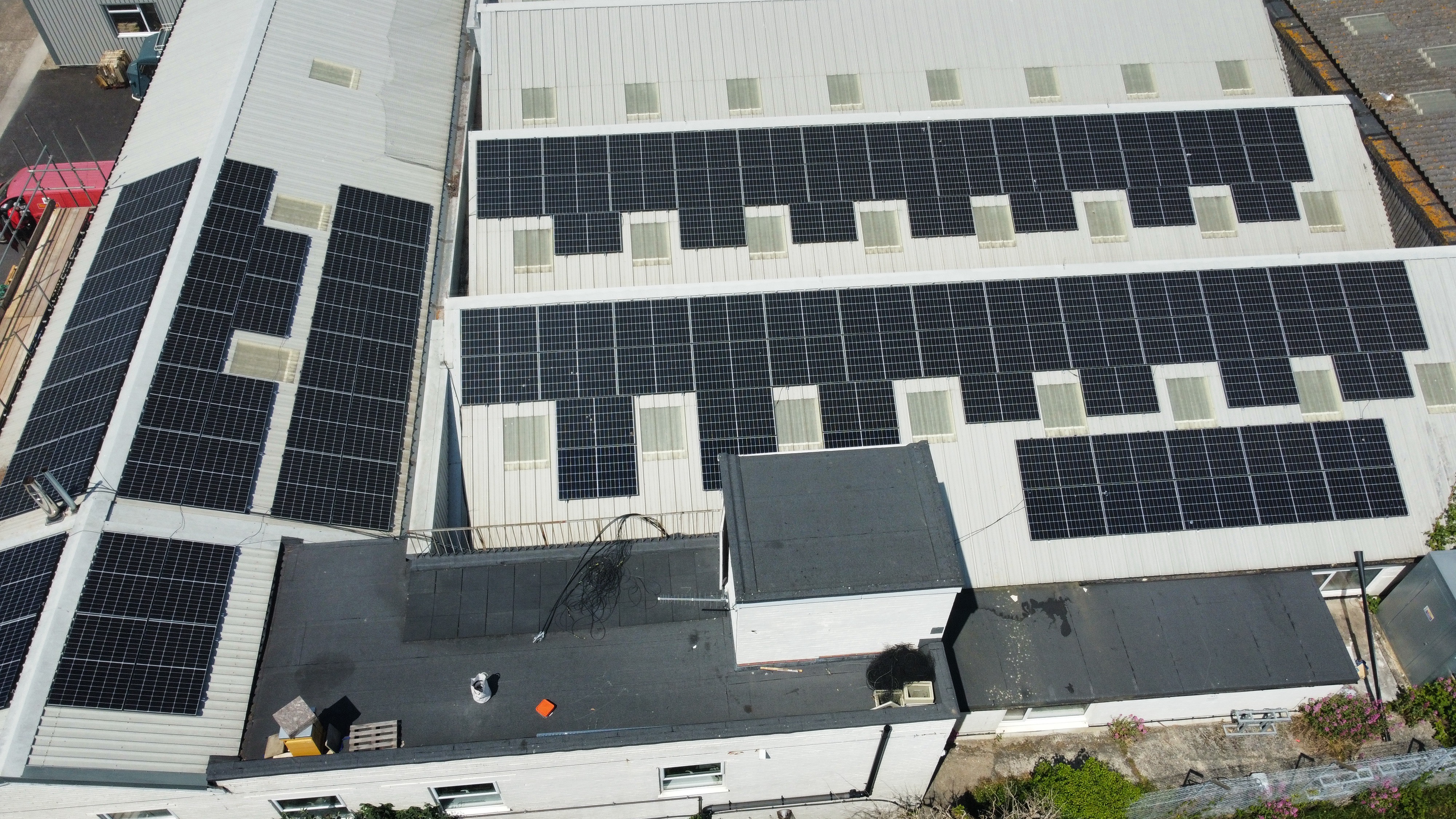
Precision engineering exposes where the weight hides📷 Published: Apr 18, 2026 at 14:22 UTC
Precision engineering exposes where the weight hides
Where the weight hides also explains why progress feels uneven. Glass and aluminum can eat 80 % of a module’s mass, leaving thinner cells, copper ribbons, and encapsulants with limited room to shed pounds. Temperature swings make matters worse: a module’s operating temperature can swing 30 °C between morning and peak sun, altering efficiency enough to erase a portion of the cell-level gains. That pressure is pushing suppliers to adopt lower-iron glass and thermally conductive backsheets that shave heat so the cells can perform closer to lab conditions.
For installers, the shift means lighter rails and less crane time on rooftops. For utilities, it translates to lower shipping and racking costs per megawatt installed. Yet the real signal is subtler: the days of treating a panel’s nameplate rating as gospel are ending. Engineers now simulate rear-side irradiance, local albedo, and thermal profiles before finalizing string sizing—a level of granularity that once lived only in research papers.
What’s less clear is whether the broader industry will standardize rear-side performance metrics as rigorously as front-side ratings. Until then, buyers must parse datasheets like load-bearing architects—read the fine print or risk overpromising on paper.