ESP32-S31: RISC-V’s quiet power play in a crowded market
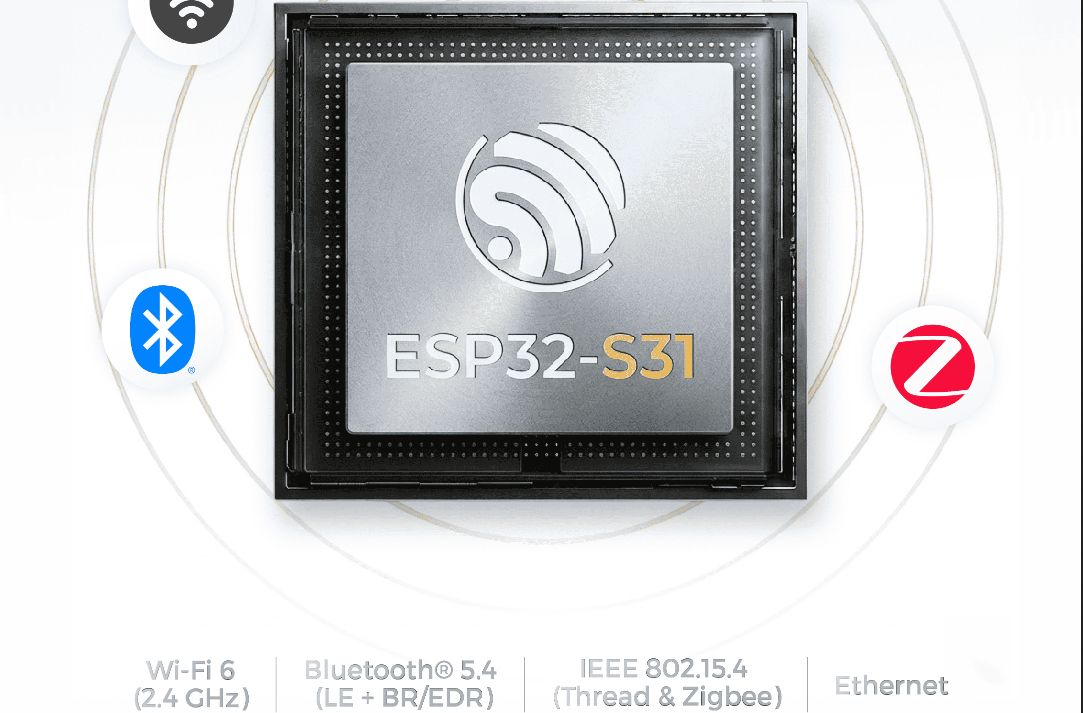
ESP32-S31: RISC-V’s quiet power play in a crowded market📷 Published: Apr 16, 2026 at 24:17 UTC
- ★Dual-core RISC-V with WiFi 6 and GBit Ethernet
- ★Espressif’s naming chaos risks developer fatigue
- ★High-speed networking meets low-power microcontrollers
Espressif’s latest microcontroller, the ESP32-S31, arrives with a spec sheet that reads like a wishlist for embedded engineers: dual-core RISC-V, WiFi 6, and Gigabit Ethernet—all in a single package. On paper, it’s a rare combination of high-speed networking and low-power processing, a pairing that could simplify designs for industrial IoT, edge AI, and even home automation. Yet the company’s decision to slot this into the already confusing ESP32-S series risks muddying the waters for developers who’ve spent years navigating Espressif’s naming conventions.
The ESP32-S31 doesn’t just iterate; it leapfrogs. WiFi 6 support alone could cut latency for real-time applications by up to 30% compared to WiFi 5, according to Qualcomm’s benchmarks. Meanwhile, Gigabit Ethernet—rare in microcontrollers—opens doors for bandwidth-heavy use cases like video streaming or local AI inference. But here’s the catch: Espressif hasn’t disclosed power consumption figures, leaving engineers to guess whether this chip can deliver on its promises without draining batteries or requiring active cooling.
For all its technical prowess, the ESP32-S31’s biggest hurdle might be its own branding. The ESP32-S series was already a maze of variants, and adding another model with overlapping features could frustrate developers trying to pick the right chip for their project. Hackaday’s coverage highlights the community’s mixed reactions, with some praising the specs while others groan at the naming chaos.
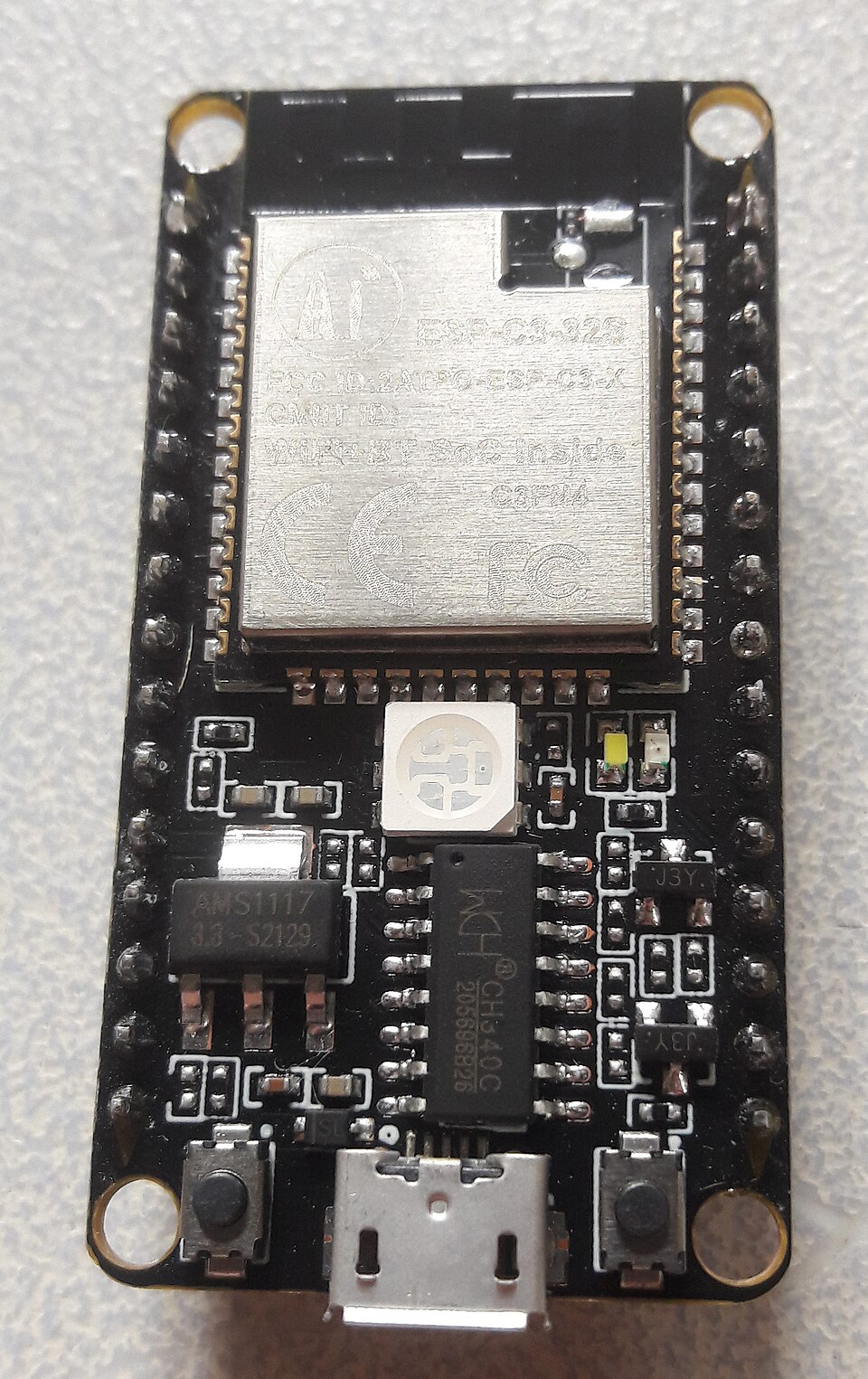
The real-world gap between spec sheets and developer adoption📷 Published: Apr 16, 2026 at 24:17 UTC
The real-world gap between spec sheets and developer adoption
The real test for the ESP32-S31 isn’t whether it can outperform its predecessors—it almost certainly will—but whether it can carve out a clear niche. Competitors like Raspberry Pi’s RP2350 and STMicroelectronics’ STM32H7 already offer high-performance microcontrollers with Ethernet, but few combine it with WiFi 6 in a single chip. This could give Espressif an edge in applications where wireless and wired connectivity are both critical, like smart factory gateways or medical devices.
Yet, the lack of transparency around power efficiency and pricing is a red flag. Developers need to know whether the ESP32-S31 can run on battery power for months or if it’s better suited for always-on, plugged-in devices. Espressif’s documentation remains sparse on these details, forcing engineers to wait for third-party benchmarks or risk early adoption.
The bigger picture here is about ecosystem lock-in. Espressif’s chips are popular because they’re affordable and well-supported, but the company’s rapid-fire releases risk overwhelming its own community. If the ESP32-S31 is to succeed, it needs to do more than just outperform—it needs to simplify the decision-making process for developers, not complicate it further.
For developers, the ESP32-S31’s arrival means weighing the allure of WiFi 6 and Gigabit Ethernet against the uncertainty of power draw and pricing. Early adopters will likely test it in niche applications, but mainstream adoption hinges on Espressif’s willingness to provide concrete data—not just flashy specs.