Sodium batteries: A fireproof fix or just another spec sheet?
Sodium batteries: A fireproof fix or just another spec sheet?📷 Published: Apr 9, 2026 at 04:51 UTC
- ★Internal heat barrier blocks thermal runaway in sodium-ion cells
- ★Cost and supply chain edge over lithium—but with tradeoffs
- ★EVs may finally shed their ‘fire risk’ reputation
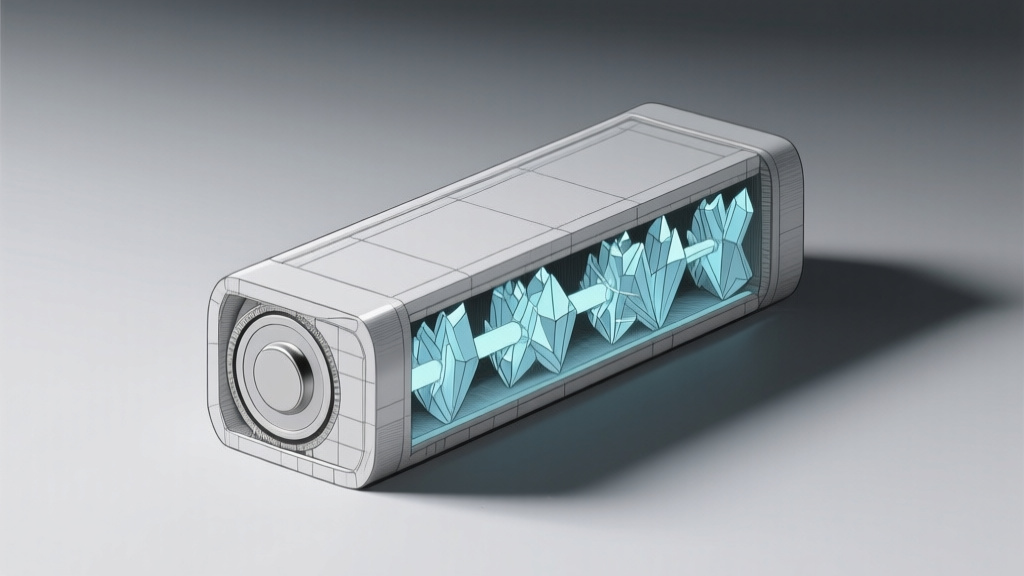
For years, EV skeptics have clung to one undeniable advantage of gas cars: they don’t spontaneously combust. Now, a sodium-ion battery design from China might finally flip that script. The team’s solution isn’t another external fireproofing layer—it’s an internal ceramic barrier that forms inside the battery when temperatures hit 80°C, physically blocking the thermal runaway chain reaction that turns lithium-ion failures into headline-grabbing fires.
The practical upside is immediate. Sodium-ion batteries already cost 30–50% less than lithium-ion equivalents, thanks to abundant raw materials (no cobalt, no nickel supply chain dramas). If this design proves scalable, automakers could kill two birds with one stone: cheaper packs and a marketing bullet point that neutralizes the ‘EV fire risk’ FUD. Early lab tests show the barrier holds even under puncture and overcharge abuse—two common real-world failure modes.
But here’s the catch: sodium-ion’s energy density still lags lithium by 20–30%, meaning shorter range or heavier packs. The ‘fireproof’ label also assumes perfect manufacturing—something the industry hasn’t mastered with lithium after decades. As CATL’s sodium-ion chief noted last year, ‘Lab stability ≠ fleet reliability.’
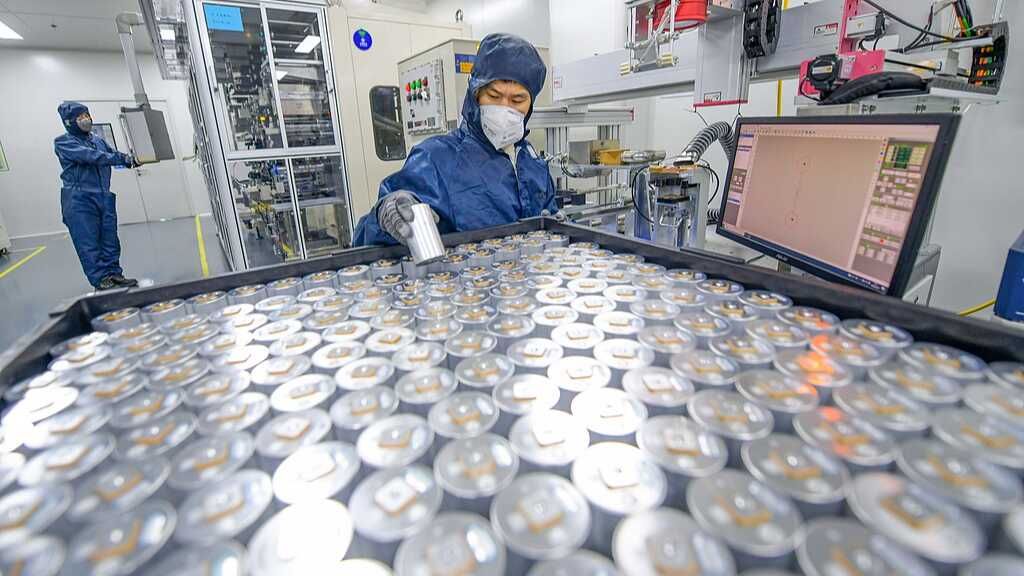
The real-world gap between lab breakthroughs and road-ready safety📷 Published: Apr 9, 2026 at 04:51 UTC
The real-world gap between lab breakthroughs and road-ready safety
The market context makes this more than a niche lab curiosity. China already dominates sodium-ion production, with CATL and BYD shipping commercial cells to budget EV brands like Changan’s Shenlan and JAC’s Yiwei. If this fireproof design scales, it could accelerate sodium’s shift from ‘cheap alternative’ to ‘default choice’ for sub-$30k EVs—especially in price-sensitive markets like Southeast Asia and Latin America.
For drivers, the tradeoff is straightforward: accept 10–15% less range for a battery that’s theoretically safer and cheaper to replace. The bigger question is whether automakers will pass those savings on or pocket them as margin. Regulators might force the issue—EU and US agencies have flagged lithium fire risks in high-density packs, and sodium’s stability could fast-track approvals for urban delivery fleets and ride-hail operators.
Still, the ‘fireproof’ claim needs real-world validation. Tesla’s Megapack fires and GM’s Bolt recalls proved that lab-tested safety features don’t always survive cost-cutting or corner cases. The ceramic barrier adds complexity—and potential failure points—to a battery chemistry still proving itself outside China.