Memory price shock: AI servers squeeze DRAM and NAND by 75%
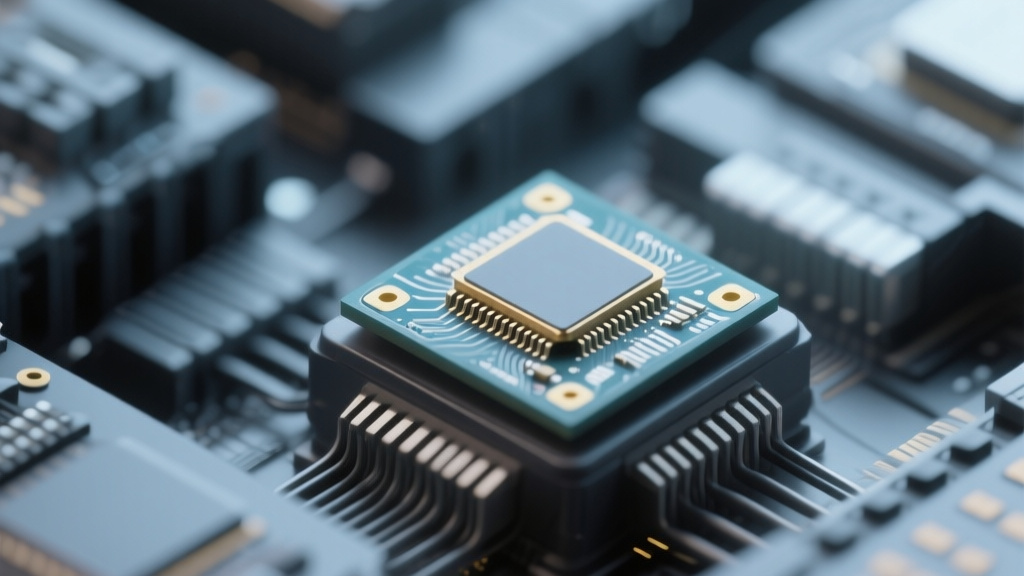
Memory price shock: AI servers squeeze DRAM and NAND by 75%📷 Source: Web
- ★DRAM prices up 63% in Q2 after 95% Q1 surge
- ★NAND Flash jumps 70–75% as AI demand outpaces supply
- ★PC builders and data centers face brutal cost recalibration
Memory just got expensive—again. After a 95% price surge in Q1, TrendForce now predicts conventional DRAM contracts will leap 58–63% in Q2, with NAND Flash contracts soaring 70–75% quarter-over-quarter. The culprit? AI server demand, which is outstripping supply at a pace even aggressive capacity expansions can’t match.
This isn’t just another blip in the cyclical memory market. For PC builders, it means RAM kits that cost $100 last year could hit $200 by mid-2026—assuming retailers pass along only half the contract price hike. Data centers, already grappling with GPU shortages, now face a double squeeze: higher memory costs and longer lead times for server-grade DRAM.
The ecosystem effects ripple fast. Cloud providers like AWS and Azure, which lock in memory contracts years in advance, might absorb some pain—but expect higher instance pricing for memory-intensive workloads. Smaller players? They’ll either pay up or throttle performance.
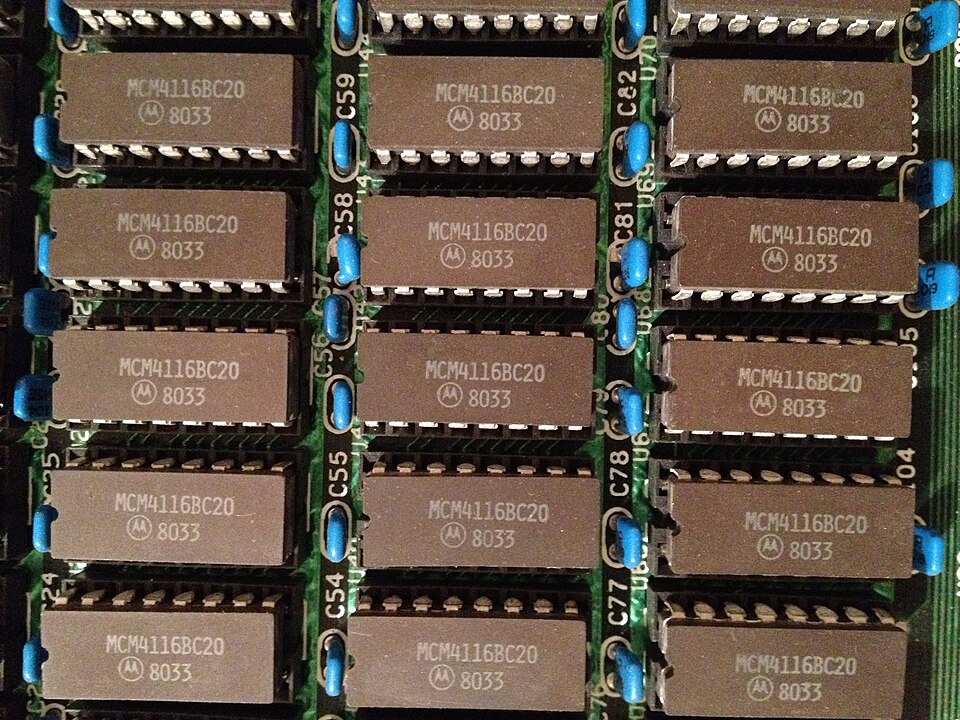
Memory price shock: AI servers squeeze DRAM and NAND by 75%📷 Source: Web
The price of progress isn’t abstract—it’s in your next invoice
For consumers, the sting hits hardest in workstation upgrades and high-end gaming rigs. A 128GB DDR5 kit for content creators could jump from $350 to $600+, making RAM the new GPU in terms of budget-busting potential. Even mainstream 32GB kits may creep toward $200, erasing the cost savings from falling SSD prices earlier this year.
The market context here is brutal: Samsung, SK Hynix, and Micron are ramping production, but AI training clusters—like those from Nvidia’s HGX platforms—consume memory at a scale that dwarfs traditional PC demand. Every 10,000 H100 GPUs deployed requires ~400TB of DRAM, and that’s before accounting for inference workloads. Supply chain sources tell DigiTimes that lead times for server DRAM have stretched to 6–8 months, up from 3–4 in 2023.
The second-order impact? Delayed upgrades, longer hardware lifecycles, and a push toward memory optimization—think CXL-based pooling or aggressive caching. But for most users, the reality is simpler: your next build just got pricier, and the specs won’t change.