Food waste isn’t just spoilage—it’s a software problem now
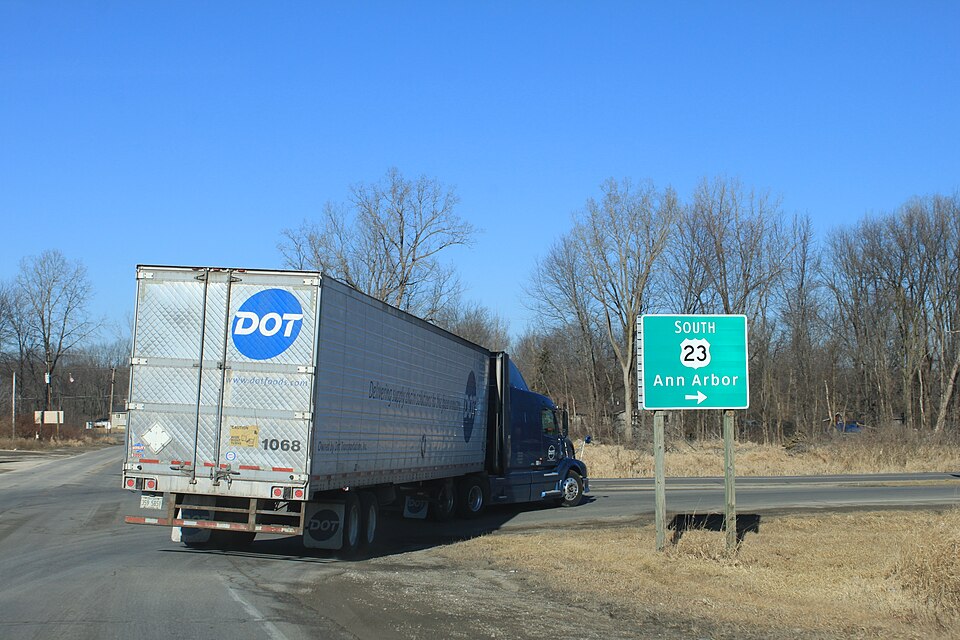
Food waste isn’t just spoilage—it’s a software problem now📷 Source: Web
- ★Automated logistics platforms block usable food during downtime
- ★No backup systems for digital recognition failures
- ★Supply chain tech’s blind spot: physical abundance vs. digital invisibility
Food isn’t just rotting in fields or dumpsters anymore. It’s getting declined by databases.
The culprit isn’t overproduction or poor storage—it’s the quiet tyranny of automated logistics platforms that now gatekeep whether food even enters the supply chain. Research from ScienceDaily Robotics confirms that modern distribution hinges on digital recognition: if a shipment isn’t ‘approved’ by the system (due to downtime, mislabeled data, or AI classification errors), it doesn’t move. Period. Truckers report waiting 12+ hours at docks while IT teams debug ‘unrecognized cargo’ errors—time that turns fresh produce into compost.
This isn’t theoretical. Last year, a Reuters investigation tied a 15% spike in wasted perishables at two major U.S. distributors to ‘system synchronization failures’ between ERP platforms and warehouse robots. The kicker? The food was physically fine. It just lacked the right digital paperwork.
The irony cuts deep: we’ve built a food system so efficient that its biggest vulnerability is now its own efficiency tools.
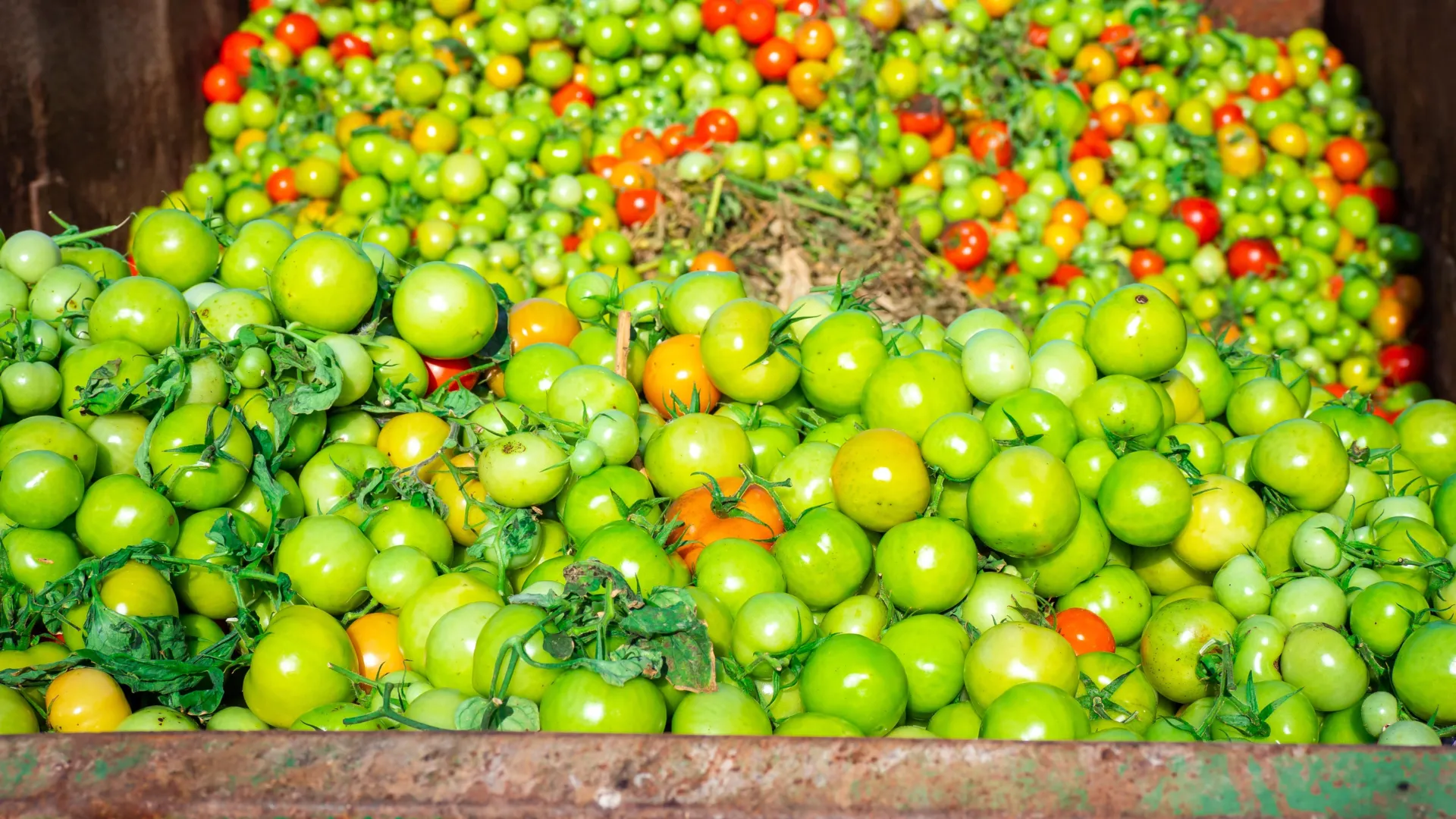
The price of progress when your groceries need an API approval📷 Source: Web
The price of progress when your groceries need an API approval
The market context makes this worse. Competitors like SAP’s Logistics Suite and Oracle’s Fusion Supply Chain pitch AI-driven ‘frictionless’ distribution—but frictionless only works until it doesn’t. When these platforms fail (and outage trackers show they do, often), there’s no analog fallback. No human override. No ‘close enough’ clause for a pallet of strawberries that the system flagged as ‘unverified.’
For growers and haulers, this translates to real money. A California avocado cooperative told AgTech Today they now budget 8% of revenue for ‘digital contingency’—paying expeditors to manually re-enter data when systems reject loads. Smaller players can’t afford that. The result? More consolidation, as only deep-pocketed distributors can absorb the cost of IBM’s Food Trust or Microsoft’s FarmBeats when they hiccup.
The second-order effect is behavioral: farmers now overproduce by 10–20% to account for ‘digital shrinkage,’ according to a Purdue University survey. That’s more water, more labor, more emissions—all to feed a system that might just not recognize the output.