Dell’s 50 TOPS micro PC isn’t just small—it’s a power play
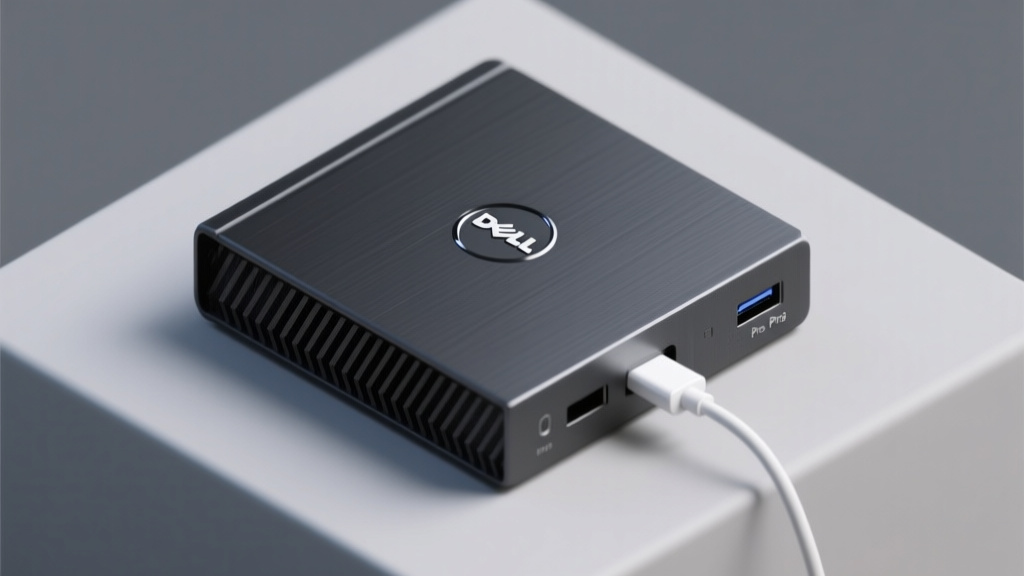
Dell’s 50 TOPS micro PC isn’t just small—it’s a power play📷 Source: Web
- ★50 TOPS AI in a palm-sized USB-C desktop
- ★100W power draw trades towers for tight spaces
- ★DDR5 meets office reality, not just benchmarks
For years, ‘compact desktop’ meant compromising on power, ports, or upgradeability. Dell’s Pro 5 Micro flips that script by cramming 50 TOPS of AI acceleration into a chassis smaller than a paperback—while drawing just 100W through USB-C. That’s not just a spec-sheet flex; it’s a direct challenge to the assumption that serious compute requires a tower (or a noisy fan array).
The magic here isn’t just miniaturization. The Pro 5 Micro pairs DDR5 memory with Intel’s latest U-series chips, tuned for sustained AI workloads without thermal throttling. For offices where every square inch (and decibel) counts, this isn’t incremental—it’s a workflow unlock. Imagine running local LLMs or real-time video upscaling in a closet-sized workspace, with no dedicated GPU or power brick in sight.
Yet the real test isn’t the benchmark—it’s the daily grind. Early adopters report the USB-C power delivery simplifies cable chaos, but some note the single port limits multi-monitor setups without dongles. The tradeoff is deliberate: Dell’s betting most users will prioritize desk space over docking flexibility.
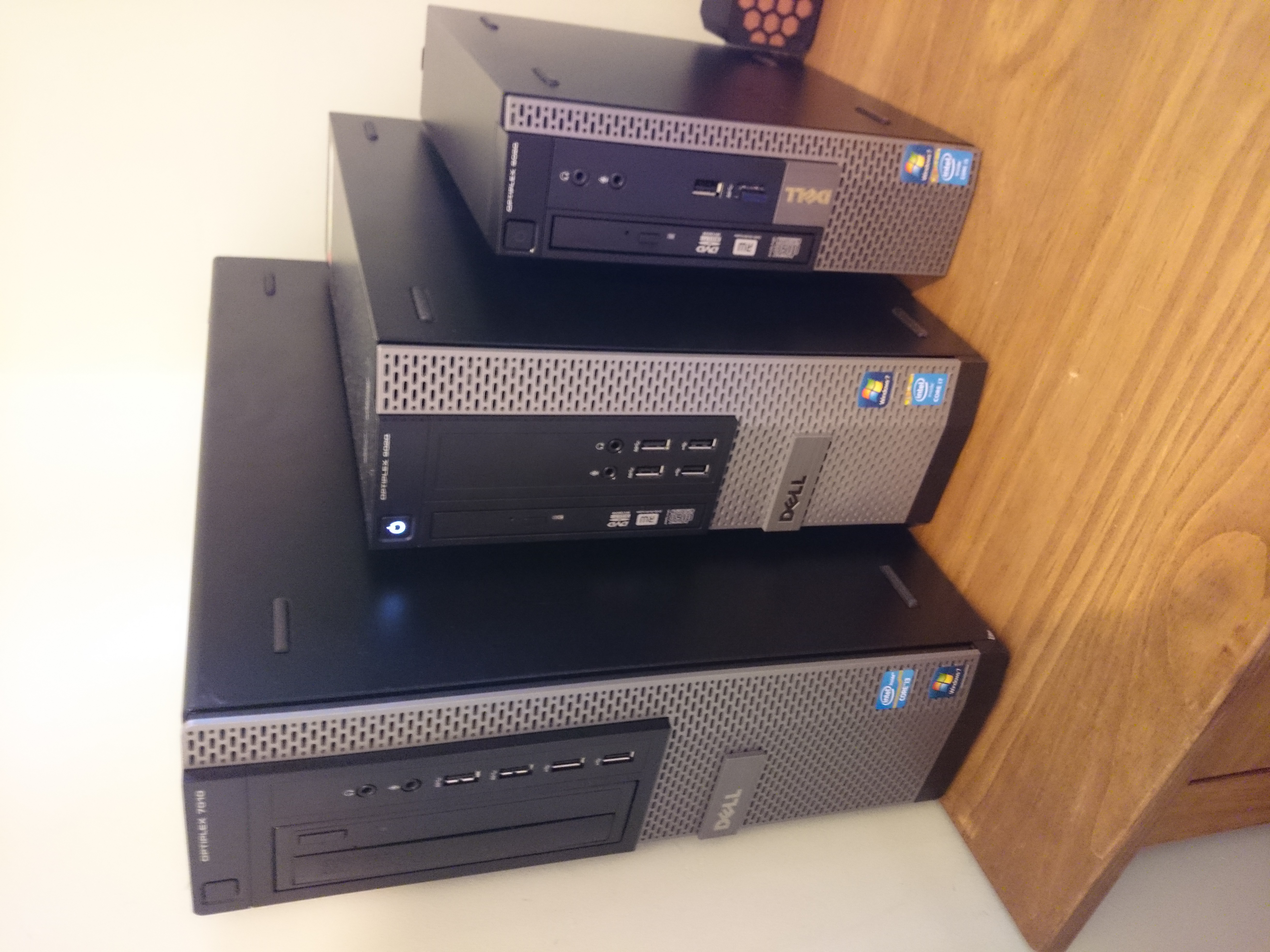
The real-world gap between ‘compact’ and ‘capable’ just narrowed📷 Source: Web
The real-world gap between ‘compact’ and ‘capable’ just narrowed
This isn’t just about Dell. The Pro 5 Micro drops into a market where Lenovo’s ThinkCentre M90q and HP’s Elite Mini 800 already compete on size—but neither pushes AI performance this hard. The message is clear: tiny PCs aren’t just for call centers anymore. They’re for developers prototyping edge AI, or designers running Stable Diffusion locally without a dedicated workstation.
The ecosystem ripple is just starting. If 50 TOPS becomes the baseline for ‘office-friendly’ AI, expect a scramble from chipmakers to optimize for low-power, high-throughput inference. Qualcomm’s Snapdragon X and AMD’s Ryzen AI suddenly have a new benchmark to chase—not just in labs, but in cubicles.
But here’s the catch: the Pro 5 Micro’s $1,200+ starting price puts it squarely in ‘premium tool’ territory. For teams already cloud-reliant, the value prop hinges on whether local AI justifies the cost—or if this is just a very expensive way to avoid a server bill.