Solar panels outperform trees as windbreaks—with 86% less wind damage
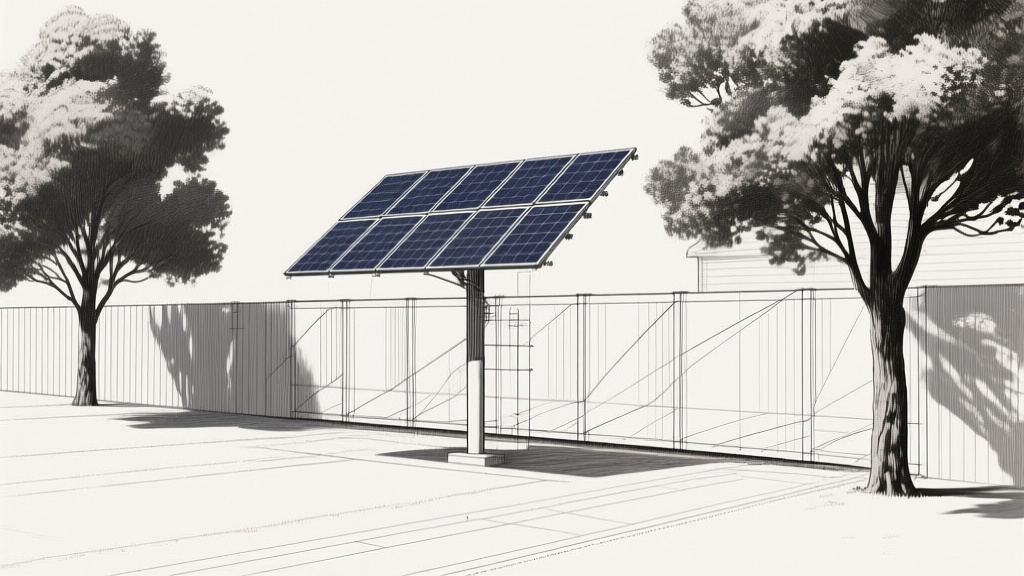
Solar panels outperform trees as windbreaks—with 86% less wind damage📷 Source: Web
- ★Tracking solar panels beat tree windbreaks in crop protection
- ★Lowered-first-row design slashes extreme wind speeds by 86%
- ★Farmers face trade-offs between energy yield and wind shielding
Agrivoltaics just got a windproof upgrade. Researchers at Cornell University demonstrated that tracking solar panels—those that tilt to follow the sun—can double as superior windbreaks, shielding crops more effectively than the single-row tree barriers farmers have relied on for generations. The kicker? Their proposed lowered-first-row panel design reduces wind speeds in protected zones by up to 86% during extreme conditions, according to findings published in PV Magazine.
The numbers underscore a practical shift. Traditional tree windbreaks, while low-tech, require years to mature and occupy arable land. Solar panels, by contrast, offer immediate protection and can be adjusted for optimal airflow—a critical factor for pollination and disease prevention. Early adopters in regions prone to high winds (think the Midwest or coastal Europe) might see this as a two-for-one: energy generation plus crop resilience.
But the trade-offs are real. Lowering the first row of panels to enhance wind deflection could reduce energy yield by casting shadows on adjacent rows. Farmers and solar developers will need to weigh crop protection gains against kilowatt-hour losses—a calculation that hinges on local wind patterns, panel spacing, and the specific crops grown.
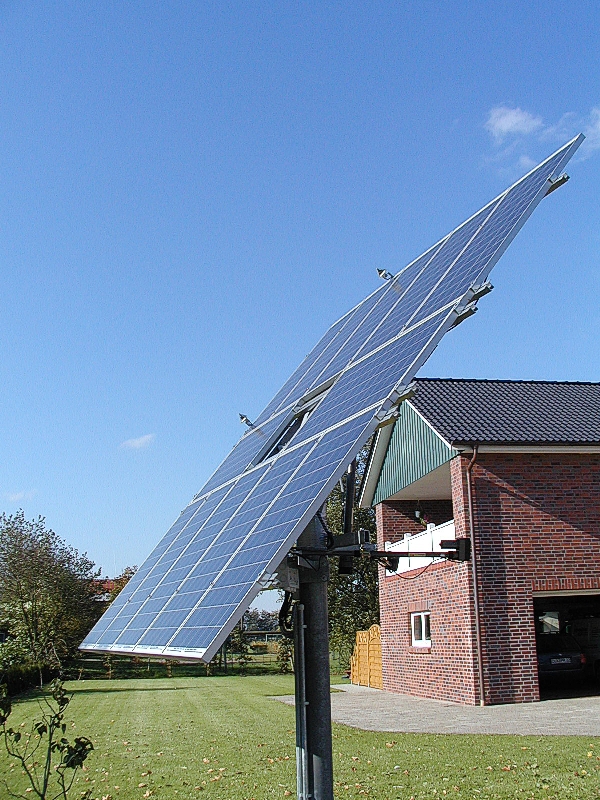
The engineering trick that turns solar farms into storm barriers📷 Source: Web
The engineering trick that turns solar farms into storm barriers
The market context here is telling. Agrivoltaics is already a $3 billion industry, per Wood Mackenzie, but most projects prioritize energy output over agricultural benefits. Cornell’s design flips that script, suggesting wind protection could become a primary selling point—especially as climate change intensifies storm frequency. For solar manufacturers like Nextracker or Array Technologies, this could mean a new product line: wind-optimized trackers with adjustable heights or modular configurations.
Yet the devil’s in the implementation. The 86% wind reduction figure likely assumes ideal conditions—panel height, spacing, and wind direction all aligned. In practice, farmers may need dynamic systems that adapt to seasonal changes, adding complexity and cost. And while the study confirms the design’s efficacy, it’s silent on long-term durability (e.g., panel wear from constant wind exposure) or whether insurers will recognize solar arrays as valid windbreak replacements.
For now, the most immediate beneficiaries are high-value crop growers—vineyards, orchards, or organic farms—where wind damage translates to steep financial losses. Large-scale row crops like corn or wheat, with lower profit margins, may find the math less compelling.