Quip Network: Quantum’s messy, open-source reality check

A split isometric 3D render: on one side, a pristine brushed aluminium quantum processor chamber sealed under glass with precise architectural📷 Photo by Tech&Space
- ★Open-source quantum compute without the corporate gatekeeping
- ★Distributed model clashes with today’s centralized quantum labs
- ★Early adopters face a spec sheet vs. actual usability gap
Quantum computing’s hype cycle has a new contender: Quip Network, an open-source, distributed quantum compute project surfacing on Product Hunt with zero fanfare and maximum ambition. Unlike IBM’s Qiskit or Google’s Cirq—both corporate-backed, polished, and tightly controlled—Quip’s approach is aggressively decentralized. No proprietary hardware requirements, no NDAs, just a GitHub repo and a promise: anyone can contribute to or run quantum workloads across a shared network.
The pitch taps into a growing frustration. Today’s quantum access is either a) expensive cloud time on Rigetti or IonQ, or b) simulated environments that barely scratch the surface of real quantum advantage. Quip’s distributed model, if it scales, could slash costs for researchers and startups—but early signals suggest the bigger challenge isn’t technical. It’s social.
Open-source quantum isn’t new (Qiskit is Apache-licensed), but Quip’s peer-to-peer angle forces a question: Who trusts a quantum result they didn’t pay a lab to verify? The Product Hunt thread buzzes with skepticism—not about the code, but about the lack of institutional backing. One commenter called it ‘quantum’s Napster moment’; another dismissed it as ‘a science fair project with extra steps’
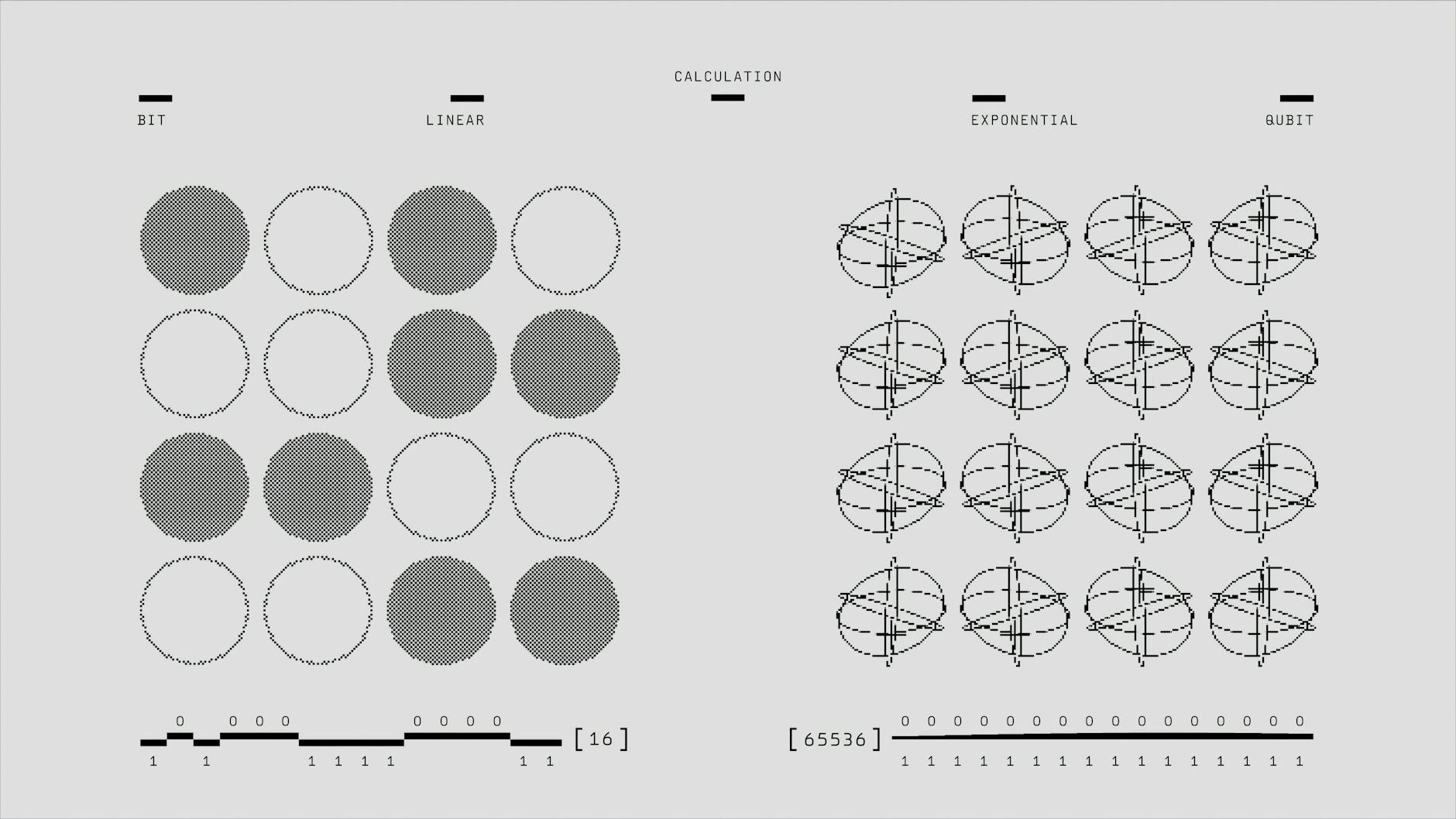
The price of democratizing quantum isn’t just code—it’s trust📷 Photo by Tech&Space
The price of democratizing quantum isn’t just code—it’s trust
The real test isn’t whether Quip’s architecture works—it’s whether users will risk real workloads on it. Distributed quantum computing demands consensus on error rates, calibration, and result validation, problems that centralized players solve with controlled environments. Quip’s whitepaper (still in draft) hints at cryptographic verification, but without hardware partners, it’s vaporware until proven otherwise.
For developers, the appeal is obvious: spin up quantum experiments without begging for cloud credits. For enterprises? The math changes. A startup like Quantinuum charges $0.30 per shot on its trapped-ion systems; Quip’s model could theoretically drop that to near-zero—if the network’s reliability holds. That’s a big if. Early adopters will likely treat it like a sandbox, not a production tool.
The bigger story isn’t the tech—it’s the cultural shift. Quip’s existence implies quantum’s future might look less like a gated lab and more like Linux: messy, collaborative, and occasionally brilliant. But Linux had decades to earn trust. Quantum’s clock is ticking faster, and the first casualty of open-source disruption might be the very labs that built the field.