Exynos 2600’s AI push still can’t dethrone Snapdragon in Galaxy S26

Exynos 2600’s AI push still can’t dethrone Snapdragon in Galaxy S26📷 Source: Web
- ★Exynos 2600 narrows AI and ray tracing gaps
- ★Snapdragon 8 Elite remains Samsung’s default choice
- ★Regional chip splits hint at cost vs. performance tradeoffs
The Galaxy S26’s dual-chip strategy isn’t new, but this year’s Exynos 2600 makes the most compelling case yet for Samsung’s in-house silicon. Early leaks and Android Authority’s testing confirm the Exynos 2600 closes critical gaps in on-device AI processing and ray tracing performance, two areas where past Exynos chips lagged behind Snapdragon. For creators and mobile gamers, this means smoother Unreal Engine 5 rendering and faster generative AI tasks—on paper.
Yet the Snapdragon 8 Elite remains the default in most markets, and for good reason. Qualcomm’s chip still leads in thermal efficiency and 5G modem consistency, two factors that directly impact daily usability. Samsung’s decision to split variants by region—reportedly favoring Exynos in Europe and Asia—suggests a calculated bet: Exynos as the cost-effective alternative where Snapdragon’s dominance isn’t absolute.
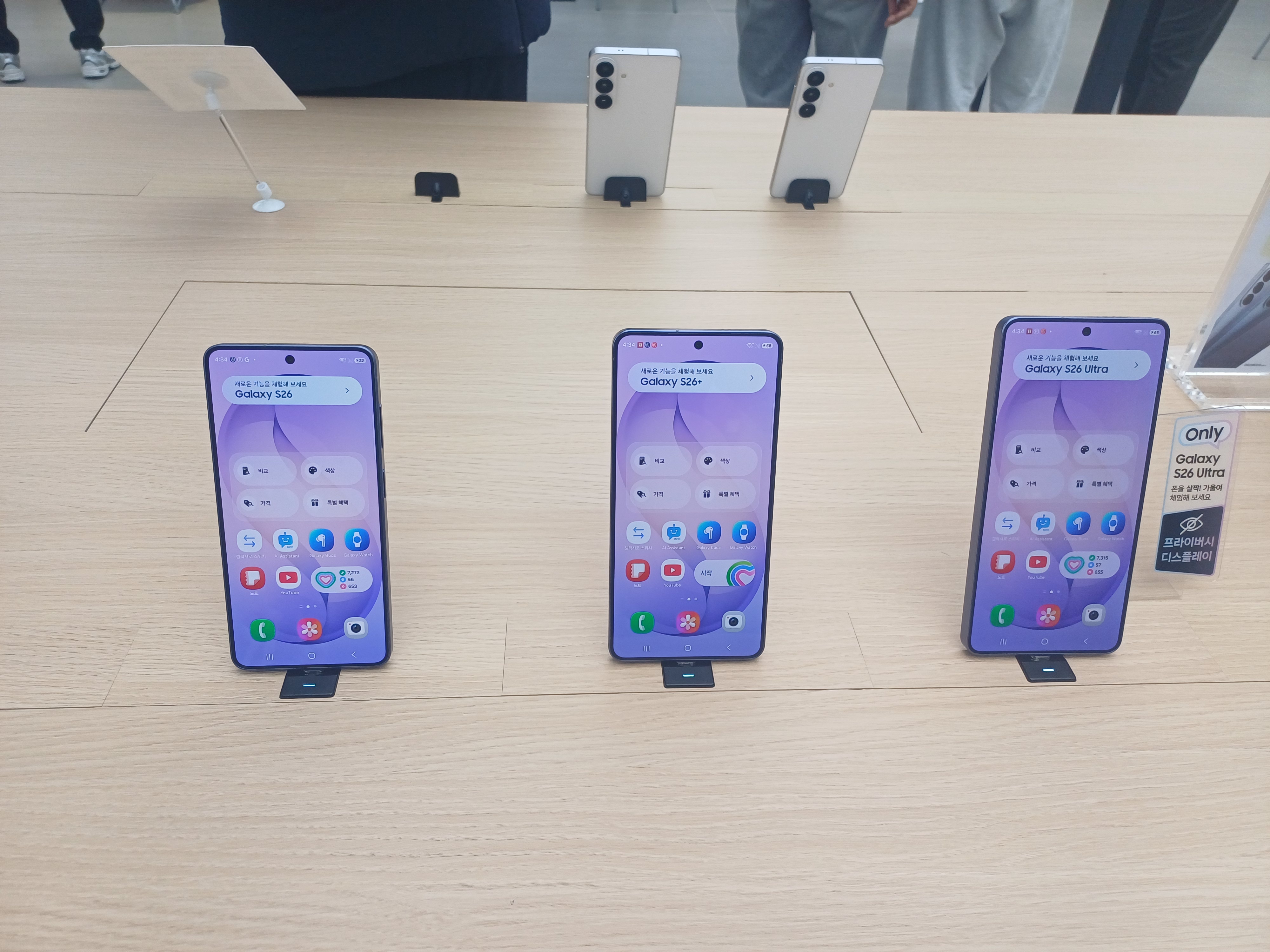
The real-world gap that specs don’t show📷 Source: Web
The real-world gap that specs don’t show
The practical implications for users boil down to tradeoffs. Developers targeting the Galaxy S26 will need to optimize for two distinct NPU architectures, adding complexity to app updates. Meanwhile, consumers in Exynos regions may see slightly better battery life during AI-heavy tasks, but at the risk of inconsistent app compatibility—a longstanding Exynos pain point.
For Samsung, this dual-chip approach is a hedge. The Exynos 2600 proves the company can compete in AI and graphics, but its limited rollout signals hesitation. If Snapdragon’s lead in modem performance and developer support persists, Exynos may remain a regional play—unless Samsung commits to deeper ecosystem integration, like Apple’s A-series chips.
The real signal here isn’t about specs. It’s about Samsung’s willingness to let its own silicon take the spotlight—or keep it as a backup plan.