IBM’s Arm gambit: mainframes learn to flex
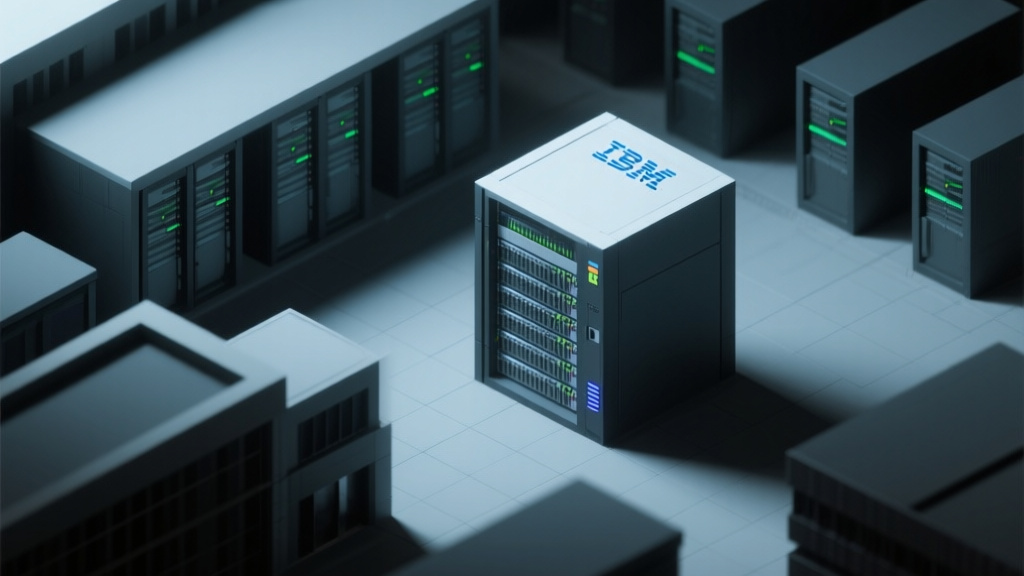
isometric 3D render, architectural precision, top-down overhead bird's-eye view, flat geometric layout, deep moody shadows with single accent📷 Photo by Tech&Space
- ★IBM Z now runs Arm workloads natively
- ★Cloud-native AI and data apps coming to mainframes
- ★Partnership with Arm shifts IBM’s hardware relevance
IBM’s announcement that its Z mainframes will natively support Arm workloads isn’t just another spec sheet upgrade—it’s a deliberate attempt to drag enterprise infrastructure into 2024. The partnership with Arm means that cloud-native AI, Kubernetes clusters, and data-heavy applications can now run on IBM’s iron without the usual x86 translation layer. This isn’t a theoretical advantage; it’s a direct response to enterprise customers who’ve spent years watching hyperscalers eat their lunch with flexible, cost-efficient architectures.
The real shift here isn’t technical—it’s economic. Mainframes have long been the backbone of legacy workloads, but their rigid pricing models and proprietary ecosystems made them increasingly unappealing for modern cloud-native stacks. By opening the door to Arm, IBM isn’t just expanding its addressable market; it’s betting that enterprises will stick with big iron if they can run the same workloads they’d otherwise offload to AWS or Azure. The question isn’t whether Arm support works—it’s whether it’s enough to justify the mainframe premium.
For developers, this means fewer hoops to jump through. No more emulation layers or awkward compatibility modes; Arm-native apps can now deploy directly on IBM Z, just as they would on a standard cloud instance. Early benchmarks suggest performance gains of up to 30% for certain workloads, though real-world results will depend heavily on the specific use case. The bigger win, though, might be psychological: IBM is finally signaling that its mainframes aren’t just for COBOL anymore.

Isometric 3D render, architectural precision, top-down overhead bird's-eye view, flat geometric layout, deep moody shadows with single accent📷 Photo by Tech&Space
The workflow shift behind the headline
The market context makes this move both pragmatic and overdue. IBM’s mainframes have been losing ground to cloud providers for years, not because they’re bad at what they do, but because they’re expensive and inflexible. Arm’s rise in the data center—fueled by AWS Graviton, Microsoft’s Cobalt, and Google’s Axion—has proven that custom silicon can outperform x86 at lower costs. IBM’s partnership with Arm is an acknowledgment that the company can’t afford to ignore this trend anymore. But it’s also a gamble that enterprises will choose to modernize their existing mainframes rather than rip and replace them.
The ecosystem effects here are subtle but significant. IBM isn’t just adding Arm support; it’s signaling to ISVs, cloud providers, and enterprise IT teams that the mainframe is still a viable platform for modern workloads. Red Hat’s OpenShift, for example, will now run natively on IBM Z with Arm support, which could make hybrid cloud deployments marginally less painful. But let’s be clear: this isn’t a silver bullet. Mainframes still carry legacy baggage—licensing complexity, specialized skills gaps, and a reputation for being slow to evolve—that won’t disappear overnight.
The second-order impact is where things get interesting. If this move succeeds, it could slow the migration of enterprise workloads to public cloud. If it fails, it might accelerate the shift. Either way, IBM’s motivation is clear: make the mainframe relevant again, even if it means playing catch-up. For users, the message is simpler: if your org is already invested in IBM Z, this could mean lower costs and easier cloud integration. If you’re not, this probably won’t change your mind.